Cuba: Pressure Grows
· The Donroe doctrine has pressured Mexico into halting oil exports to Cuba, which is intensifying pressure on Cuba’s regime. While chaos and attempted mass immigration is a risk, the baseline is for a negotiated deal as U.S./Cuba discussions deepen – though with the added complexity that Cuban Americans want multi-party elections towards democracy but Trump may settle for less.
Mexico has halted oil exports to Cuba after Trump administration threats, which will intensify pressure in Cuba. What happens next?
Figure 1: Cuba and Its Neighbors
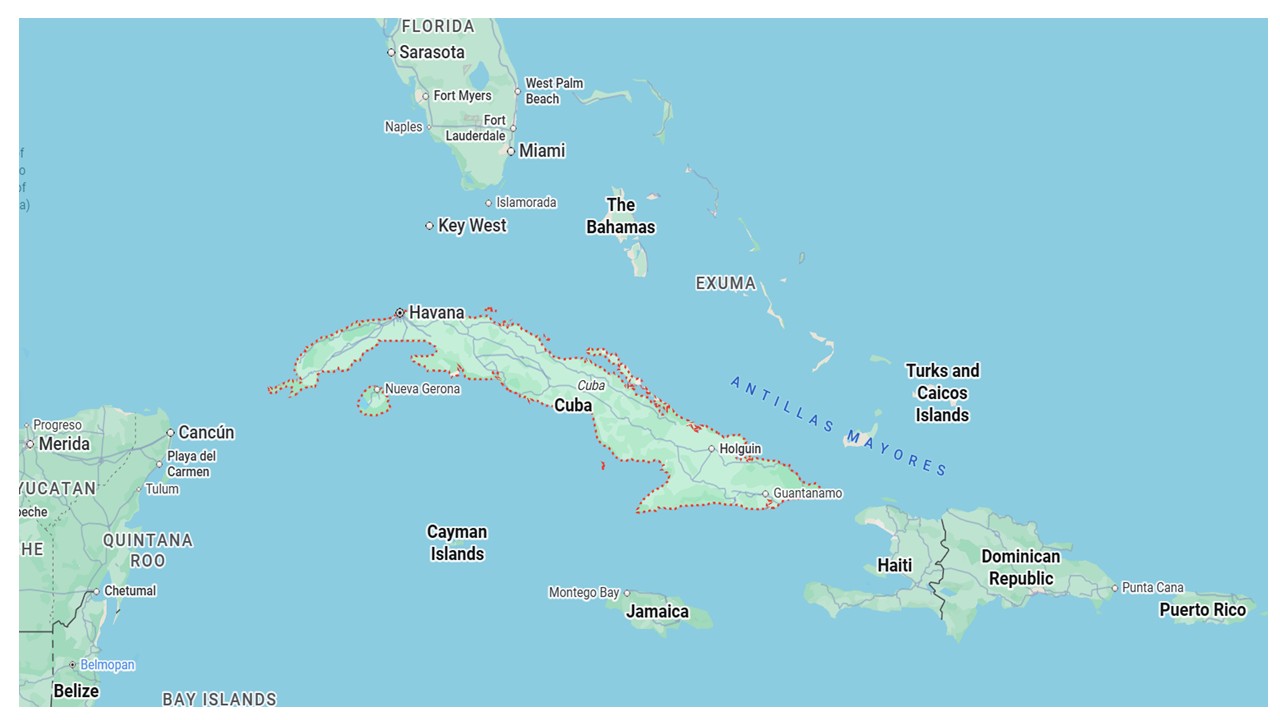
Source: Google
Trump is threatening extra tariffs on countries such as Mexico that exports oil to Cuba, which has reluctantly prompted Mexico to halt oil exports to Cuba in an announcement on February 10. Mexico had to giveaway on Cuba, as it also being threatened by the U.S. on two other fronts. Firstly, Mexico remains strongly opposed to Trump idea of direct military action by the U.S. against the Mexican cartels. Secondly, Trump wants to renegotiate the USMCA in 2026, where he will likely take a tough stance on China’s exports via Mexico. With Venezuelan oil imports also cut off, oil market analysts report that the situation in Cuba is becoming critical. Two potential ways forward are
· Negotiated agreement. The U.S. is unlikely to do a Venezuelan type removal of the current president and dictating to a new president, as the Cuban regime is deeply embedded and wants to keep control. However, Cuba president has reluctantly shown a willingness to negotiate, given the spiralling crisis that is causing humanitarian pain. The problem is that negotiations are complicated by the important Cuban American lobby (including U.S. Secretary of State), that wants to see an end to communist rule and a move towards a democratic society. This could involve a route to multi-party elections, which would be 1980’s style sea change that was seen in Eastern Europe. Trump desire for a deal could mean he tries to settle for less, but this could face resistance from within the GOP. If any deal is done then it would deescalate the tension and a risk of chaos. An eventual deal is our baseline.
· Chaos and mass immigration to the U.S. The other alternative is a shift into economic chaos, which could include attempts at large scale immigration to the U.S. Cuba has a population of 11mln and attempted mass immigration could hurt the Trump administration’s ahead of the November mid-term elections. Successful violent uprising against the regime is less likely. A series of protests against the Cuban government occurred July 2021, triggered by a shortage of food/economic chaos and the government's response to COVID-19. This prompted a government crackdown.
For now, Cuba is an issue to watch for developments, which could climb the news cycle but appears unlikely to provide a geopolitical shock to global markets. We recently looked at all the issue being championed by Trump in 2026 (here). On Iran, we still feel that Trump wants a deal and that a full scale conflict is unlikely – though he has undertaken isolated attacks on Nigerian rebels recently as well as Venezuela. Iran will likely be willing to give Trump some modest political victories, but not a road to regime change or widespread freedoms. Trump could end up claiming victory on his PR terms. On Greenland, big European countries will likely get Denmark to agree an eventual compromise with Trump, as Europe is critically dependent on the U.S. nuclear umbrella (here).