Trump’s Problems
Overall, the Trump administration’s hyperactive start to 2026 is unlikely to achieve success on the number one issue for voters in the shape of cost of living concerns. Meanwhile ICE’s immigration tactics in Minnesota are causing concerns among swing voters, though Trump geopolitical adventurism is not causing a voters backlash as it overshadowed by domestic issues. Domestic political pressure will likely cause Trump to slowdown and become more focused on trying to actually achieve moderate successes to help the GOP in November mid-terms.
President Donald Trump has a volatile start to 2026 with a change of leadership in Venezuela; threats and then backdown on Greenland and tempering of ICE tactics in Minnesota. What will happen next?
Figure 1: 2026 U.S. National Defense Strategy Key Aims
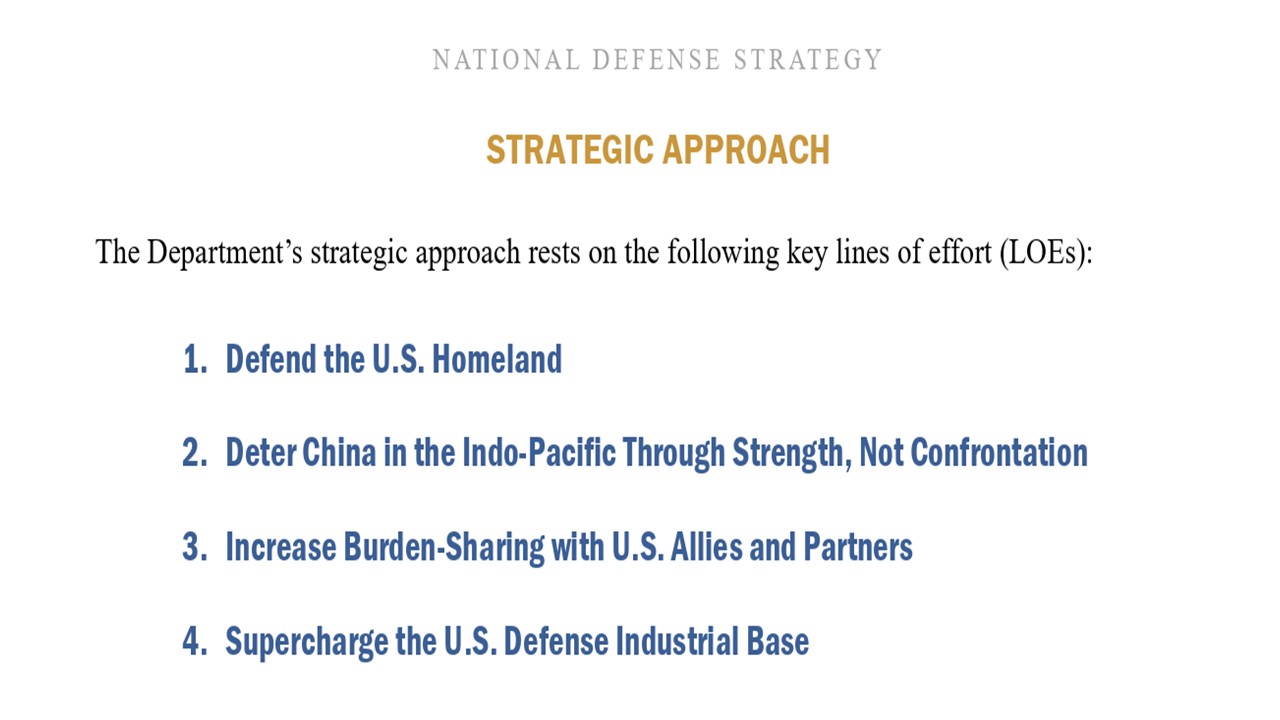
Source: U.S. Defense (here)
Trump has been hyperactive in 2026, but most issues appear to have the common thread of helping the GOP in the run-up to the mid-term elections in November. Trump hoped that leadership change in Venezuela would bring lower oil prices; Greenland would help Americas first security strategy and that ICE work would help GOP stay ahead on the immigration issue. However, events are tempering the Trump administration. What will happen next?
· Iran. Trump is once again threatening military action against Iran, with an armada arriving off Iran this week. However, this is likely a show of force to get concessions from the regime in Iran, with military attacks on Iran now unlikely. An attack could cause a spike higher in oil prices, which would hurt Trump desire for lower gasoline prices. U.S. voters and the new defense strategy also do not put a high ranking on Iran. Iran will likely be willing to give Trump some modest political victories, but not a road to regime change or widespread freedoms. Trump could end up claiming victory on his PR terms.
· Cuba. The situation in Cuba is fragile, with a very weak economy and distress among the population. Cuba is now heavily dependent on Mexican oil, where Trump could decide to threaten Mexico with tariffs unless it stops oil exports to Cuba. Though Trump tariff threats are prone not to be implemented, Mexico is due to enter USMCA renegotiations in July with the U.S. and may be reluctant to stand up to Trump. Cuba could become more volatile in the coming months, though U.S. military action is unlikely. This is an issue to watch, as economic collapse could cause a humanitarian crisis and a wave of illegal immigration to the U.S. – and hence a major domestic issue for Trump.
· Greenland/ICE/Reciprocal Tariffs. We had noted earlier in January that the Trump administration could get overstretched on other issues, despite prompting the change of leadership in Venezuela. Managing a new relationship with Venezuela is taking up time, which meant that Trump’s worst threats on Greenland were not credible. For now the president has decided for further talks over the issue, but Greenland and Denmark will not hand over the island to the U.S. Trump could shift the goalposts and agree more military bases with Denmark later in the year and claim victory! ICE tactics are the most pressing political issue, after a 2nd death in Minnesota. Though the Trump administration is changing tactics, Democrats are threatening a further government shutdown over ICE funding that could take time to resolve. The 3rd issue is the looming decision from the Supreme Court on reciprocal tariffs, where we see a partial of full rejection (here). However, this could also lead to new tariff threats, which could add to trade policy uncertainty.
· Cost of Living. Trump has tried to be more proactive on the cost of living issue, which is the number 1 issue for voters, especially swing voters. Extra Fannie Mae and Freddie Mac mortgages purchases is an off balance sheet measure designed to bring mortgage rates down – though the key issue is high long-term U.S. Treasury yields. However, gasoline prices have not come down sustainably this year and voters feel squeezed by higher healthcare costs. It is also unlikely that Trump desires for a 10% cap on credit card bills will become law. Meanwhile, a change in Fed leadership is unlikely to prompt the Fed to ease below 3.00-3.25% unless a hard landing occurs. With district Fed presidents terms having been extended to Feb 2031, most of the FOMC members will likely follow the views outlined in the December dots. A new Fed chair could communicate a different message, but reality would not change. All of this lack of success on cost of living is also leading to Trump administration pressure for more fiscal easing (demands for 2k per person tariff windfall and USD1.5trn of military expenditure in 2026). However, Congress appears lukewarm on these ideas for now.
Overall, the Trump administration’s hyperactive start to 2026 is unlikely to achieve success on the number one issue for voters in the shape of cost of living concerns. Meanwhile ICE’s immigration tactics in Minnesota are causing concerns among swing voters, though Trump geopolitical adventurism is not causing a voters backlash as it overshadowed by domestic issues.