DM Rates Outlook: Long-term challenges, but selective short-term value
*Overweight gilts for 2027, focusing on intermediates. Large ‘policy uncertainty’ premium offers value on any less adverse Middle East scenario.
* Treasuries may offer tactical opportunity into weakness over Q4 2026-Q1 2027, with US10s projected back towards 4½% in respite. Longer term issues remain.
* Eurozone neutral has moved up but short-end still looks to have overshot next year ECB rate prospects. France’s higher carry might tempt, but further pressures and “Truss-Budget-esque” risks remain.
* JGBs may have ‘normalised’ but handicaps remain. Ongoing extreme BoJ QT remains a headwind, playing more to levelling than sustained sharp rallies.
Overview:
Bond markets enter the final quarter after a period of sharp pressure, but the scale of repricing is starting to create some better-balanced risk-reward opportunities for 2027. Our central view relies heavily on an eventual easing in the Middle East shock (here), allowing some of the aggressive policy pricing and uncertainty compensation to unwind.
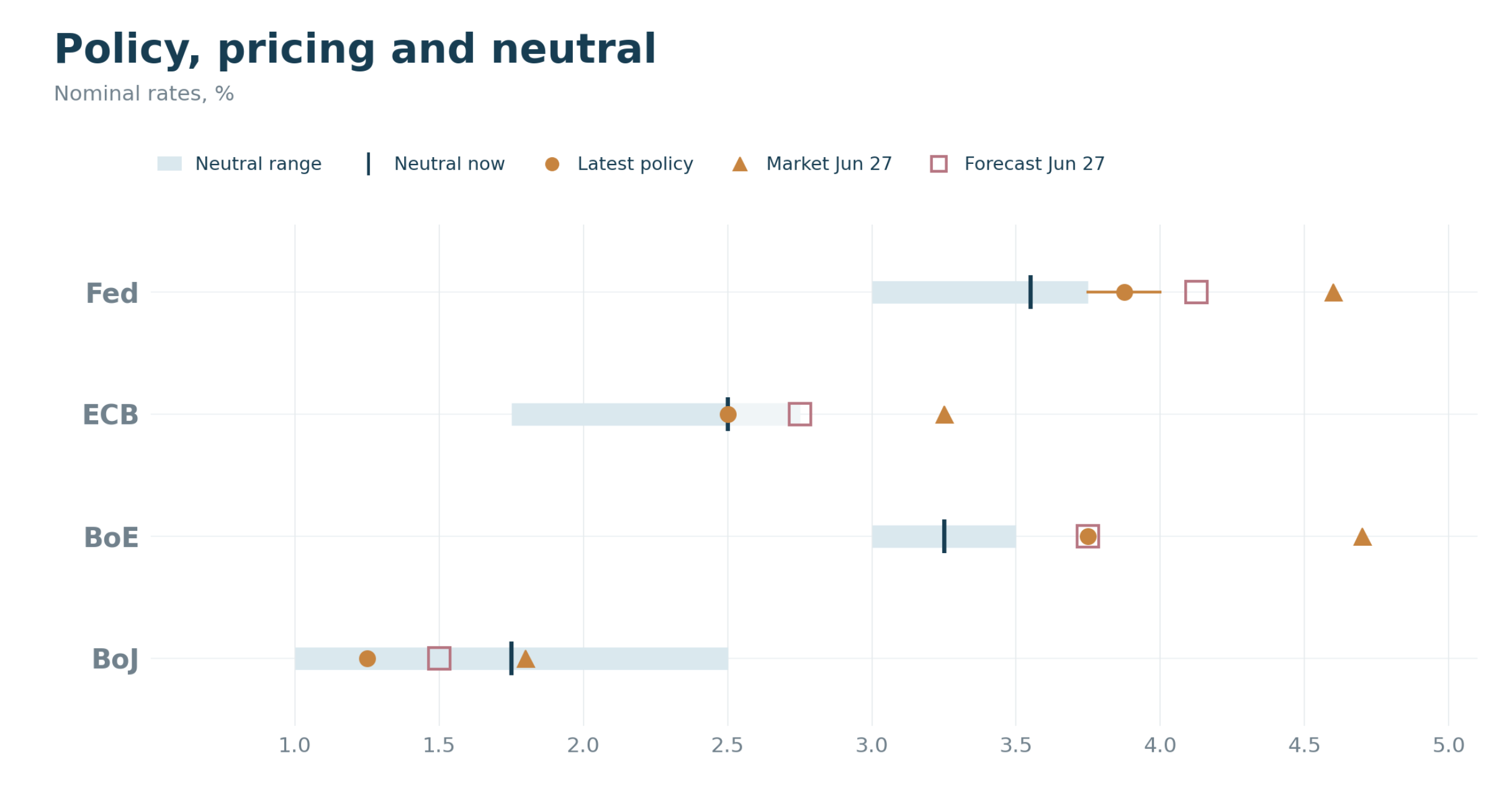
Figure 1: Relative tightness: Policy and expectations versus neutral
Source: Various estimates from sections below; Datastream; CE
Gilts offer the clearest opportunity, with scope for Treasury recovery, while JGBs look more restrained as normalisation completes and quantitative tightening headwinds remain. Bunds might offer less outright upside but retain value against French political risk. Fiscal borrowing and a higher neutral-rate backdrop should still limit how far the broader rally can run.
US
Summary: US Treasuries have been under severe pressure over the last quarter, driven by overlapping forces. We discuss these separately in more detail elsewhere (here). Broadly, this reflects repricing of Fed policy expectations on the latest leg, with a rise in real yields – and most especially the real term premium – over the longer period. That leaves a key question: how much could relent if the immediate pressures ease, and how much is here to stay or extend? The outlook assumes ‘a bit of both’, but remains highly dependent on global politics.
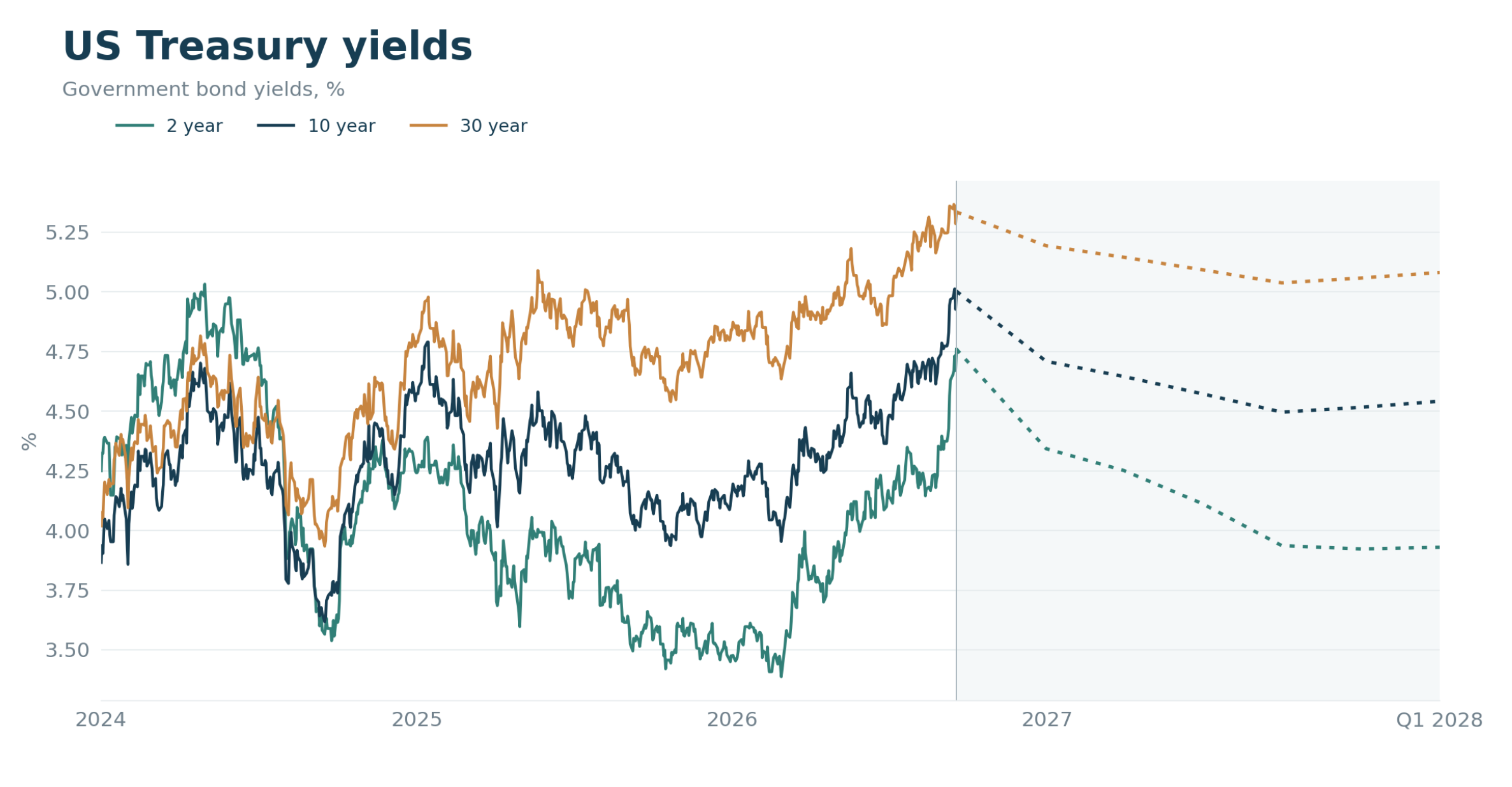
Figure 2: US Treasury outlook – some respite if Fed can avoid sharp tightening priced in
Source: Datastream; CE
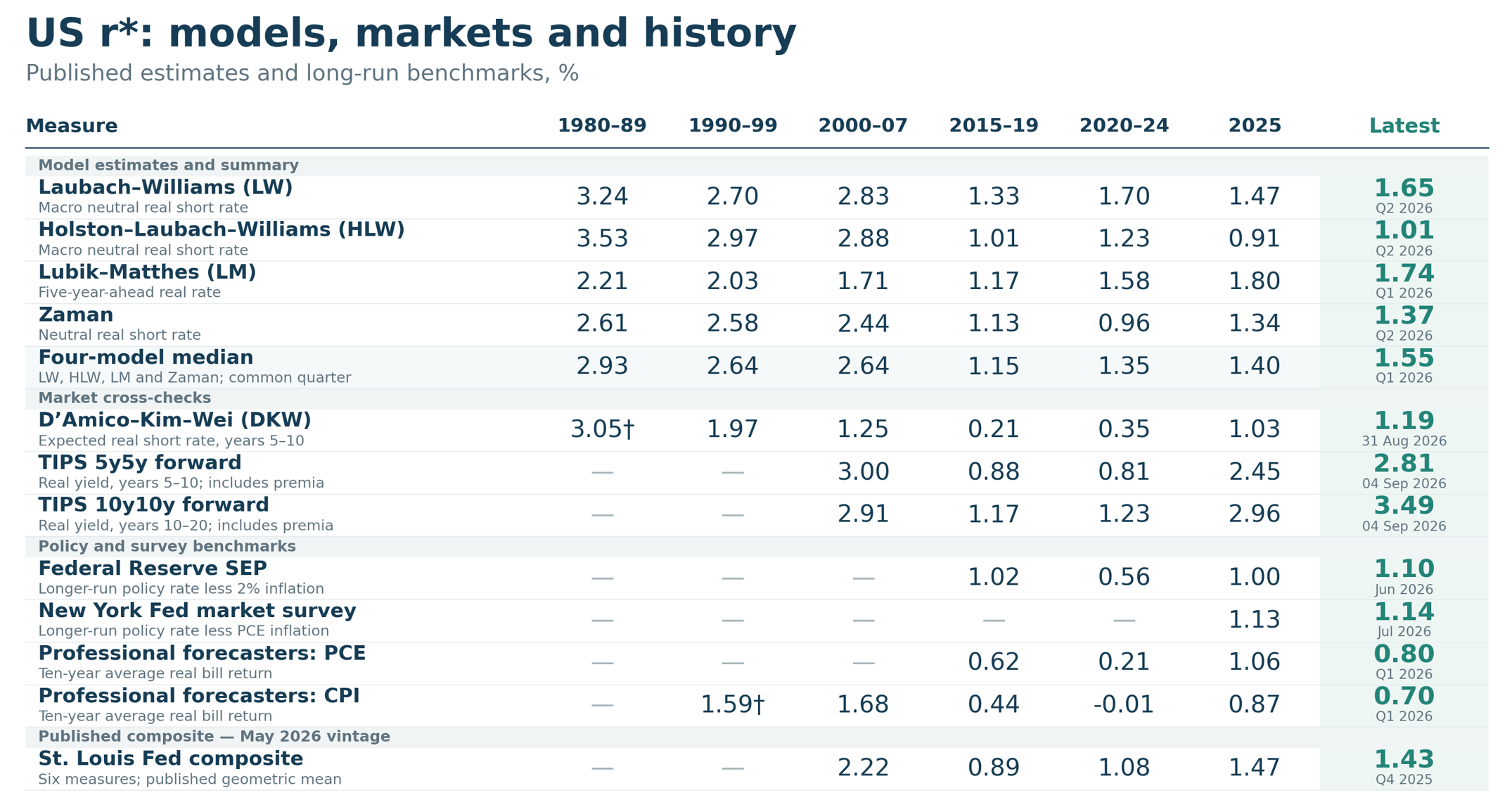
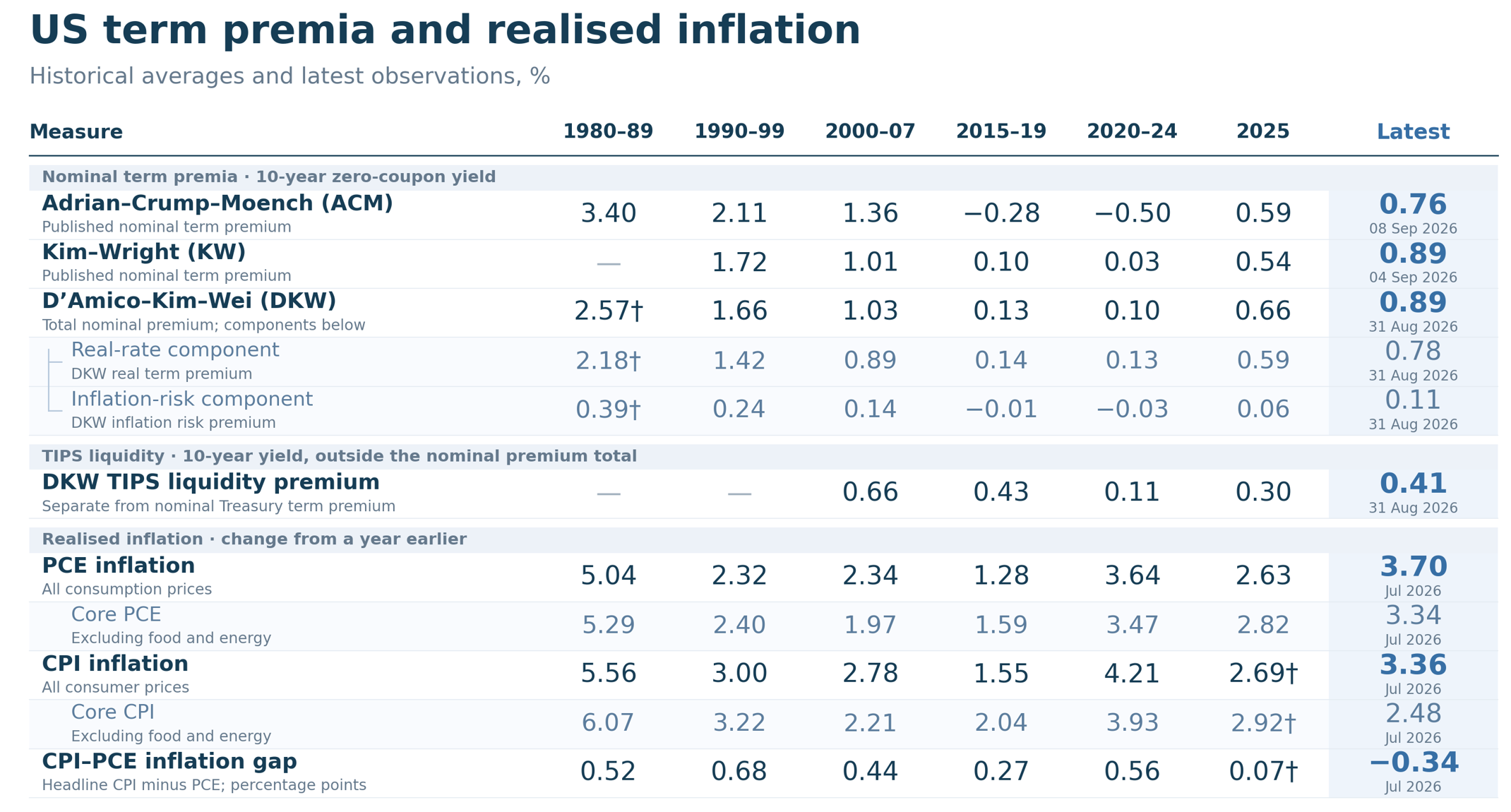
Key drivers: Behind that adjustment lie both (potentially) temporary pressures from policy uncertainty and the geopolitical and supply-shock backdrop, and also longer-term forces - fiscal borrowing and issuance, changing savings–investment balances and a possible erosion of Treasuries’ convenience value as the supply of global safe-asset expands. AI sits in the middle: adding investment demand and competition for funds in the nearer term, potentially further lifting real neutral rates through stronger productivity, while also offering scope for disinflation as those gains arrive. Expectations also matter here for many modelled scenario findings: spending can respond to the promise of future gains well before the economy delivers them, leading to more inflationary short-term shock reaction functions than might otherwise be presumed.
Figure 3: Neutral rates and premia on different estimates and vs past periods
Source: Various Fed ; BEA; CE
Some of the most acute pressures could dissipate for a spell, under a more benign geopolitical scenario in 2027 (for Iran/Strait scenarios, see here). Others, particularly on the fiscal side, look more entrenched, adding to the compensation investors demand for holding long bonds. This allows potential correction respite for yields over the next few quarters, but suggests that – barring an unanticipated financial shock – global bond yields, very longer-term, are likely to maintain the upward shift seen since the break in their post-1980s downtrend.
For our 2027 projections, two connected assumptions are critical. First, that after a difficult run in to winter, an eventual US–Iran truce is found by early 2027, relieving pressure on energy prices and disruption to commodity trade flows. Second, that the Fed completes its mini tightening recalibration with another 25bp hike in December, then pauses, before easing by 25bp in each of Q3 and Q4 next year as energy inflation subsides and the economy slows under the weight of an overstretched consumer.
Central projections: Our projections allow gradual convergence towards fair value based on our Fed funds forecasts, with 2yr yields easing below 4% during 2027. Some of the upward pressure on long-end yields also relents, with 10s easing towards 4½% before the correction bases out. After Fed policy peaks, the curve shifts back towards steepening, reaching around 60bp by end-2027.
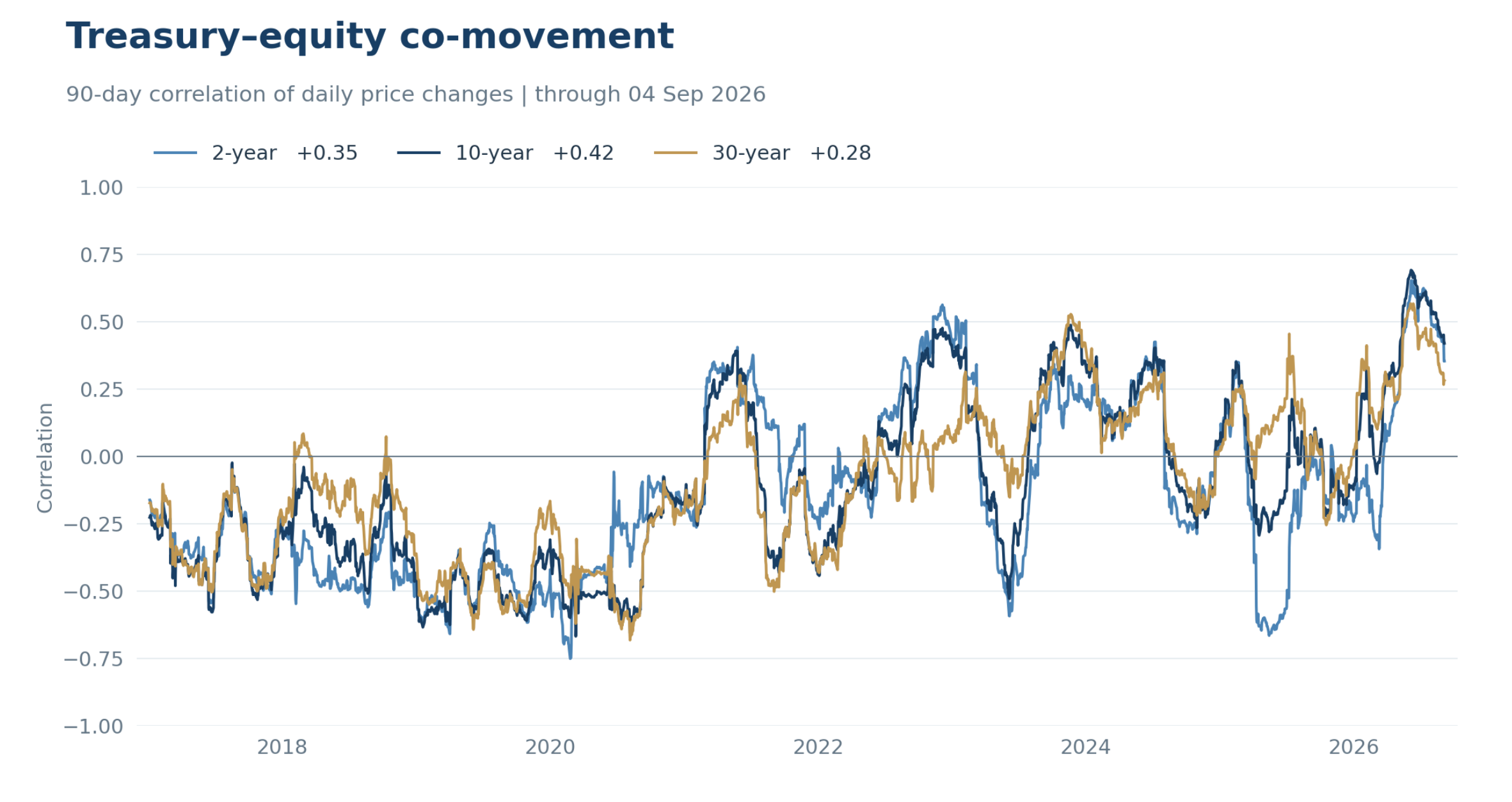
Risks: The range of outcomes is unusually wide, especially near-term. One risk is a more entrenched and escalating Middle East conflict, both in Iran and across the region. The market may already embed considerable hedging in its more extended implied Fed funds backup, and this is the scenario in which those aggressive hike risks would crystallise. Notwithstanding short-end hedging, the long end could remain vulnerable to panic or momentum selling of the kind recently on show, with buyers stepping out of the way and 10s testing the next significant 5.25–5.30% area, the next major highs.
Figure 4: A risk shock at any point would shift drivers back to ‘normal’ for a spell
Source: Various regional Fed; BEA; CE
The other is that the smooth projection makes no allowance for a cycle peak or a significant equity and wider risk-market correction. As the size and length of the risk rally and business cycle extend, particularly given its dependence on AI, the risks of a material correction naturally rise. We do not attempt to time that within the outlook, but it remains the most likely potential theoretical driver of any more significant Treasury rebound over the longer outlook. A marked episode of financial stress would also bring the Fed’s response into focus. More idiosyncratic, shorter risks are also inevitable along the way and start as soon as Q4, when the US midterm elections bring their own dangers of volatility (here).
Eurozone
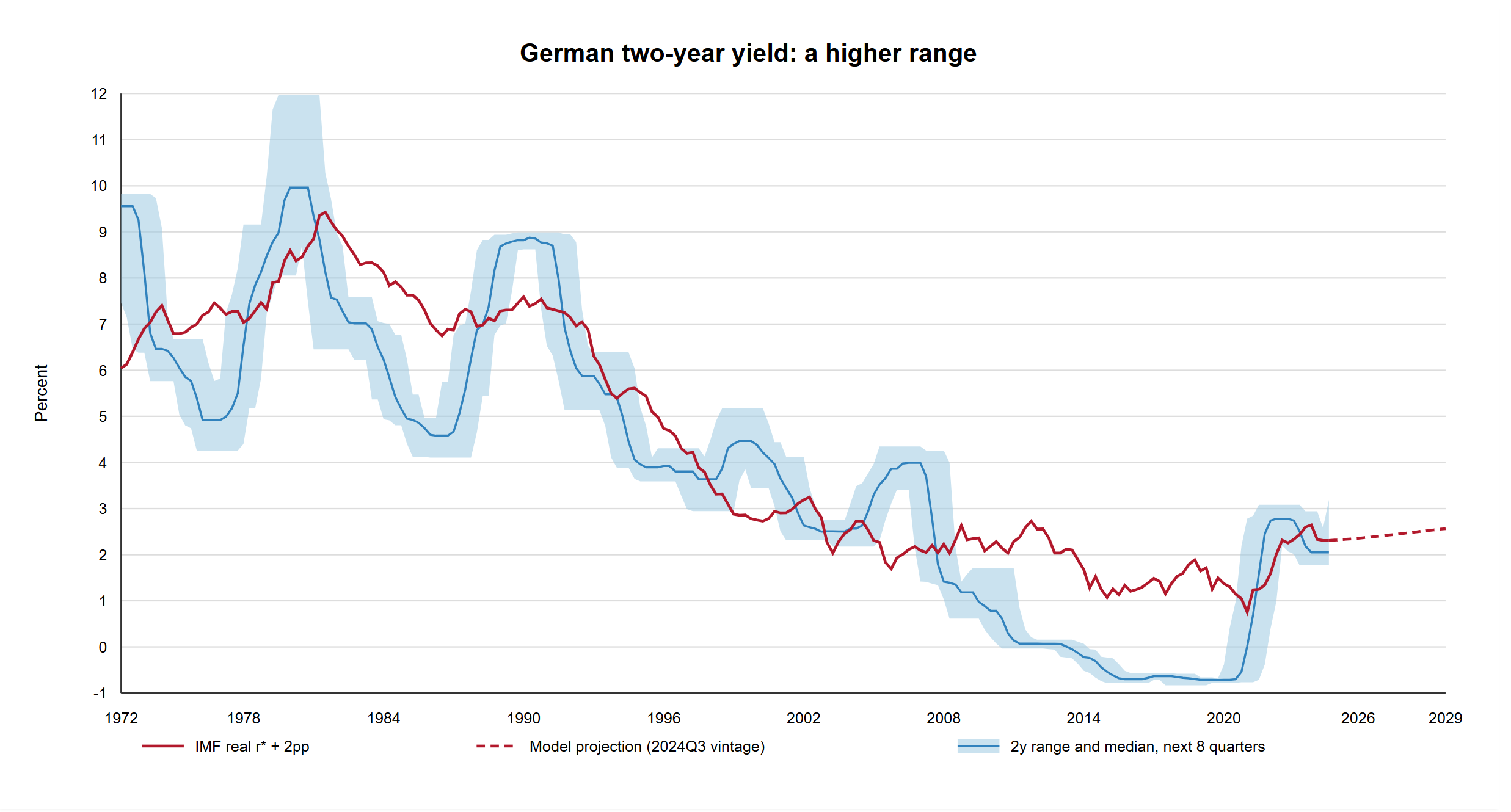
Key drivers: The ECB has been gradually nudging the deposit rate higher. Part of the reason it has viewed the recalibration as a “no-brainer” has been the persistence of the Middle East shock and its impact on headline inflation. But there is also an evolving view that policy had not been proving particularly tight, and that neutral may be higher. The reported staff range is around 1.75–2.5%, while some hawkish policymakers lean higher: Ireland’s Makhlouf has suggested policy would become restrictive only above roughly 2.75%.
Figure 5: Longer-term short-end and neutral range has recovered from GFC period
Source: IMF; Datastream; CE
That is an important consideration for the longer trajectory and curve from here. It supports another 25bp hike in December under our central view, and suggests that much of the adjustment could be maintained even if the energy crisis resolves, barring a larger downturn. While still responsive to the cycle, it supports a higher range for the 2yr Schatz as it escapes the post-GFC range and moves back towards noughties territory.
Central projections: Our main scenario has a December final hike, followed by a single 25bp cut in Q4 2027. 2yr Schatz yields recede towards 2.8% by end-2027 and remain broadly steady thereafter. As for all the majors, this relies heavily on a relatively benign Middle East scenario allowing the market’s hedging of a more aggressive tightening cycle to abate.
With policy settling around a 2.5% neutral assumption (possibly higher, further out), the scope for a sustained Bund rally is more limited. Bunds ease towards 3.35% by end-2027, with 2s10s widening towards 55bp, before broadly stabilising through 2028. From a trading perspective, the recent yield acceleration looks overdone relative to the supporting trend. A relief rally could still take yields towards 3.2% at some point without damaging that underlying trend.
Risks and spreads: A persistent, worsening energy shock remains the main threat, keeping the ECB under pressure to tighten further. Germany’s political backdrop has also become more challenging. The latest state-election setbacks could complicate reform and encourage fiscal concessions.
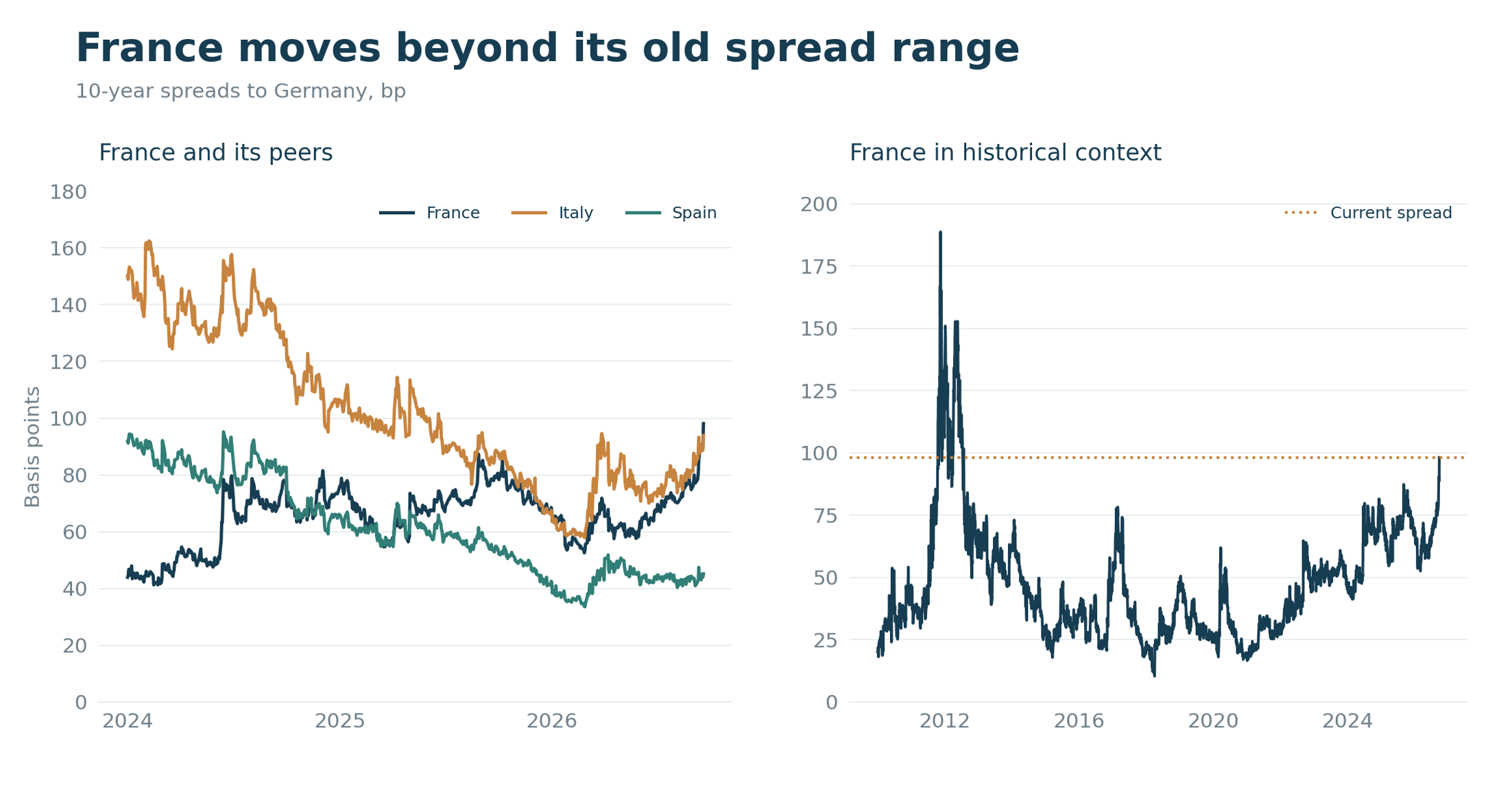
Figure 6: OAT spread higher range & even possible “Truss Budget” panic at some point
Source: Datastream; CE
France remains the clearest source of political and spread risk though. Its fiscal and political problems are now mainstream concerns, and the sharp repricing may contain further widening. But a deficit of 5.4% this year and debt projected above 120% of GDP next year leave little room for slippage and remain widely non-compliant. Fuel subsidies, the fragile parliamentary position and the presidential election complicate consolidation. The ‘debt-cancellation’ debate adds an institutional concern, even if largely rhetorical noise and firmly dismissed.
The break above the old 80–90bp range ceiling takes the OAT-bund spread back into territory last seen in 2012, leaving a risk that political breakdowns or market panic into the election could push it towards the upper end of a 100–125bp range. Even without a wider crisis, a French ‘Truss budget’ moment could even, in some tail scenarios, not implausibly see a spike towards the 150bp area reached in 2012. That tail risk would likely support Bunds through haven demand while putting intense pressure on politicians and the wider Eurozone machinery to deliver a credible fiscal response. The ECB might help contain disorderly markets, but its backstop is always conditional and never willing to step in short circuit any forced pressure for national fiscal and pollical course change. Slowing QT is more likely than TPI in a crisis.
UK
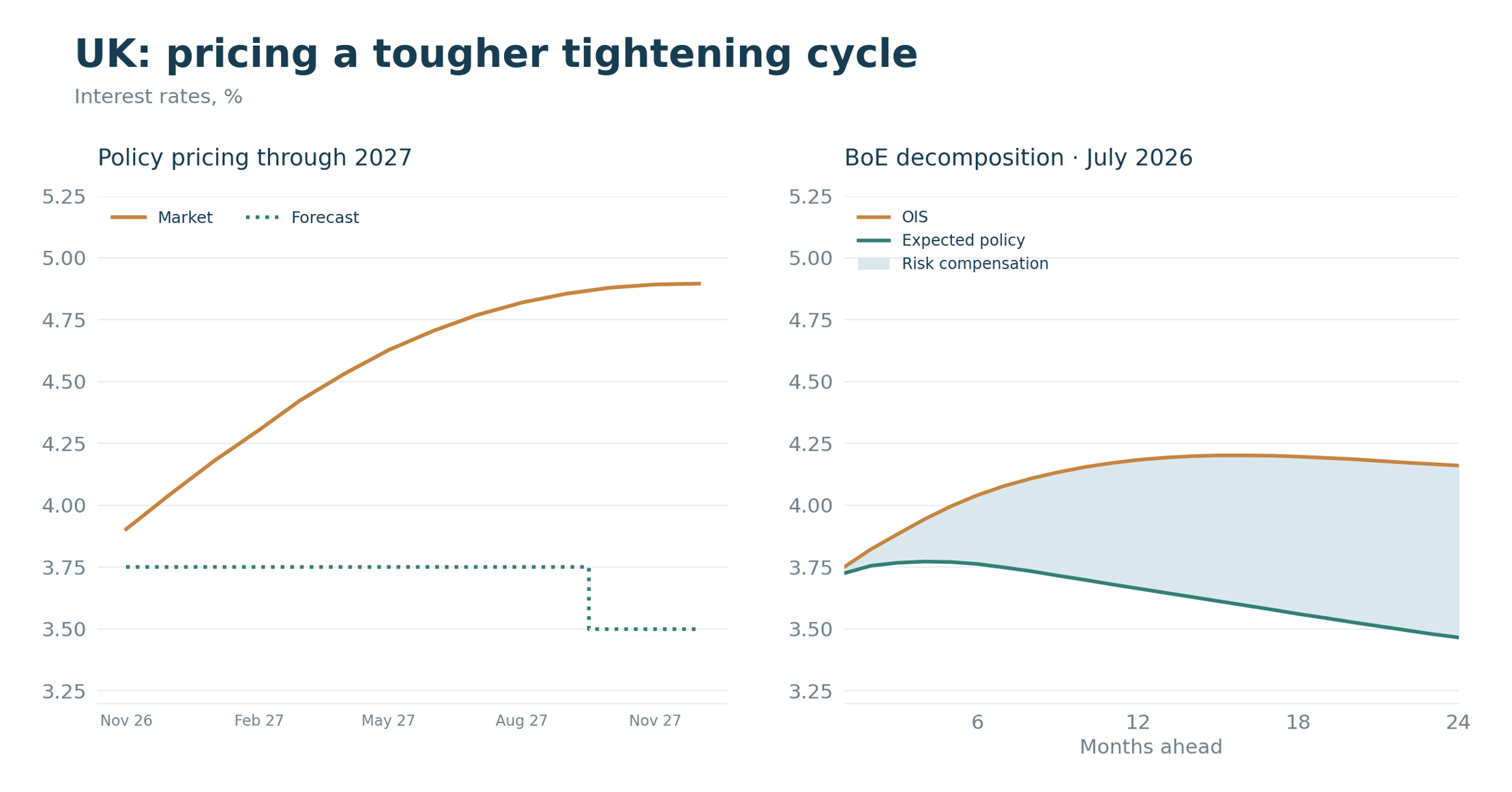
Key drivers: Gilts are arguably the most interesting major bond market, with potential for outsized gains if a more favourable Middle East scenario plays out in 2027. The near-term picture is more optically challenging. Headline inflation potentially above 4% early next year, unless energy relents, would test the BoE’s resolve. It could yet blink, if only marginally, in November’s Inflation Report forecast round, where the odds are currently in balance and event- dependent in the next few weeks. Even then, given moderating underlying inflation and a soft labour market, we would see any hike as precautionary. Market pricing allows for a significantly more sustained tightening cycle.
Figure 7: UK MMKT and gilt short end includes large ‘policy uncertainty premium’
Source: BoE; Datastream; CE
As the BoE notes, a substantial part of that pricing reflects policy uncertainty compensation rather than simply the most likely policy path. Higher market rates are already tightening mortgage and borrowing conditions without the Bank having to move. If the energy shock eases, some of that compensation could unwind before any actual cut, giving gilts scope to recover.
The long end has also received support from the APF changes. Pausing auctions pending the April review and holding the longest bonds to maturity eases supply pressure, although some relief is already now reflected in 30s reaction. This matters especially in the new environment where pension schemes provide less natural demand for long duration than previously.
Central projections: We favour gilts on a 2027 horizon, concentrating exposure in intermediates out to 10s, with shorter gilts offering the more direct policy trade. Our central call remains unchanged Bank Rate until a 25bp cut in Q3 2027. 2s ease towards 4.0%, 10s to at least 4.7% by end-2027, with 2s10s widening to around 70bp. This allows a meaningful recovery while conservatively leaving some of the current additional compensation in place. A November hike brings near-term upside risk to yields, but its immediate effect should diminish through next year if it remains one-off and reversible.
Figure 8: Gilts have room to rally if geopolitics subside with Middle East truce
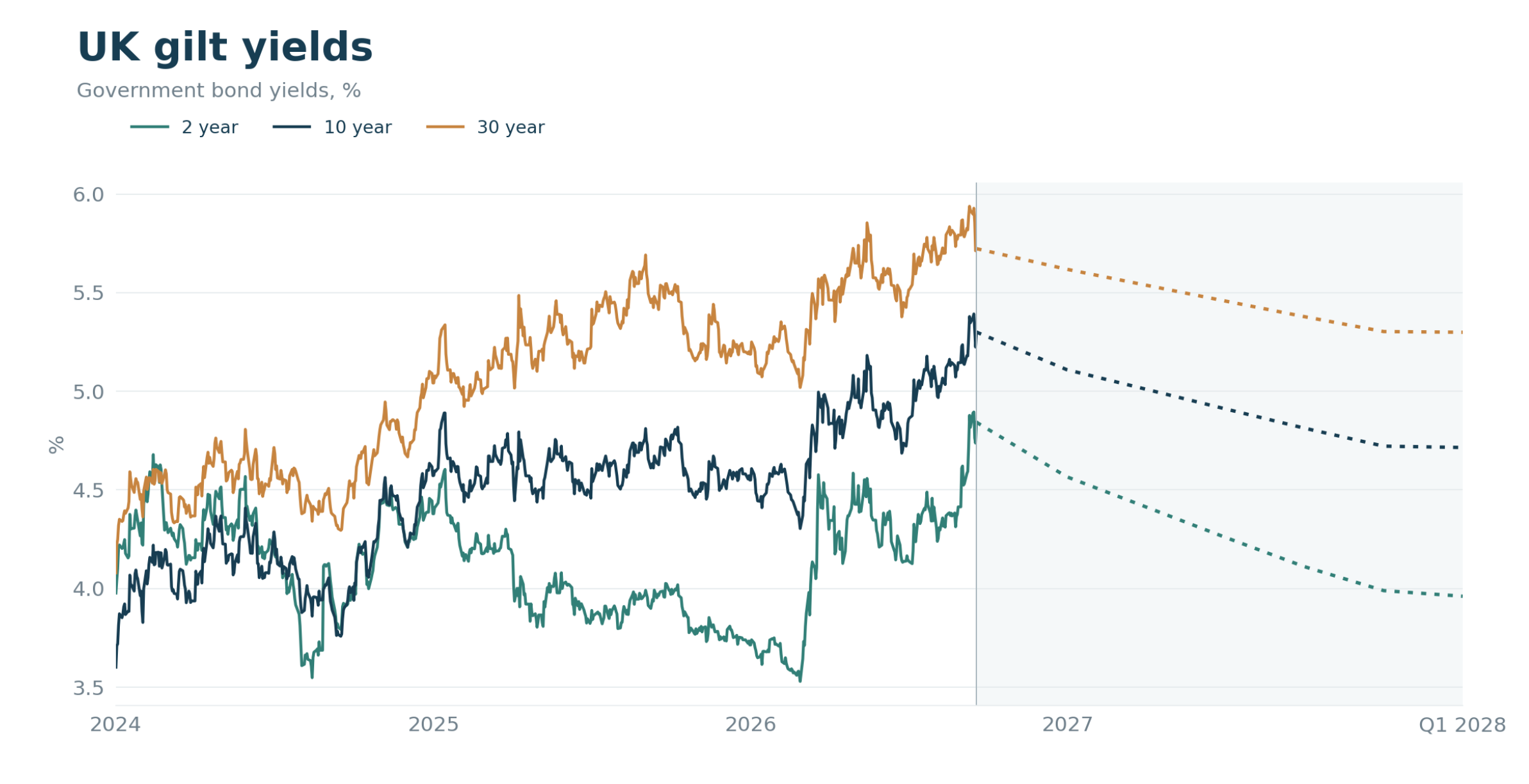
Source: Datastream; CE
Risks: The autumn Budget remains an important domestic test. With earlier spending support front-loaded and tax increases expected, our working assumption is a broadly neutral to tightening fiscal stance as the new prime minister seeks stability. The desire to demonstrate a more progressive agenda nevertheless leaves room for surprises. A prolonged energy shock could also force sustained tightening and frustrate the gilt rally, justifying more of the current market pricing and undermining the upside gilt tactical case.
There is upside to bond returns beyond the central view. Projections still cautiously allow substantial long-end compensation and a relatively steep curve. A more favourable global backdrop could compress that compensation further, taking 10s to at least 4.6% by end-2027 in the lower-compensation scenario.
Further support could come if issuance continues adapting to weaker pension demand. The Pensions Regulator estimates that LDI duration shortened from around 20 years at end-2021 to 13 years by March 2025, while size of market is sharply down on structural factors. The DMO has already shifted towards shorter maturities, but further adjustment at the Budget could reinforce relief from the BoE’s decision to stop selling its longest gilts.
Japan
Key drivers: JGBs have remained under pressure from both ends of the curve. Tightening bets accelerated as US support for yen intervention added to pressure for the BoJ to catch up on normalisation, and with underlying inflation approaching target and retaining upside risks. Meanwhile, heavy quantitative tightening and reluctance to tighten the fiscal stance have dragged on the long end.
Supply pressures show little sign of relenting, though the BoJ might reconsider if long-end yields accelerate sharply and the geopolitical backdrop deteriorates. Some ¥71tn of holdings mature over October 2026–September 2027, implying net runoff after planned purchases of around ¥46tn, or 6½% of GDP (for more, see here). There is a little offset from the reduction in issuance duration, with MoF reducing sales of 20-40yrs. Much of all this is likely reflected in prices, but it remains a net clear headwind for recovery at least.
Figure 9: BoJ quantitative tightening maintains extreme pace
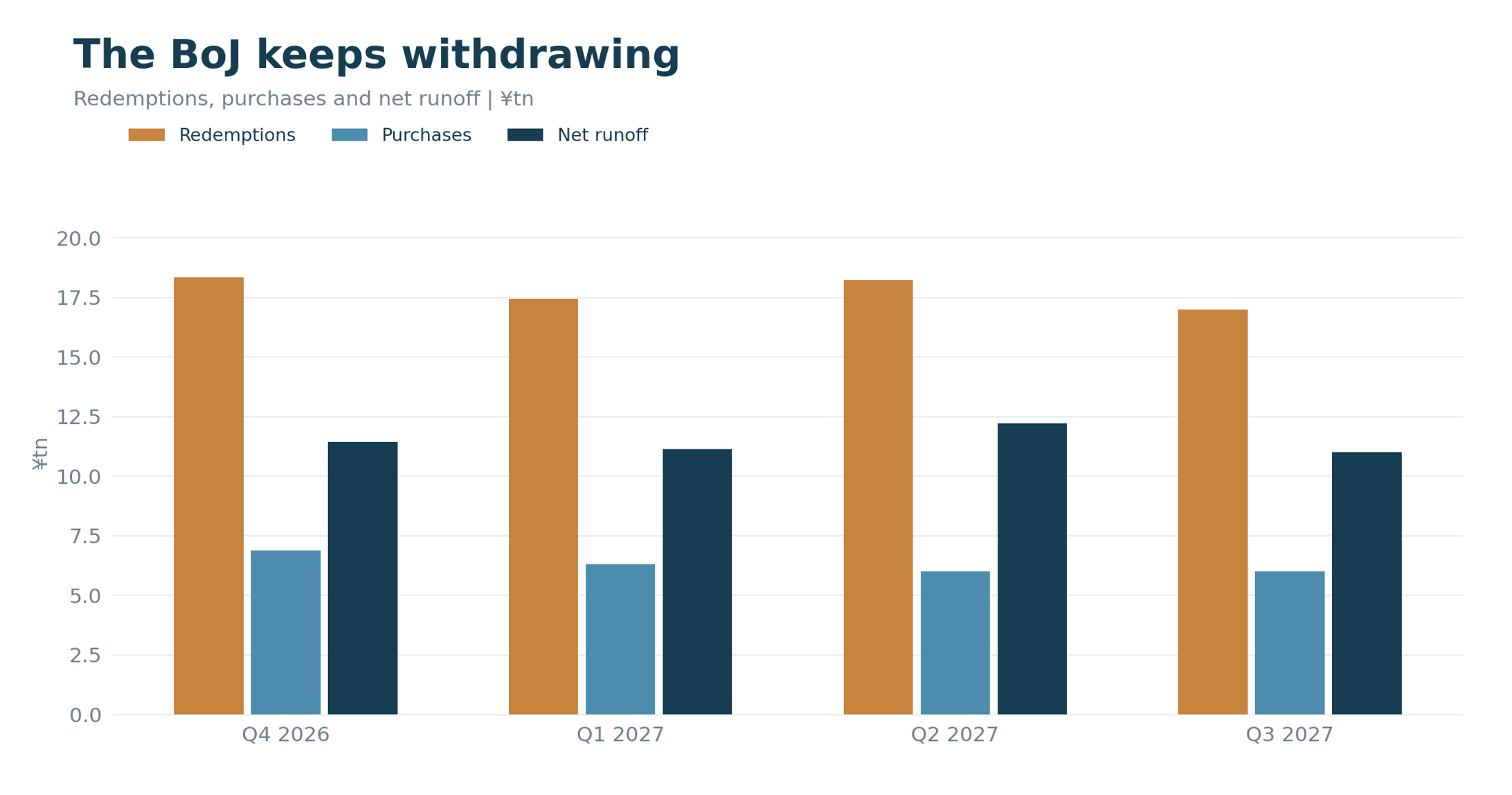
Source: BoJ, MoF; CE
Partly owing to that additional tightening, we see the BoJ proving more circumspect over the speed and extent of further hikes than markets price, unless fresh yen weakness or CPI surprises force its hand. The latest meeting left the timing and extent of action open; our expectation is that it takes time to assess inflation towards the fiscal year-end and the spring wage round. A further 25bp move then would take policy to 1.5%, closer to the central 1.75% neutral assumption. If the more benign Strait scenario plays out by early 2027, that could allow a pause as headline inflation eases, before normalisation is gradually completed if the economy reinvigorates.
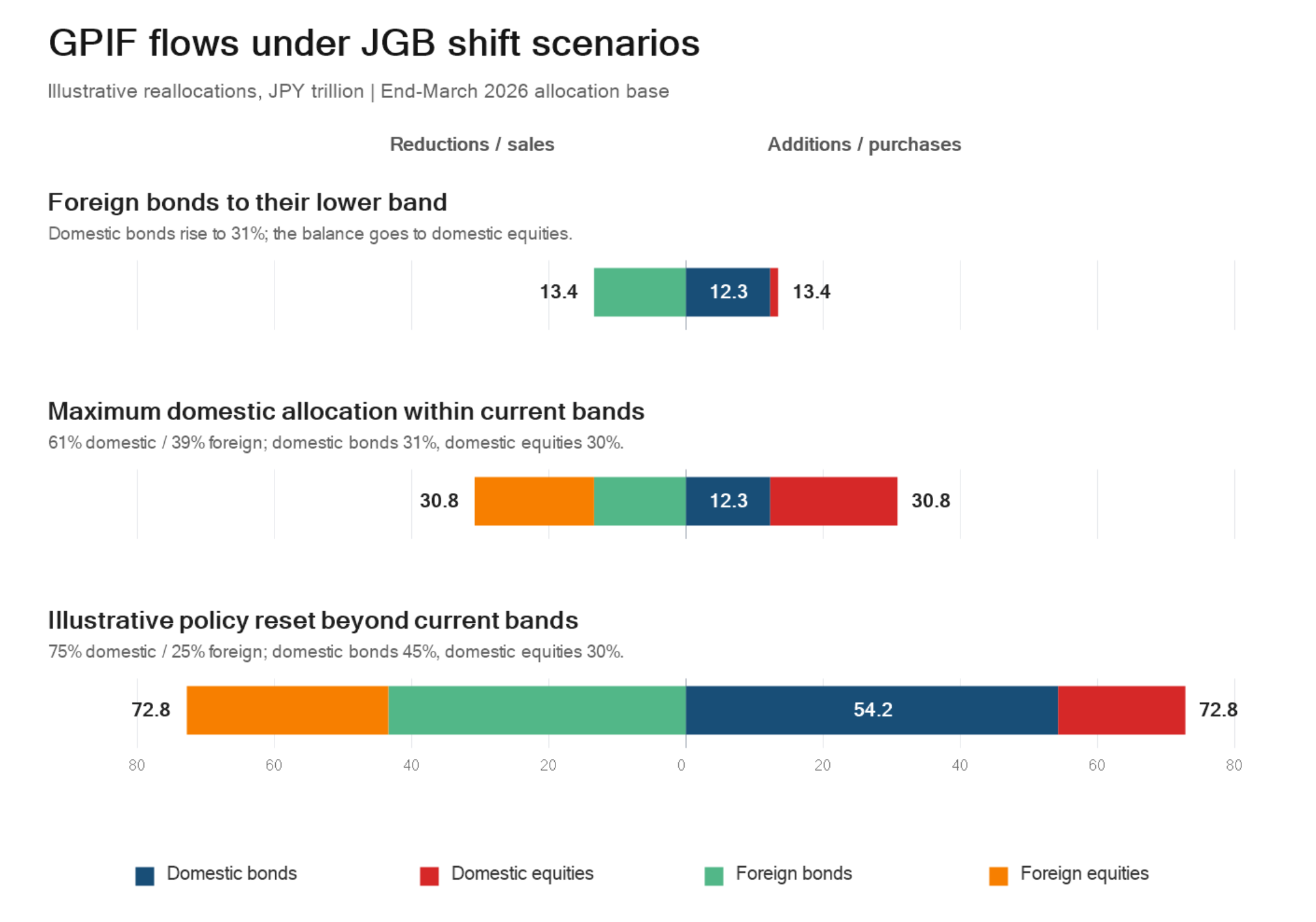
Medium-term factors start now to offer support if JGBs can stabilise after the adjustment to a higher inflation-expectations anchor. As discussed elsewhere (here), the Government Pension Investment Fund could shift more of its allocation towards JGBs within its existing flexibility. This might encourage other domestic institutions to do likewise as they reassess the weak yen, the extended risk cycle and liability-matching strategy.
Figure 10: GPIF has flexibility, other institutional buyers may also rebalance risk
Norges Bank Investment Management’s proposed benchmark changes are interesting chiefly as an indication of how overseas or other reserve/wealth fund allocation thinking may be shifting. Its argument notes that high government debt is now common across developed economies, weakening one longstanding reason for underweighting Japan. Alongside the yen’s changed risk-reward from current long-term extreme undervaluation, this could encourage broader overseas interest. Recent weekly flows show increased foreign buying of Japanese bonds, although Japanese investors have also bought overseas bonds to lock in the yield highs too.
Central projections: The slower policy path leaves 2yr yields broadly anchored around 1.7%+/- through 2027. 10s ease towards 2.7% or so by end-2027, having held the 3% zone, possibly catching a slightly better bid at times from the Treasury bounce. Buyers are more likely to be medium-term position adjustments, built on the premise of a gradual increase in Japan from underweight rather than shorter-term tactical considerations. JGBs looked to have largely moved towards normalisation after escape from the deflation regime rather than into any great overshoot, baring a fresh global major risk asset cycle turn.
Figure 11: Scope for JGBs to level out n/t after ‘normalisation’, as headwinds remain
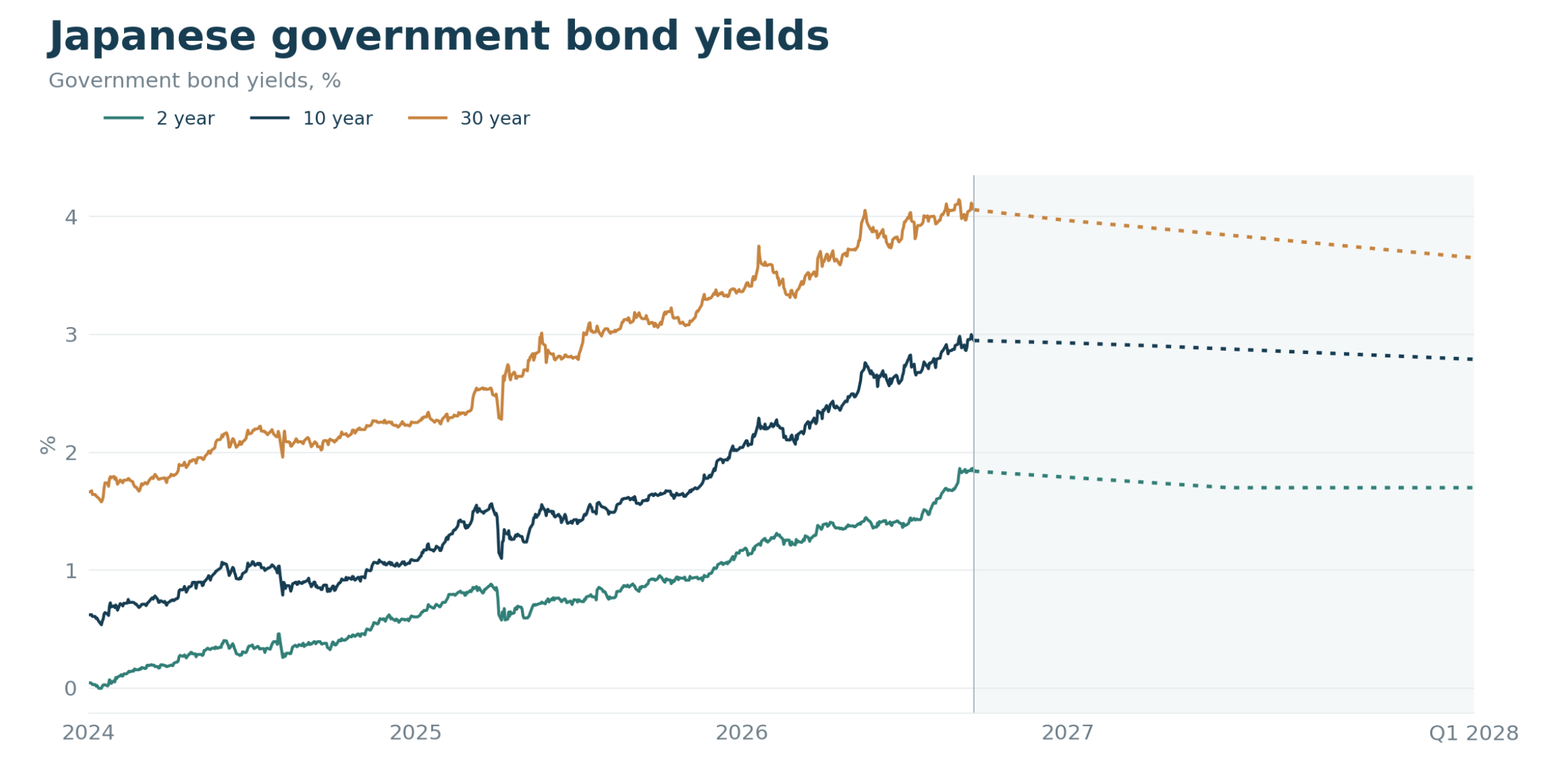
Source: Datastream; CE
Risks: Renewed yen weakness or persistent wage and price pressures could bring the next hike forward and require a higher endpoint. Extended disruption in the Strait would make BoJ patience harder to deliver. Further out, fiscal expansion and BoJ balance-sheet reduction could keep yields rising if demand-supply fails to find balance. Over-reaction to too much reflation success and an ‘unfamiliar’ acceleration in inflation above target might also test a bond market that has been in a difficult, dramatic transition.