Barbarous Relic or Strategic Hedge - Gold in a late-cycle portfolio
* Gold worked off early year retail excess, moving into a more constructive technical and seasonal period
* The strategic case for gold is much wider: rich risk asset valuations can neither be sat out nor left unhedged
* History (no guarantee of future performance…) supports increased gold hedges into later-cycle gains and valuations
* Fiscal, dollar, and end-cycle risks, the prospects of future policy responses, along with diminished levels of global sovereign trust – these wider forces continue to broadly play to real money and reserve demand
The previous report looked at the tactical case for being long gold (here). That argument focused on positioning, technicals, seasonality and the risk outlook. In a nutshell, the early-year speculative excess and blow-off move, fuelled by retail, had been liquidated; the market had moved out of the weakest seasonal window and into the more supportive late-summer period, ahead of its strongest season around the turn of the year; the charts showed a good base forming and structure building for a breakout; and political, policy, dollar and equity risks looked capable of picking up again after the summer volatility crush.
This report switches focus to the strategic, longer-term case: why medium-term portfolio accumulation is likely to remain a feature for both real money and reserve managers. None of the underlying themes is unfamiliar. The argument is that we are in a particular late-cycle period in which commodity prices would normally be expected to benefit as liquidity moves into the real economy and demand for inflation hedges increases. So far relative performance recoveries have been limited elsewhere, copper a partial exception, but gold is most definitely attracting portfolio demand as a hedge against accumulating risks and potential event-and-policy-response scenarios. These risks can be grouped into three main strands, with a longer-term relative-value framework overlaid on them.
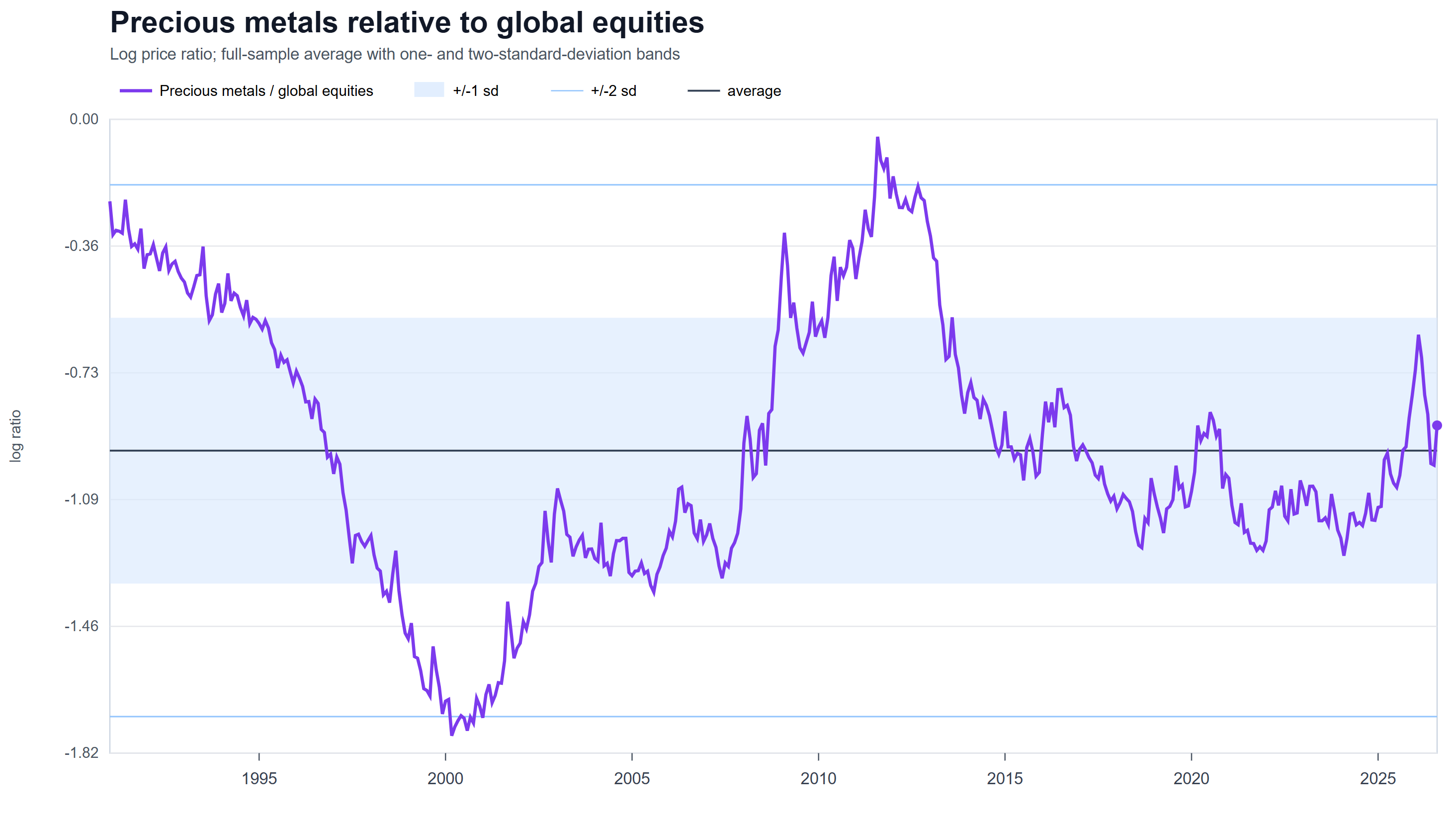
Figure1: Gold to global equities vs long-term average
Source: Datastream; CE
The first is the need to hedge late-cycle risk-asset gains that real money can neither afford to miss nor be complacent on. Precious metals were at “buy of the century” cheap extremes coming through the 2000 dot-com bust. The initial relative gains, the accommodative policy stance that followed and, subsequently, the 2008 GFC/euro events all fuelled the long-term “two crises” move towards richer relative levels. That receded during the post-GFC normalisation and the return to early- and mid-cycle risk-asset upswings.
At present, precious-metals performance relative to global equities remains middling within the full long-run historical range. Arguably, we are again in a “mid-twin-crisis” zone. This time, Covid and the policy response drove the initial gold move. (Subsequent freezing of Russia central bank reserves, along with the early-Trump dollar hedging and diversification period, reinforced the reserve demand case). The excesses emerging from that response are more fiscal than purely monetary or related to global trade recycling, as they were during the 2000s. This is an analogy rather than a claim that a second crisis is inevitable, but it provides a useful way to frame the current phase and dynamics.
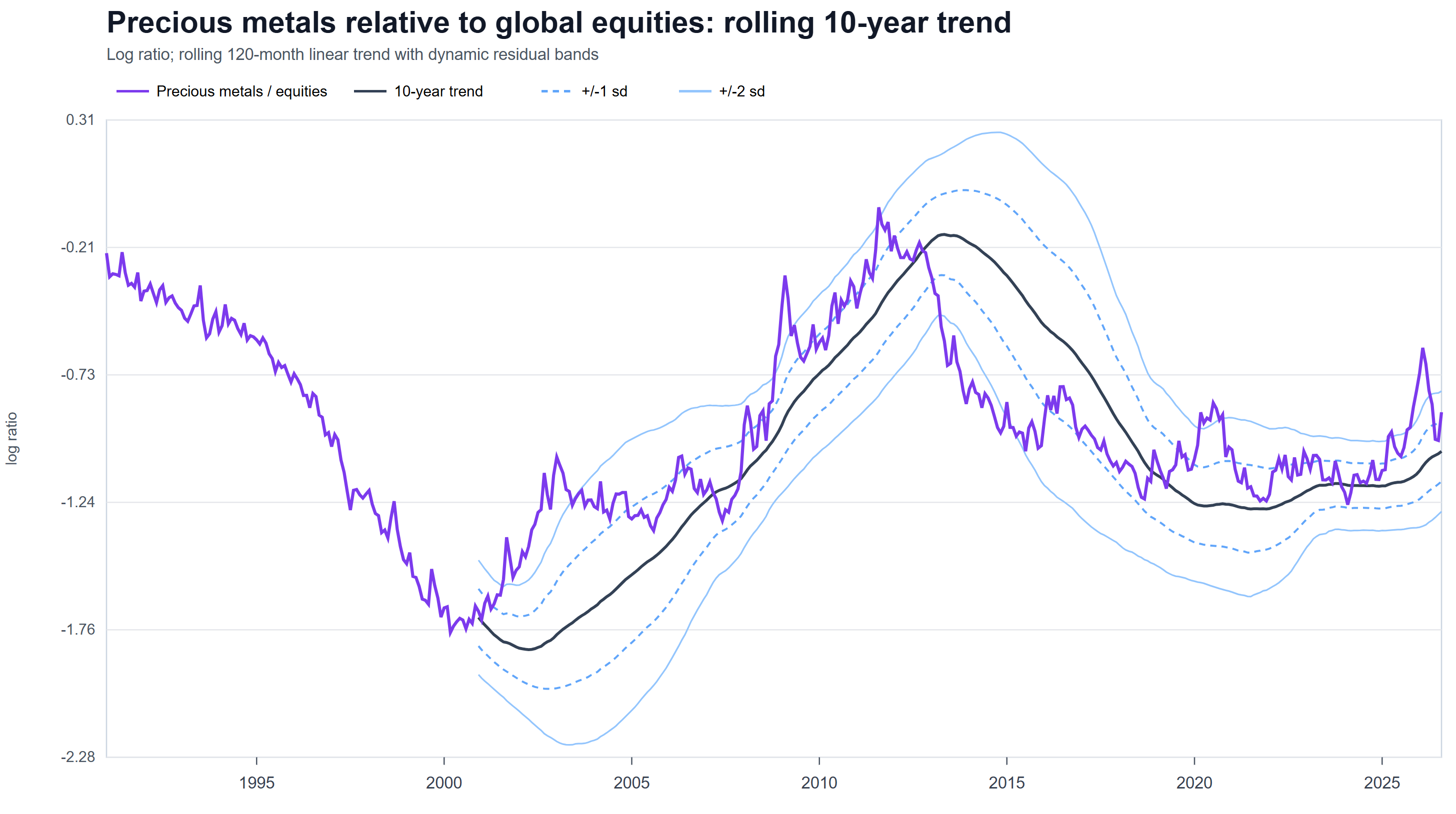
Looking at relative performance on a rolling-trend and deviation basis helps to draw out both the underlying trend change and the shorter-term positional excesses around it. On this basis, the relative-performance cycle can be seen turning higher out of Covid. The early-year acceleration carried the ratio to almost four standard deviations above its rolling ten-year trend. The subsequent liquidation brought it back close to the central rising trend in early summer, before the latest action began to turn higher again.
Figure2: Rolling 10yr trend and deviation bands
Source: Datastream; CE
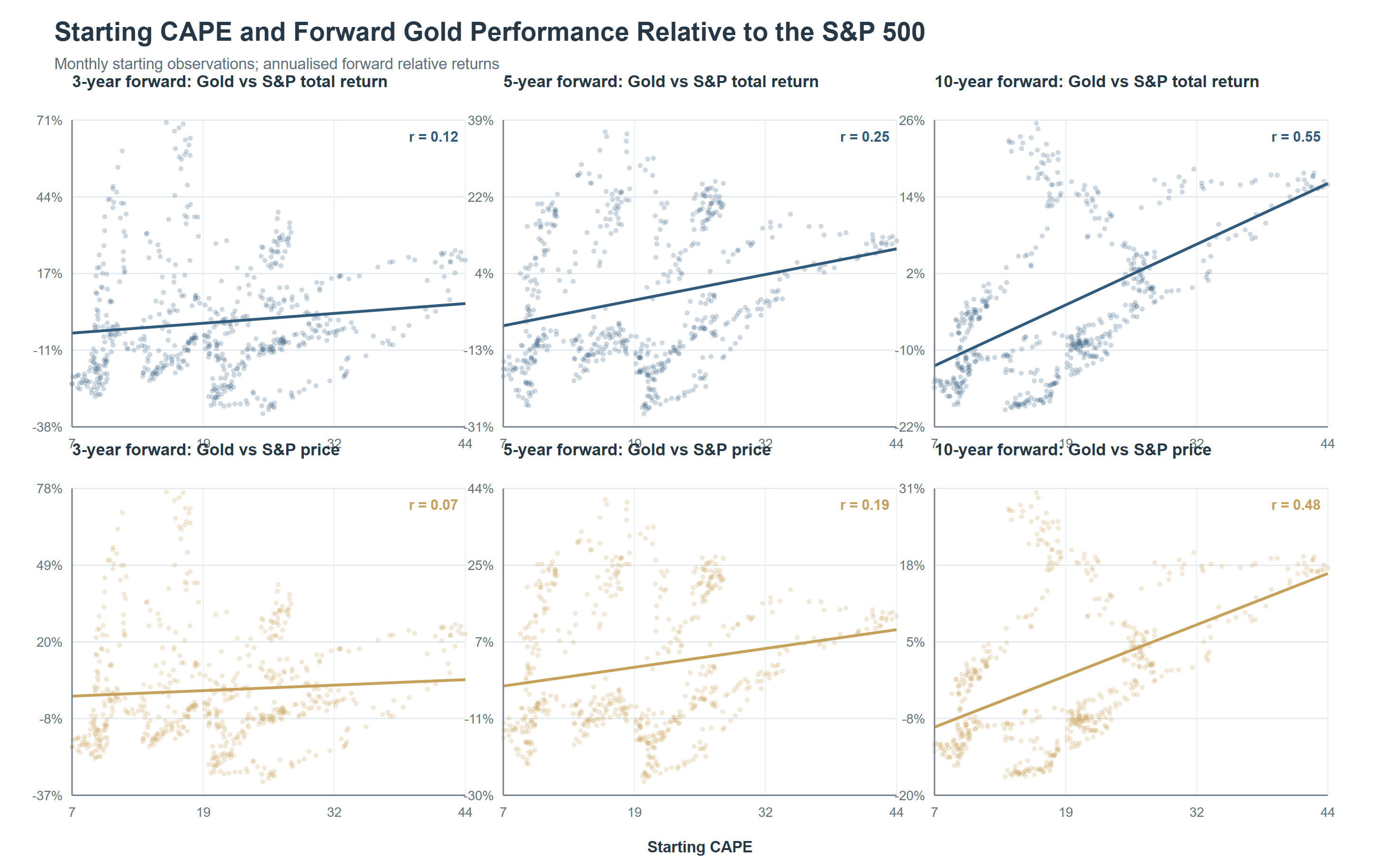
Alongside these cycle perspectives, portfolio dynamics also support continued longer-term real-money allocation. Focusing on gold relative to US equities, including on a total-return basis, it has historically proved useful to increase gold hedges as risk assets have stretched towards richer valuations. Portfolios cannot afford to sit on the sidelines during late-cycle gains, which are often among the strongest, while trying to time the market. They can’t ignore the risks either however, and so can scale their hedges.
Figure3: Starting CAPE & (overlapping) gold-equity performance at different timeframes
Source: Datastream; CE
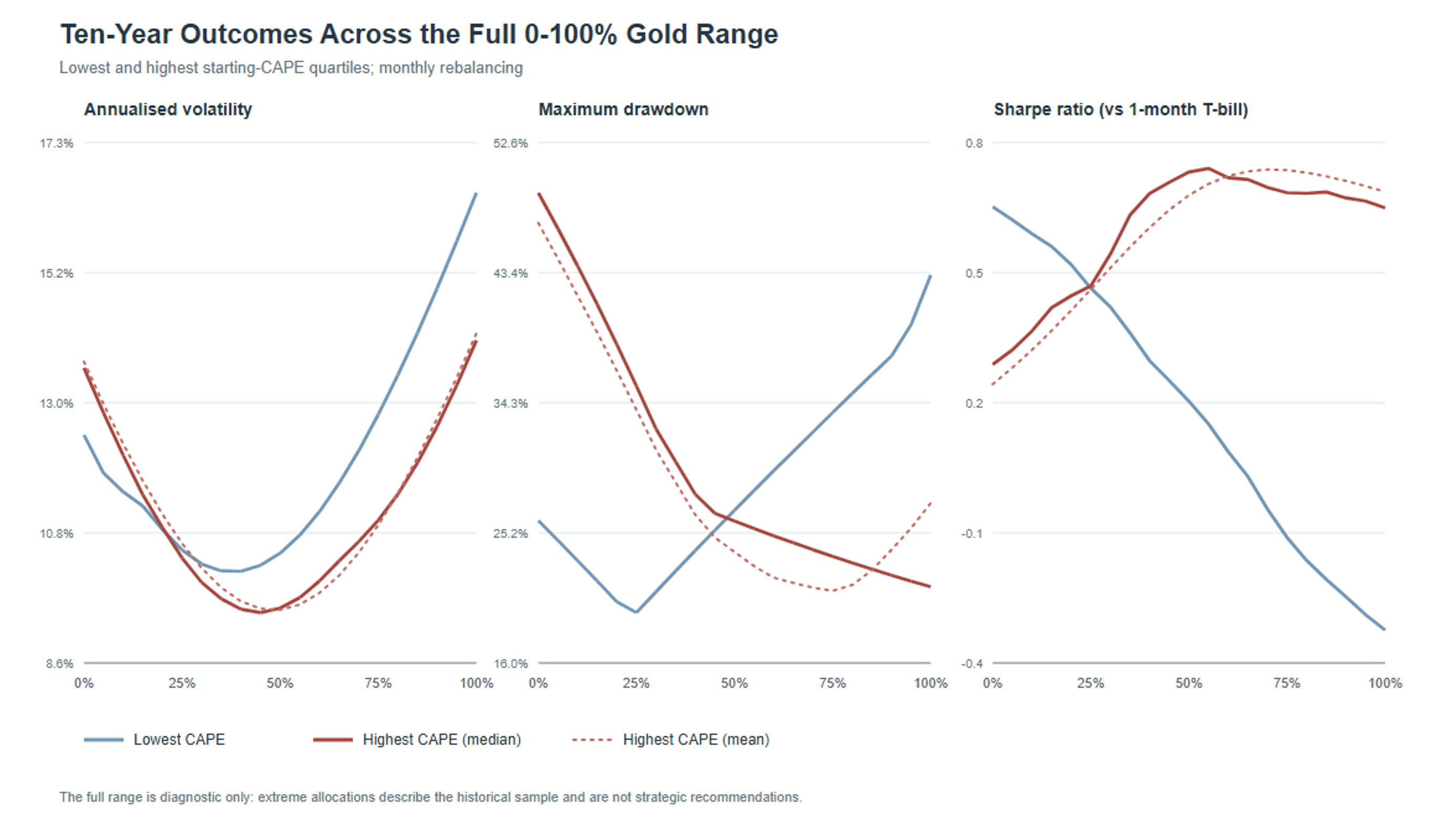
Ex-post comparisons of equity-and-gold allocations across different buckets of US CAPE valuations show that the case for a larger gold allocation generally strengthened at higher CAPE levels, most clearly in the ten-year results, although the pattern is not uniform across objectives, horizons and regimes.
In the highest-CAPE bucket, minimum-volatility points to a gold allocation of around half the portfolio. Optimisations based on risk-adjusted return or minimum drawdown produce much more extreme allocations, albeit with precise peaks varying with the measure and aggregation used, and results are somewhat mechanical. Those outcomes are best understood as descriptions of particular historical episodes in the sample, with much of the relative result driven by weaker subsequent equity returns, rather than as actionable portfolio weights. That said, cash, by contrast, reduced short-term volatility, but did not replicate gold’s stronger 5-10 year return and drawdown profiles over past episodes.
Figure4: Purely illustrative portfolio outcome curves (ex-post), at 10yr window
Source: Datastream; CE
All this needs a large health warning, as indeed do any common findings framed as “this metric after such-and-such a CAPE ratio over that time period”. The results rely on very few genuinely independent cycles, while the long forward windows overlap prodigiously. Statistically, unavoidably compromised then, as most long-horizon historical comparisons are. In this case, however, the focus is on real-money behaviour. Their own ‘past-performance are not…’ warnings aside, investors do base strategic positioning partly on past results and experiences. Even if the findings are treated as just thematic or narrative, they support the contention that real money is likely to remain a longer-term buyer, increasing gold hedges as the risk-asset-cycle accumulates and lengthens.
The second strand of the strategic case centres on fiscal concerns and the policy incentives surrounding them, an issue aggravated by the recent US buyback actions – for more on that spillover, see ‘Bessent’s Buybacks’ (here). Indeed, rich equity valuations are not necessary for gold to outperform and it has done so significantly in other inflation/debt regime windows in 70s-80s when inflation, monetary instability and currency concern have been a major focal point.
The post-Covid aftermath included elements of excessive monetary accommodation, but it has been uniquely characterised more by unprecedented easy, pro-cyclical fiscal policy and concern over the management of debt-financing costs during a period of sustained supply-side inflation and AI-related demand pressure. Concern over yield control mentality, fiscal dominance and incentives to inflate away debt is a mainstay of the gold-bull case (including some of the shriller variants of course). It is, however, a narrative with more force in late-cycle periods such as the present, when there is pressure to tighten policy rates, inflation remains persistent and real-yield and term-premium pressures bear on long-term rates (and all costly for high refinancing needs).
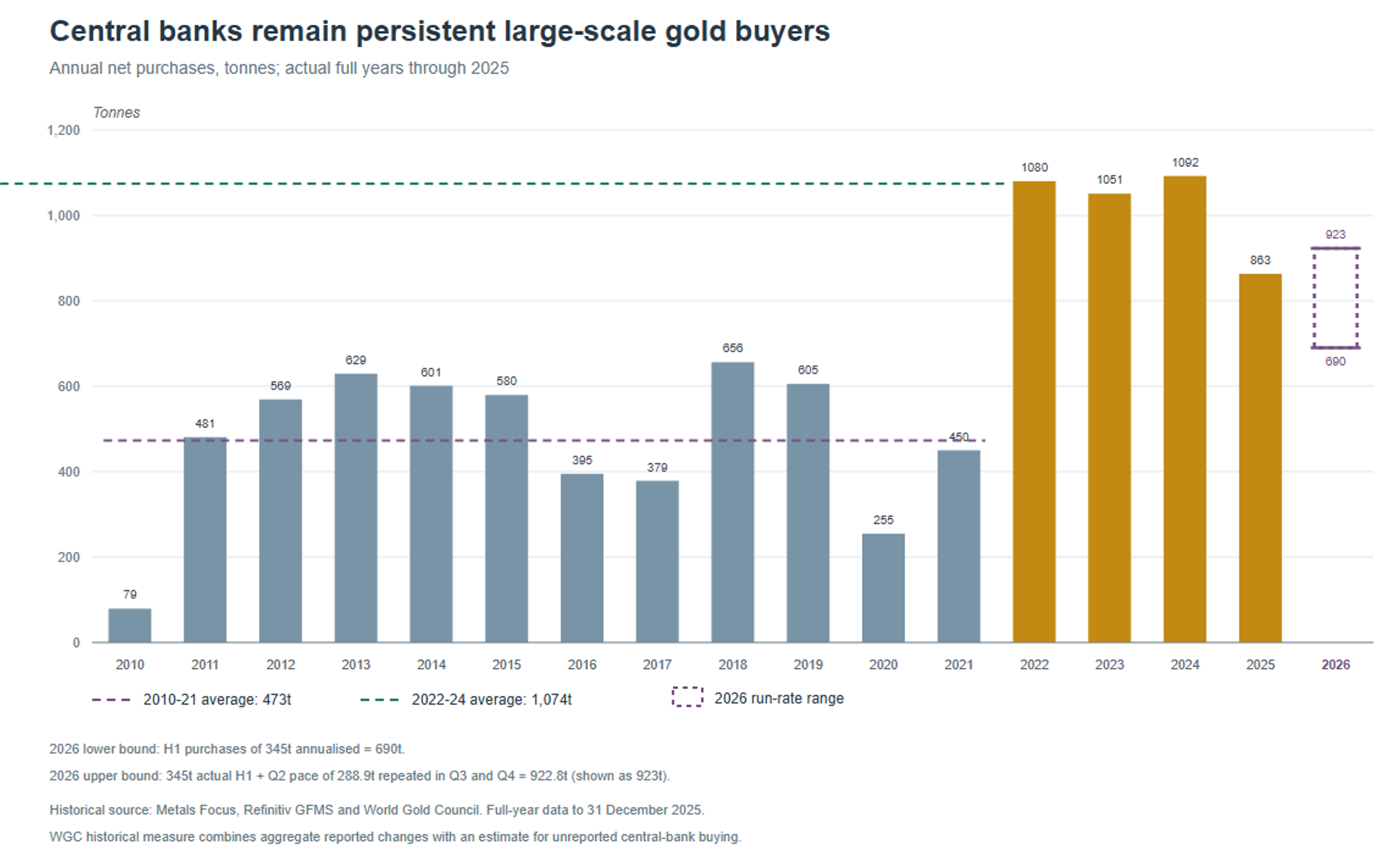
Figure5: Central bank and related annual gold purchases, WGC estimates
Source: WGC; CE
The third strand is the other mainstay: fiat currencies, and the dollar in particular. This applies both to the prospect that the next crisis, if and when one arrives, will produce more of the same central-bank and government backstops, and to the continuing incentives for dollar diversification. Trade wars, restarted with Canada; real wars, ongoing with Iran; the loss of influence in the Middle East, illustrated by the extraordinary threat directed at Oman; a diminished commitment to a “strong dollar”, as echoed again by Vice-President Vance’s recent comments; and incentives to weaken the dollar and reflate debt (the on and off re-highlighted Mar-a-Lago ‘Accord’) all contribute to the argument. These concerns are periodically pushed aside when the dollar cannot ignore episodes of “US exceptionalism” or haven gains, and are admittedly wheeled out too when gold is on the rise, but they are becoming increasingly entrenched as long-term drivers for reserve managers.
The upshot is to distinguish between the tactical and strategic allure of gold in the current phase of the cycle. Tactically, gold is having its moment and, even if not in a straight line, that could continue on and off into the new year for the reasons discussed previously. Strategically, the medium-term forces supporting accumulation by reserve holders and real-money hedgers look set to remain a slower-moving and more persistent trend while the remainder of this cycle plays out.