EZ PMI: Help From Manufacturing
· The headlines look reasonable, with the highlight being the August EZ Manufacturing PMI at 52.8 versus consensus of 51.8 (a general pick-up; help in Germany from defence spending and also some AI related output as well). This should keep reasonable expectations for Q3 GDP. However, these numbers are still below trend growth, while domestic demand has seen signs of softening with consumption hurt by lower real wages. The key for the ECB however remains the outlook for energy prices and the August 27 monetary policy accounts from the July meeting will be watched closely.
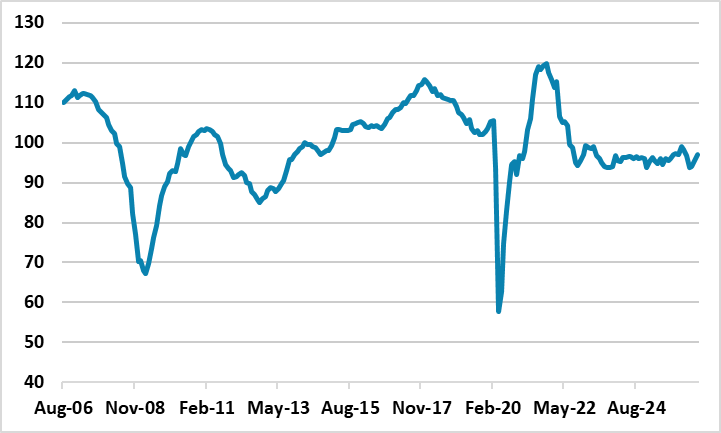
Figure 1: EZ Economic Confidence Indicator
Source: Datastream/CE
The August flash EZ PMI data has a couple of points that are worth noting.
· Reasonable but below trend growth. The headlines look reasonable, with the highlight being the August EZ Manufacturing PMI at 52.8 versus consensus of 51.8 – services was marginally better at 51.7 versus 51.5 expected. S&P noted that the manufacturing numbers came from a general pick-up; help in Germany from defence spending and also some AI related output as well. This should keep reasonable expectations for Q3 GDP. However, for context ECB Lane in the outlook for the EZ economy (here) on page 8 noted that the recent composite/manufacturing and services have been just below trend and we see this as consistent with just below trend growth. This is also the picture coming from the EZ economic confidence indicator that the ECB looks at (Figure 1). Though the flash Q2 data increased by 0.4% on the quarter, it was due to Ireland volatility again (up 3.9% on the quarter). Germany, France and Italy at 0.2% painted a more restrained picture, though Spain performed well again at 0.7%. All of this would likely leave ECB staffers fine tuning forecasts for September rather than making large scale changes, with the key uncertainty remain energy prices. However, it was encouraging that the August service sector selling prices came back down to March levels, which suggest no signs of 2nd round inflation effects.
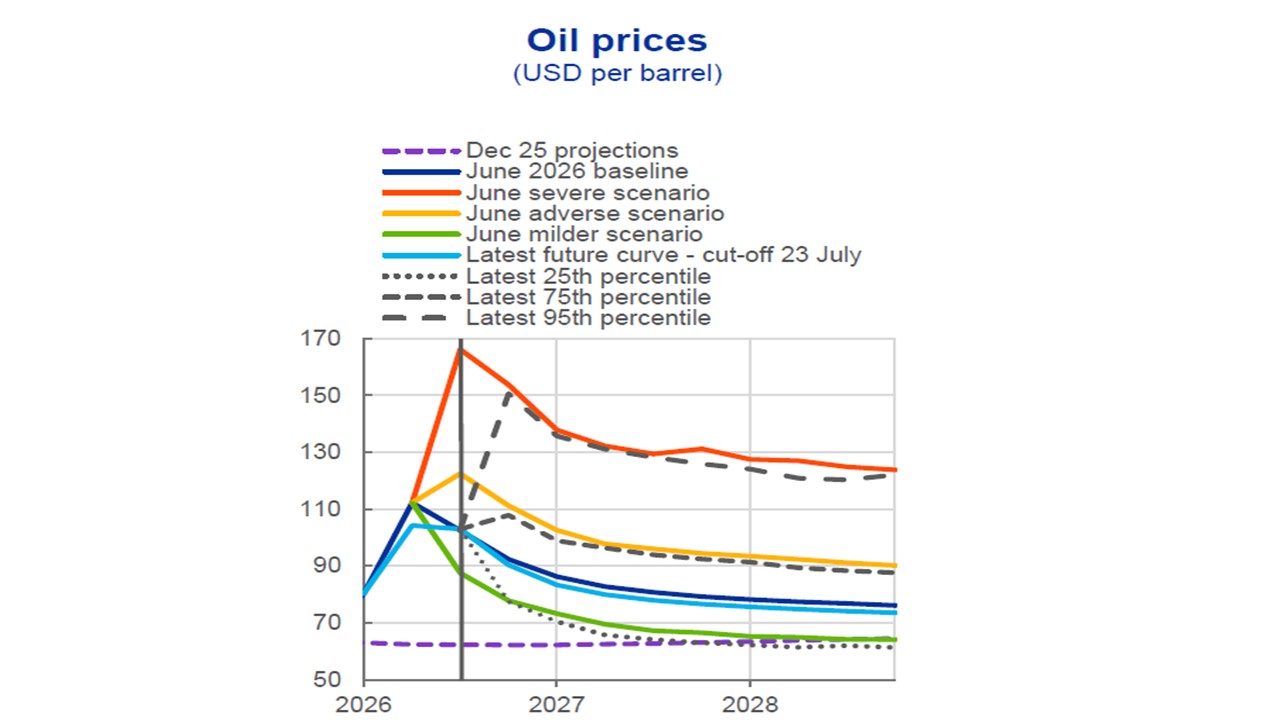
· Oil baseline, Gas adverse scenario. Oil prices have been in line with the ECB baseline scenario, despite the intermittent hostility between Iran and the U.S. and the decline in inventories. Oil demand destruction still remains in place, while oil is being shipped by pipeline and an Axios report suggest 10mln barrels per day also along the Oman coast over the last week. However, EZ natural gas prices are more in line with the adverse scenario, with TTF over the winter elevated due to the low inventory levels in Europe currently. Even so, it is worth noting that TTF gas prices for summer 2027 are 30-35% lower around EUR42, which will bring inflation relief in the 2027 ECB inflation forecasts. ECB forward guidance has been low over August and the focus will now switch to August 27 ECB accounts from the July meeting; speeches into the 1st week of September and also the flash CPI data on September 1.
Figure 2: ECB Oil Price Scenarios (USD)
Source: ECB Lane (here)