UK inflation momentum, persistence and 2nd round: BoE in ‘wait and see’
* Constructing alternative measures of inflation from the perspective of momentum, persistence, and second round expectations is useful when considering the BoE’s reaction function
* The message is partly reassuring but not fully and gives a nuanced picture
* Recent signals give time to wait and see for late year developments. Growth risks still doing the heavy lifting in keeping base rate outlook unchanged
The message coming from last week’s UK data - higher energy prices and a softer labour market - was discussed recently (here). This article zooms in to look at some alternative data viewpoints on UK inflation, focusing in on areas that are of most importance to the BoE: momentum, persistence, and second round effects.
The overall message is reassuring in aspects, less so or more equivocal in others. That’s a conclusion that fits with the Bank’s ongoing open minded ‘wait and see’ approach, pausing to see how the balance develops into the end of the year, given downside growth risks.
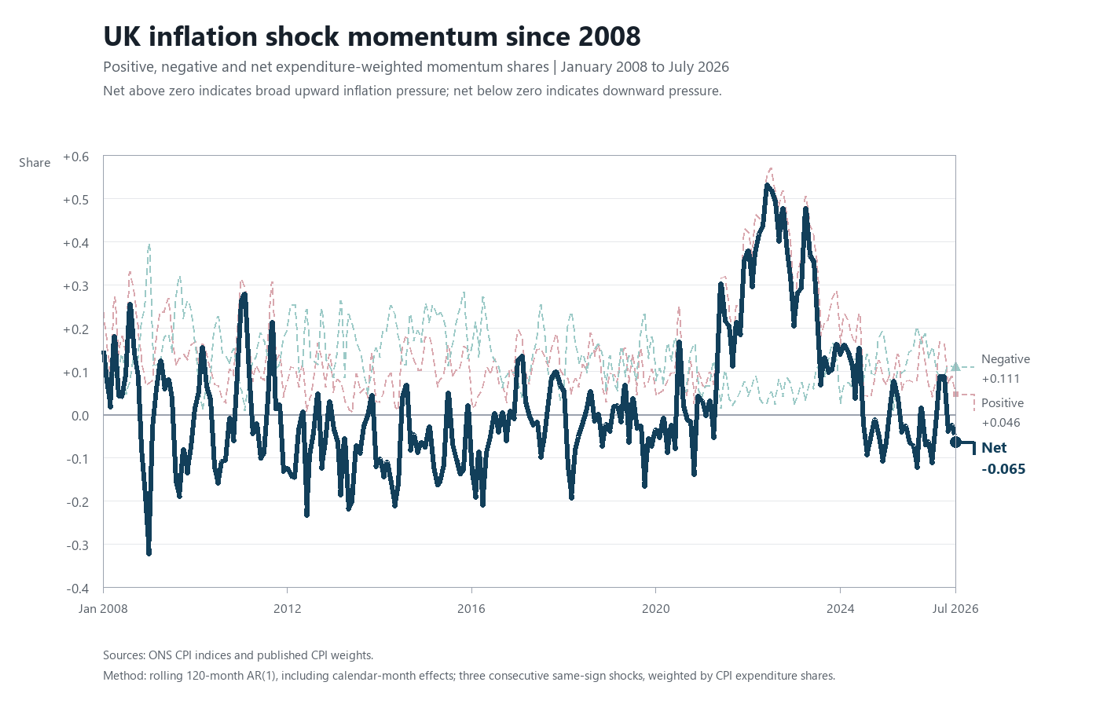
Figure 1: A basic UK version of Inflation Shock Momentum Index (ISMI)
Source: Based off SF Fed concept; ONS data; CE
To look first at momentum and breadth of inflation pressures, we first proxy a basic UK version of the Inflation Shock Momentum Index (ISMI). This measure ‘is intended to track persistent inflationary or disinflationary pressures in real time by identifying sustained directional runs in shocks to monthly inflation’. It is applied to the UK’s 85 categories and gives an expenditure-weighted net balance of components showing 3 month upward surprises to trend versus those showing downside.
The positive message here is that, even though July, the measure remained slightly negative and has been chopping round flat to negative through much of the year. That fits with a view that there is no sustained additional upward supply shock currently materialising and indeed if anything broad momentum has been flagging, thus far.
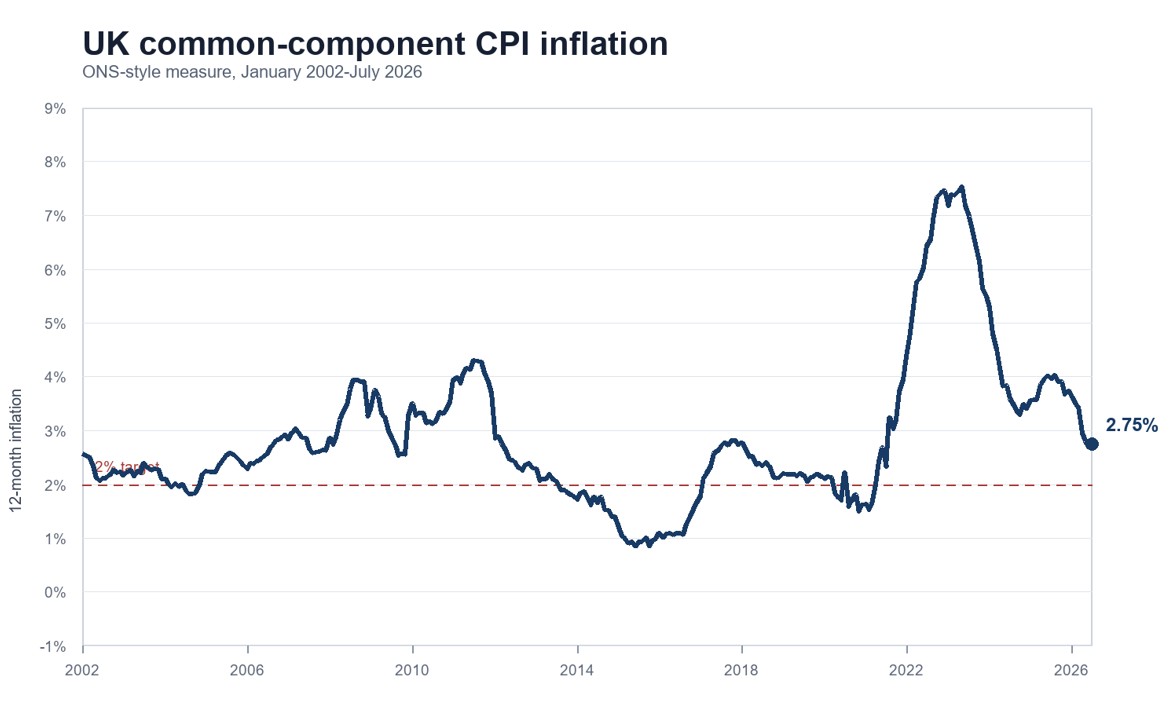
Figure 2: A version of the ONS inflation persistence common-component measure
Source: ONS CPI components, and approach
A second alternative perspective comes from reproducing and updating the ONS’s old measure of inflation persistence, which looks to estimate the common component across the CPI categories. Focusing on CPI (the original ONS measure looked at CPIH), the current common trend comes in around 2.75%.
Typically, pre-pandemic at least, this trended around ¼ pp above CPI on average, so might be considered consistent with inflation around 2 ½ %. In other words, the persistence trend in CPI has been receding rather than worsening. But it nonetheless does still remain a good ½ pp above target and could be set to remain so while global cost pressures remain a significant potential factor into the autumn and winter. That is something some on the Committee are less comfortable about leaving sit, especially after failing to be on track for target for an extended period.
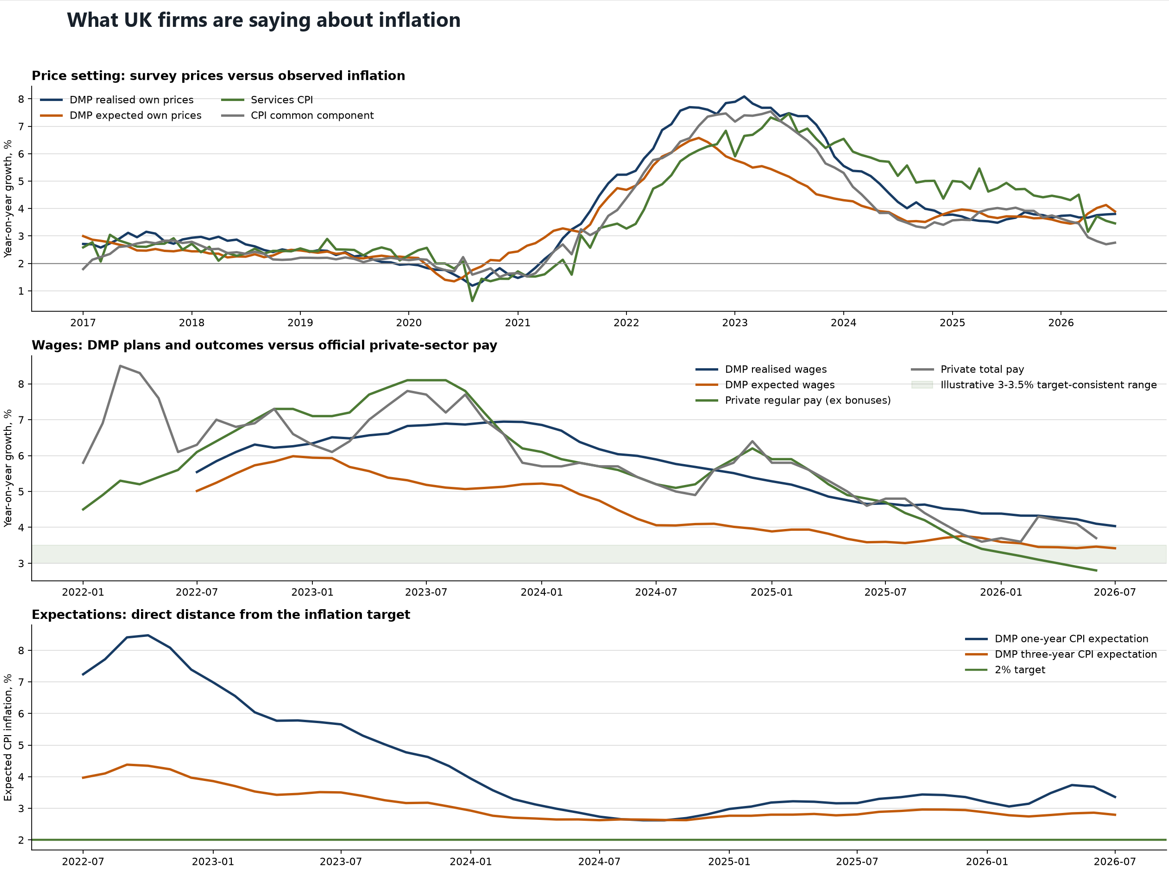
Figure 3: BoE’s Decision Makers Panel survey results vs actual data trends
Source: BoE; ONS; CE
A third view point comes from looking at the BoE’s Decision Makers Panel (DMP) survey which can provide various perspectives on second round effects and expectations. The message from this angle is also mixed.
Realised and expected wages continue to clearly decline, suggesting receding rather than increasing feed-through. The last figures are still above the latest private sector earnings trends but the survey here may actually be lagging, as year ahead expectations did drop quite steeply in the latest surveys. The actual earnings numbers may be therefore better reflecting the softening in the labour market seen, with vacancies at 5 year lows, and are now close to levels more consistent with target, at least as long as there is moderate productivity.
Inflation expectations also remain relatively low to the survey and so suggest no embedding. Three-year expectations are around 2.8%, but this is showing a bias to actual inflation target that looks quite typical of this survey to date. It’s also quite typical of other longer running major economy inflation expectations surveys in fact, where sustained gaps of ¾ to 1% over the long run are typical. As such, the declining trend here suggests expectations are still anchored.
Perhaps the main qualm is that firms’ ‘expected own prices’ have actually levelled out at still elevated levels on and around the 4% area. Over the very limited survey data sample length, the own-price measure gap to the common inflation trend has actually tended to show ‘error-correction’ type properties. That is, the gap has a correlation of just over 0.8 with the common CPI measure 12 months ahead. Lack of history and observation overlaps warns against reading too much into the data dominated by the covid period. Nonetheless, this still gives the least reassuring angle on the risks to the longer inflation outlook. Hawks on the board are most wary about this potential aspect.
Critical here, and central to the BoE outlook in general, is the extent to which evident downside growth and labour market risks can interrupt and cancel out the recursive inflation built into recent firm pricing expectations. A more reassuring angle on this comes from the DMP’s intermittent question on profit margins. Realised results are very negative and suggest cost absorption and an overall lack of pricing power, while expected are slightly positive but shows less recovery than had previously been the case in past surveys.
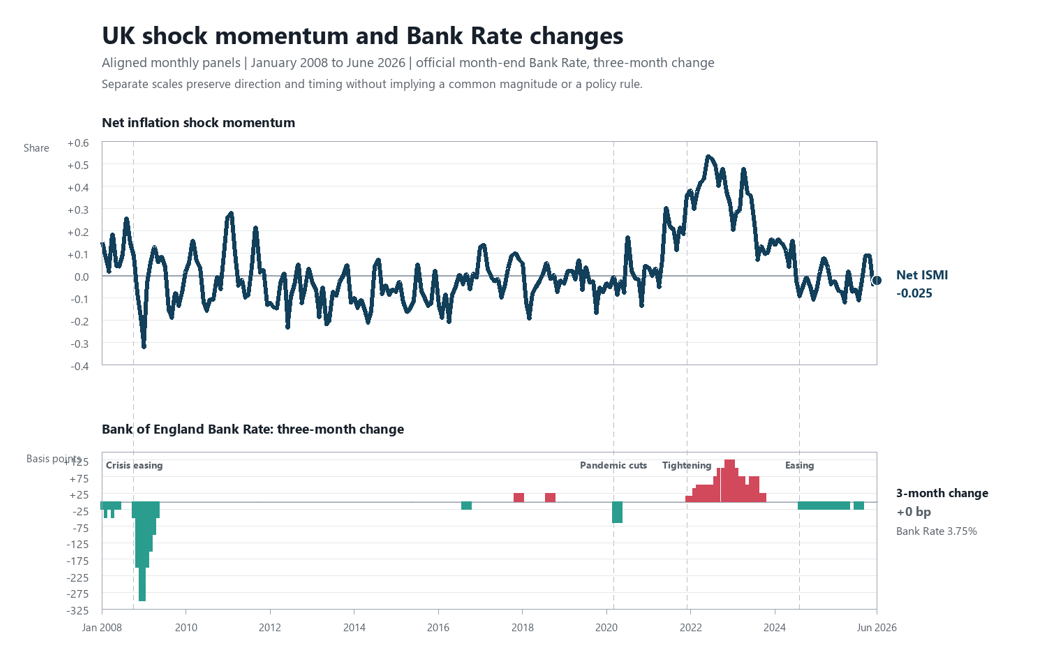
Figure 4: BoE is currently in ‘wait and see’ while no fresh CPI momentum as it views risks
Source: Based off SF Fed concept; ONS data; BoE; CE
Putting it together, inflation lacks momentum and common trends have been generally receding, if still moderately too elevated. The data keeps the BoE very much in its majority ‘wait-and-see’ mode for now, though not in agreement. Inflation risks, it has to be acknowledged, do remain into the autumn and winter from energy and food. This is especially so, as BoE analysis finds that consumers have been highly attentive to food inflation noting that it can therefore disproportionately feed into short-term inflation expectations. Downside growth risks however, evident especially in flagging lead indicators and current labour market softness, give the Bank more leeway when balancing risks. Crunch point will come in the winter. If risk sentiment is fragile, and growth is weakening by then, the Bank will stick to its view that tightening to date, reinforced by refinancing, can be sufficient.