China’s Quite 2nd Tier Banking Clean Up
· The quite though large scale action for rural banks takeover and mergers in 2025 shows that the authorities are proactive. This is good long-term, but the transition risks rural and city commercial banks restraining credit supply. Equity capital injections to 8 large state banks is designed to fill the gap, but China also has a credit demand problem in the household and private corporate sector (ex high tech manufacturing). Overall, we remain watchful of money and credit trends, but remain concerned that money supply growth is insufficient to achieve 4.5-5% real GDP growth for 2026 and 2027.
China National Financial Regulatory Administration (NFRA) announced that 640 (very largely) rural banks were merged or closed in 2025. What is happening in China banking system?
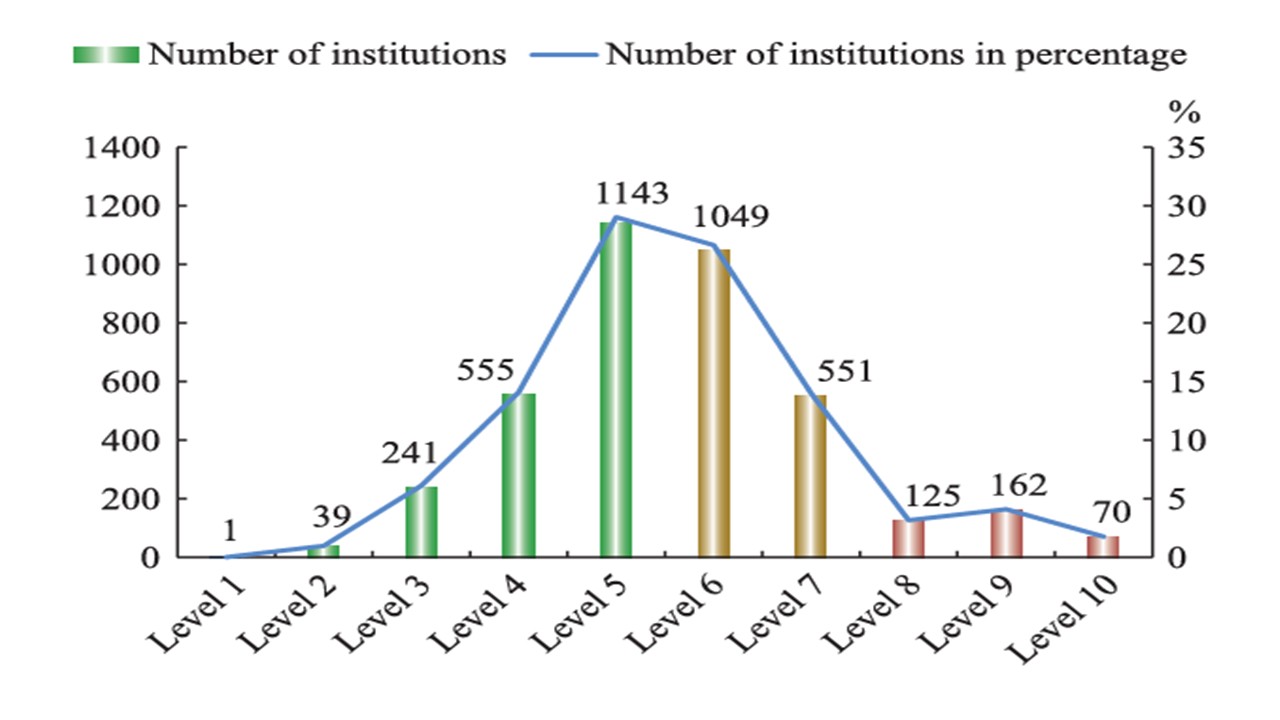
Figure 1: 2024 PBOC Ratings of Banking and Financial Institutions
Source: 2024 PBOC Financial Stability Report (here)
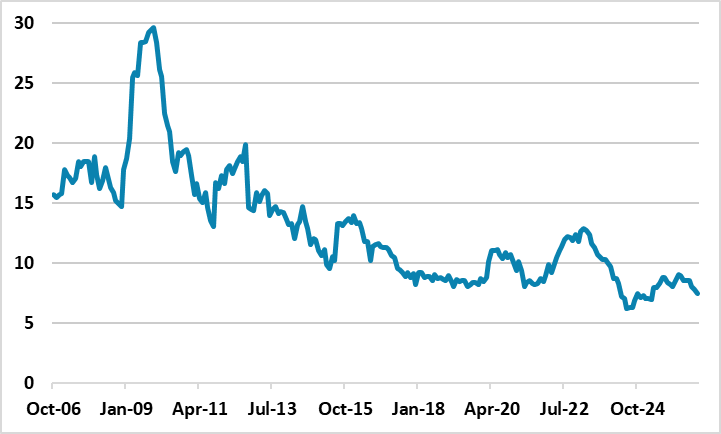
China’s authorities are cleaning up the banking system well via forced takeover and mergers. The 2024 PBOC financial stability report released in mid-October 2025 shows 357 banks with 1.78% of the assets of the banking system are in the red ratings zone (Figure 1), which are high risk and require corrective action. The quite action for takeover and mergers in 2025 shows that the authorities are acting. This is good long-term, as it helps produce more stability in the 2nd tier to the banking system. The 2025 PBOC financial stability report has not yet been released, but the 2024 report showed that the 19 domestically systemically important banks (D-SIB’s) were solid. A 2025 government equity capital injection of Y500bln to 6 large banks has been followed recently by equity capital injections to two further large banks and 2 insurance companies, which is proactive to help large banks support lending as the struggle of the weakest prompts a headwind to overall lending growth (Figure 2).
Figure 2: China M2 (Yr/Yr %)
Source: Datastream/Continuum Economics
However, the 2023 PBOC financial stability stress tests were a cause for concern. The 19 D-SIB accounting for 71% of total banking assets were largely fine in the 2023 mild and modest stress tests, but the 3966 non D-SIB’s could see widespread capital shortfalls on a moderate or severe risk scenario (Figure 3). This would not just require selective takeovers and mergers, but aggressive and large scale central government recapitalization and takeovers by the six largest banks and government asset management companies (these were used to bailout the large banks in 1997-2003) and major regional banks.
Figure 3: 2023 PBOC Stress Tests
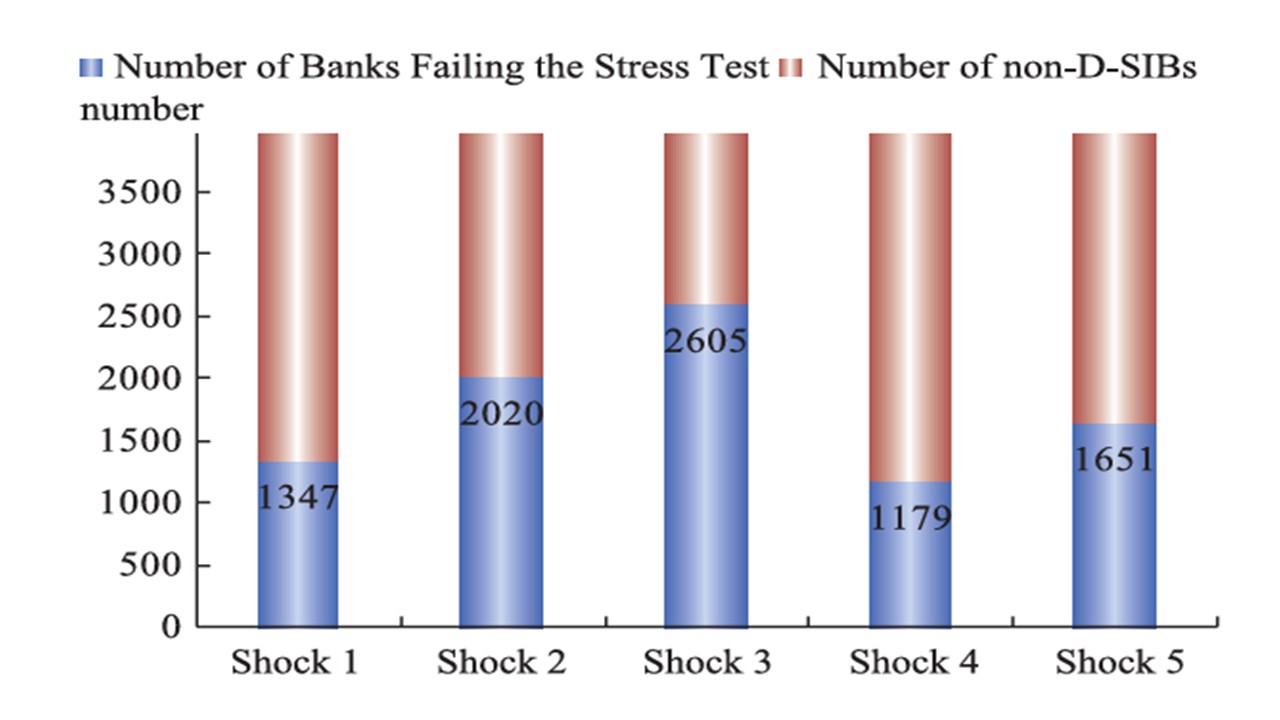
Source: PBOC Financial Stability Report 2023 Special Topic 4 Stress Tests Shock 1 NPL up 100; Shock 2 NPL’s up 200%, Shock 3 NPL’s up 400%, Shock 4 50% of Special Mentioned Loans converted to NPL’s, Shock 5 100% of Special Mentioned Loans converted to NPL’s.
China authorities have fiscal space to fill any further equity shortfall if an adverse scenario occurs e.g. sub 3% GDP growth/surging NPL’s. All this underlines that the long and controlled restructuring in weaker banks, which is unlikely to cause a banking crisis but will remain a headwind to lending growth.
China also has a credit demand problem. Firstly, though the situation is becoming less acute in the housing sector, sentiment is still weak with a multi-year overhang of property; declining house prices and shaken confidence in builders. This will take years to repair, alongside household overall desire to not increase debt burdens – household lending growth is close to zero, which is a disaster for a middle income country. Secondly, private sector companies are less willing to invest than the 1990-2019 period, both due to economic volatility post COVID and a lingering sense that China authorities do not favor the private sector outside of favoured high tech manufacturing. Thirdly, LGFV’s weak debt is massive due to poor investment decisions. The latest IMF FSAP in April 2025, estimated that 39-45% of debt was in trouble. The IMF has not taken account of the Yuan10trn government debt swap that largely deals with the weak LGFV problems, but this scales in over 5 years and weak LGFV’s may not quickly switch from paying debt down to new normal borrowing.
Overall, we remain watchful of money and credit trends, but remain concerned that money supply growth is insufficient to achieve 4.5-5% real GDP growth for 2026 and 2027.