FX Weekly Strategy: Asia, Nov 2-6
Pressure on tech, leading to choppy action, but overall weight on dollar; JPY and CHF benefit
BoE hike seen as more of a one off and possible one-and-done.
US election a wild card, though no settled view on impact. At margin, some scenarios would add to risk-off mood
The flurry of central bank action from last week brought some snippets of interest. A mixed ECB meeting - with slightly dovish statement, and then slightly hawkish press conference - was followed by Reuters ‘sources’ suggesting that the circle is squared by a Dec hike as a given but then not much if any further hiking after, to reflect the impact of financial tightening seen so far.

Data points since have been a mixed bag with areas of growth and inflation upside, and areas of downside (softer German CPI and negative French GDP within the overall strength). Already a possible story of growing intra-zone macro dispersion, to mirror the headaches on the market side.
That would actually ‘talk our book’ if that is what transpires, though there is a long way to go and prospects of many changes to the financial landscape before we reach those decision points.
Fed outcome likewise could be easily accommodated within our narrative (Dec hike, but market too hawkish thereafter), though here the US data flow clearly remains very strong in terms of activity and elevated inflation, so the macro story still needs to change to backup that hypothesis.
The bigger story though, and echoing back to a key theme we discussed over the last couple of Weeklies, has been the outsized volatility and pressure coming in now on the US tech side.
Heavy AI build out and negative free cash are really coming back to bite with some of the largest single name plunges of recent times, led by Alphabet and then Intel with drops in the order of 30%. Microsoft highlighted how important revenue-conversion (in their case cloud) and net cash are for a market increasingly focused on cash over growth-story. This week sees Apple, Advanced Micro Devices and Qualcomm, so it will be interesting to see how the market reacts to names that both benefit from the current cornered market but also remain reliant on it, and the resilience of the consumer in Apple’s case.
Into the close of last week, Nasdaq wasn’t looking too healthy unless this can quickly prove to be a retail-flush out spike and bounce back into range. Absent that, charts look a little ugly. The recent range break can extend back into 28k~ area on the e-mini, and below the end July lows would be more outright bearish still. Structure wise, recent developments increasingly look quite like a top development on the current timeframe.
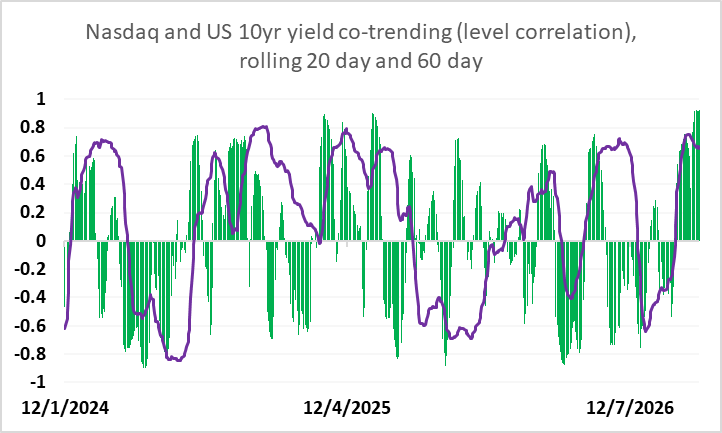
Current FX action is choppy and there are definitely competing forces, including potentially accelerating flows into USTs (perception of risk-reward into the high yields on offer tend to turn sharply along with momentum). Overall however, recent dynamics have been shifting in favour of the dollar trading pro-cyclically with AI/tech risk at present, amplified through yield responsiveness, with JPY and then CHF the renewed haven beneficiaries.
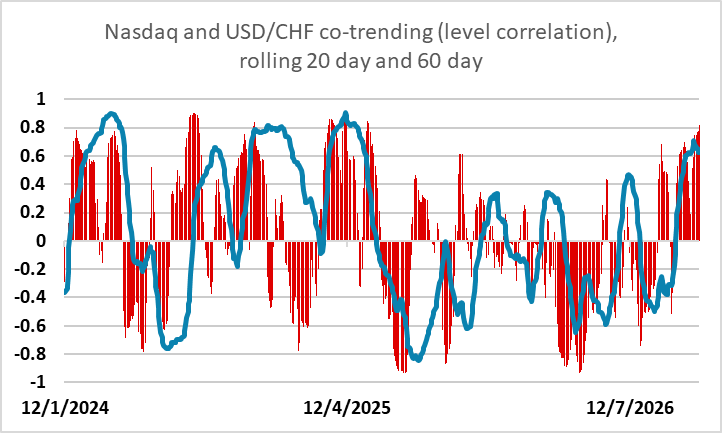
US-led exceptionally driving up yields but with little reliable spillover to risk so driving up the dollar as the story earlier in the year has segued more to AI cash burn concerns fuelling the equity pullback and dip back into cheaper bonds, pulling down yields and the dollar. It’s the euro baggage via France (note its standout negative GDP last week) that continues to leave it struggling within the majors regardless.
Net story remains a shuffle of the pack where yen and then Swiss franc, beaten up in happier low vol risk-on times, look set to remain in the box seat. US elections could be a wild card. But with the market in its current mood, either a Democrat clean sweep - seen tempering ongoing fiscal escalation - or a messy post-vote results-fight, creating noise and uncertainty, are among the scenarios that could go with the grain of those winners, as well as US yield retreat and equity heaviness.
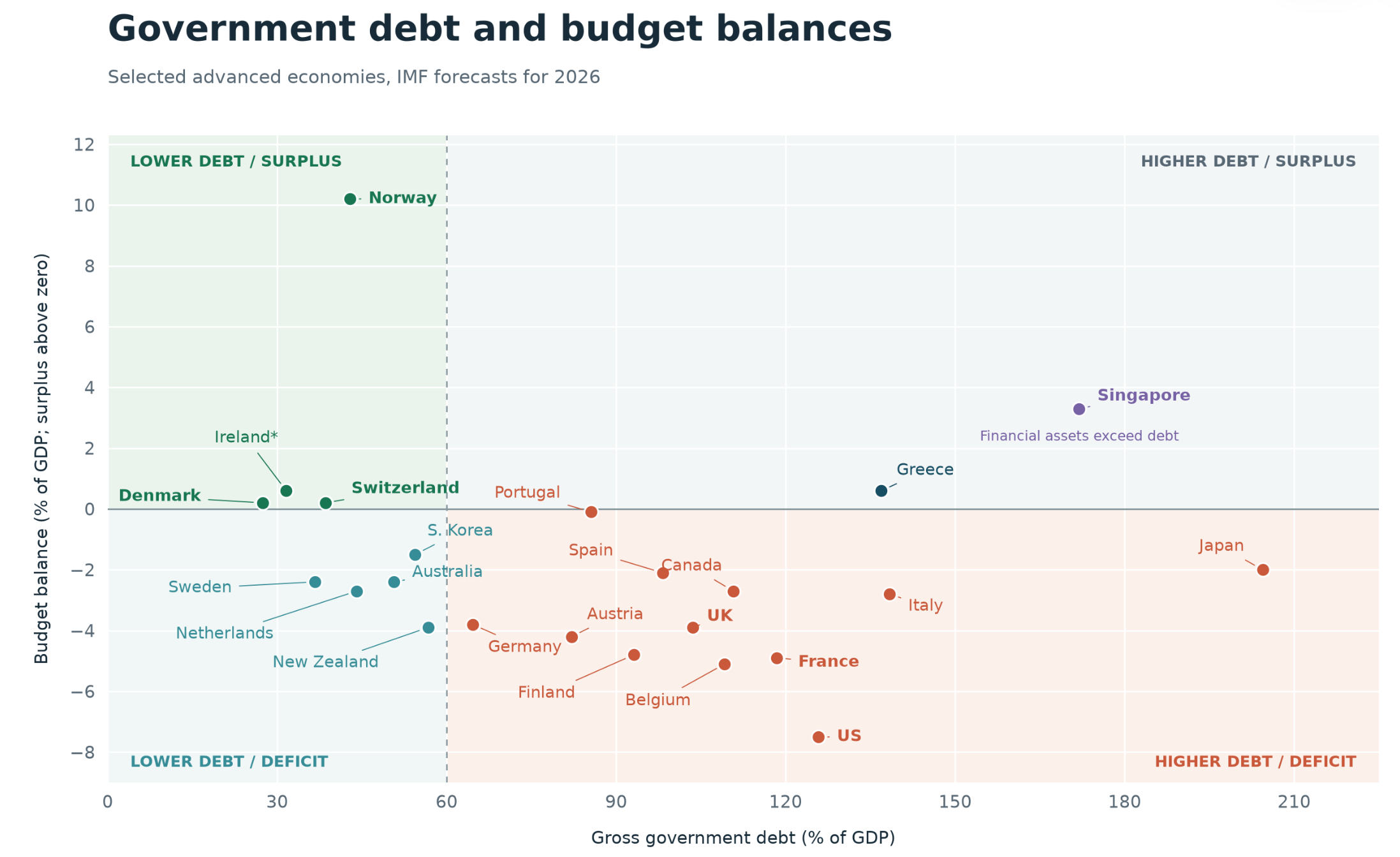
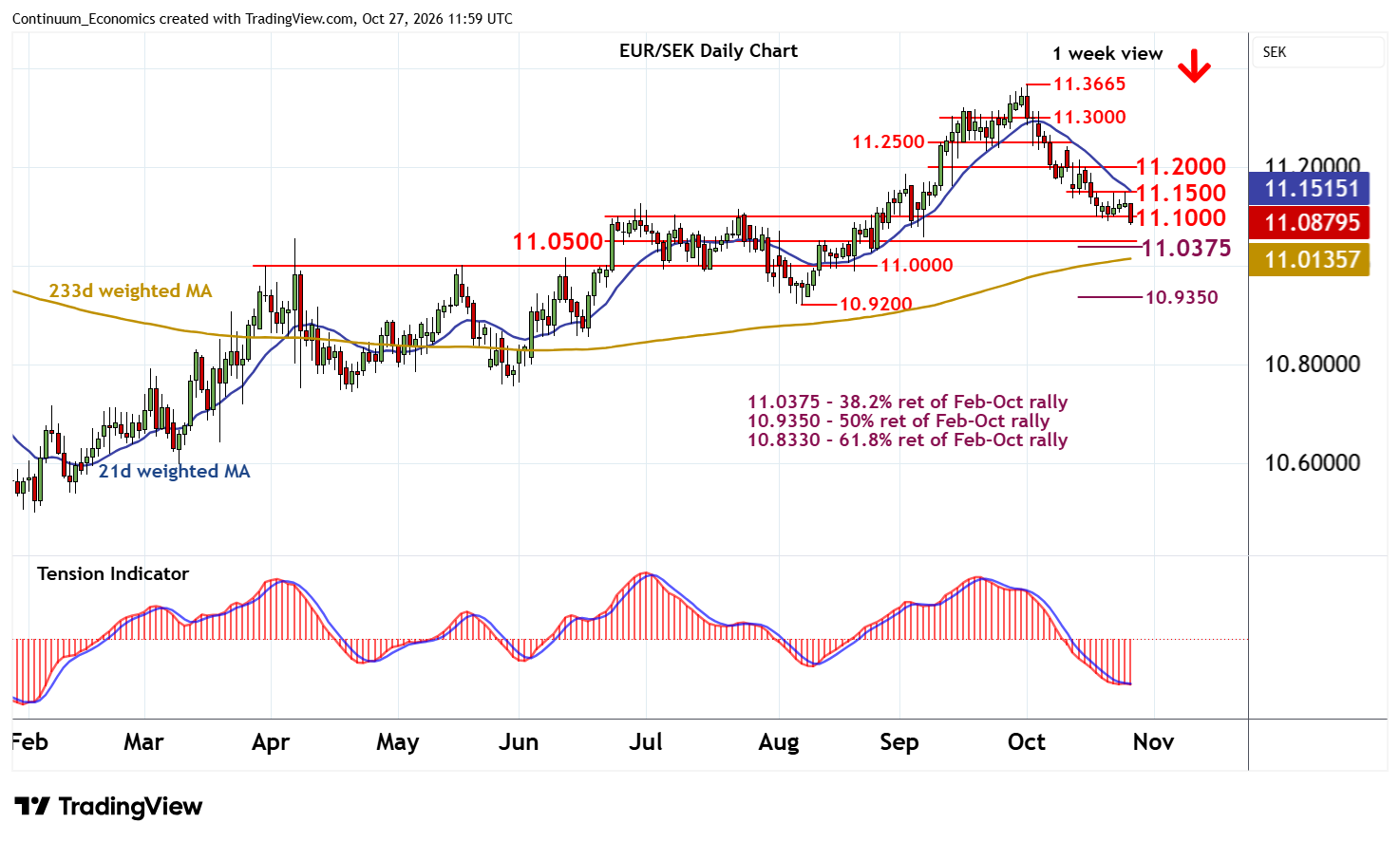
Elsewhere in Europe, the market currently prices the Riksbank as 85-90% chance of a hike and then roughly ‘a quarter a quarter’ heading into the middle of next year. While keeping an eye on broader risk, EUR/SEK has been in trend-down mode amid the euro woes (as discussed in the weekly a few weeks ago, Sweden fares pretty well on the saints vs sinners fiscal scale, at least when it can avoid unfair contagion). Around 10.9~ were the Aug lows as well as in the area of the 50% retracement of 2026’s rally, with 10.85/8 region the 61.8% and mid-June lows region.
While Norges’ Bank is seen on hold this meeting, Norway’s further trend outperformance still has been nudging the Nov22 highs on NOK/SEK and here oil remains more critical with the market waiting to fully digest how the outcome of the Israel and the US election play into Iran and the geopolitical framing for prospects of escalation vs de-escalation in the region. This cross is at a key zone for either extension to the big 1.1 highs or reversal depending on the critical developments for energy post November.
Sterling is a tricky one meanwhile. In terms of the BoE, there is a real danger of ‘buy the rumour sell the fact’, with a very real possibility of a ‘dovish hike’. Even hawks on the board have already expressed their scepticism over how much further tightening is priced in, so there may be some temptation for the MPC and for Bailey’s press conference to spin this as a one-off adjustment that should not imply the assumption of more.
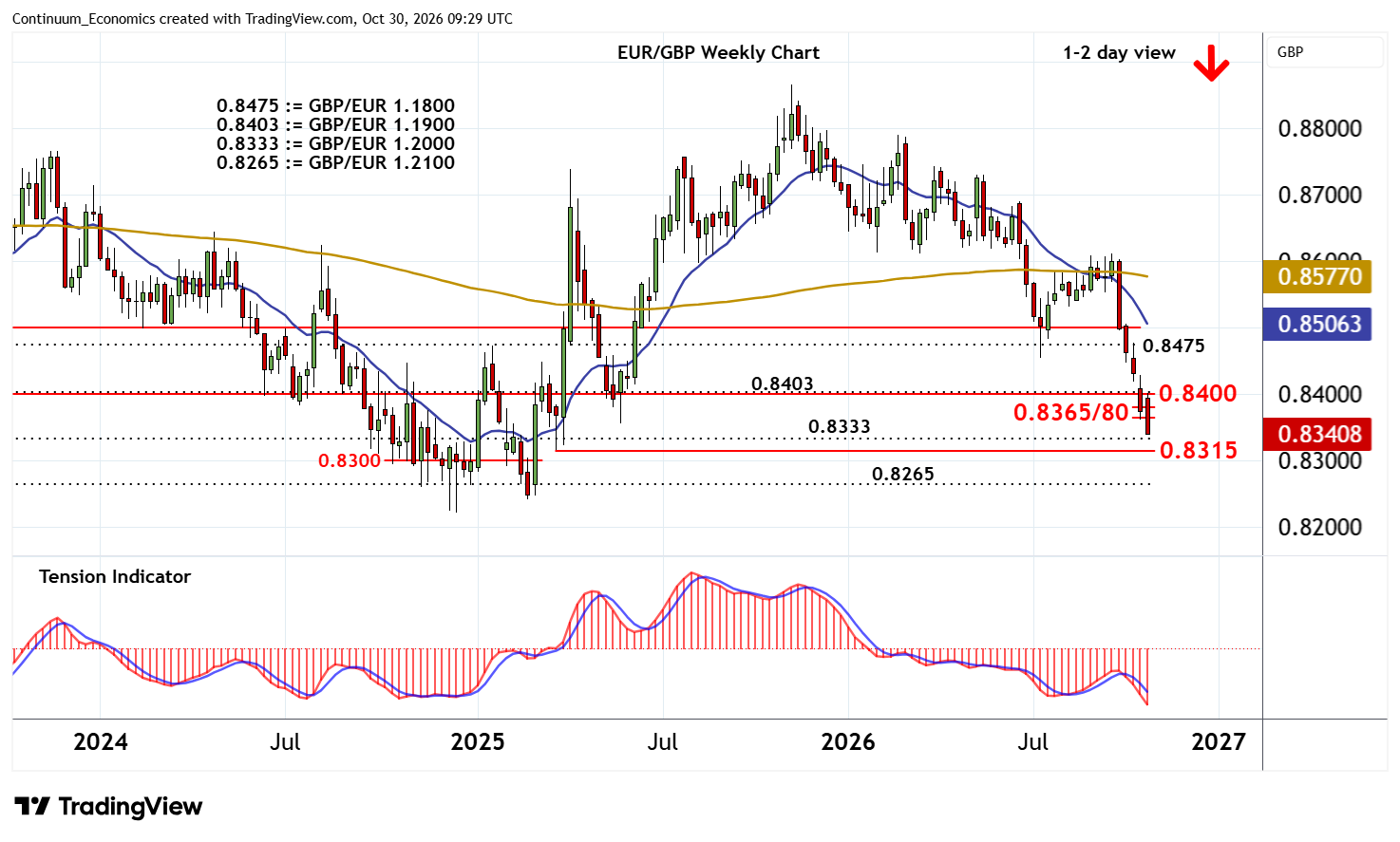
For all that, chart action on cable and, still, EUR/GBP remain positive, the latter yet to show a break in its trend-down action, albeit tagging the 1.2 GBP/EUR level and becoming overstretched in the process. As such, any sell the fact may have to be limited to relatively brief unwinding of overbought conditions.
Week Ahead
USA
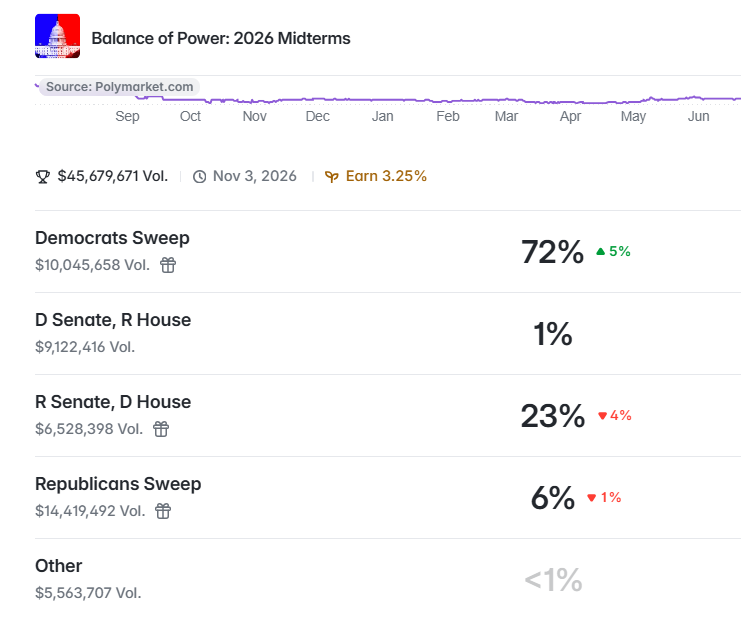
Data focus will be on employment, but ahead of Friday’s non-farm payroll eyes will be on the midterm elections. Democrats look highly likely to take control of the House and have a greater than even chance of taking the Senate too. Just one chamber in Democratic hands would be enough to ensure divided government and little serious prospect of any serious policy initiatives for the next two years. Whether Trump tries to contest the results could cause some anxieties, but unless the results are very close any attempt to reverse them is likely to fail.
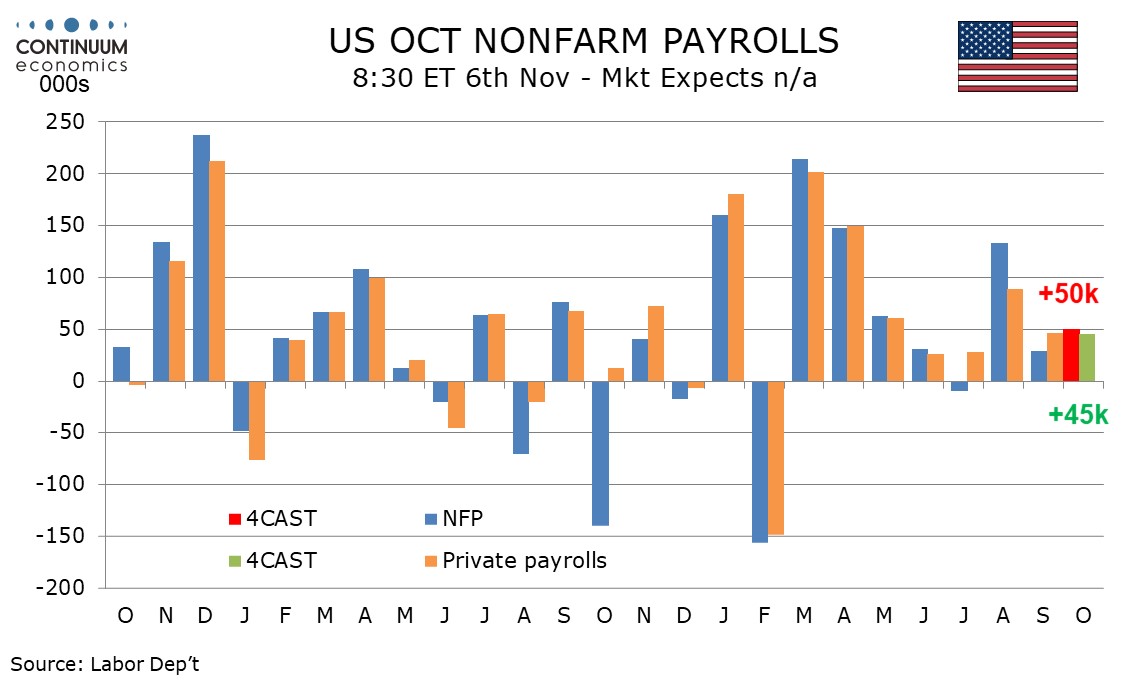
We expect a moderate 50k increase in Friday’s non-farm payroll for October, 45k in the private sector with an unchanged 4.2% unemployment rate and a 0.2% increase in average hourly earnings. Other labor market indicators due are September job openings on Tuesday, and October’s AP estimate of private sector payrolls, which we see at 65k. Thursday sees weekly initial claims and the Q3 productivity and costs report.
October ISM surveys are due, and we expect little change, manufacturing on Monday steady at 54.5 and services on Wednesday at 55.0 from 54.9. September data sees construction spending on Monday and factory orders on Tuesday. On Wednesday we expect September’s trade deficit to increase to $107.9bn from $105.6bn. The preliminary November Michigan CSI is due on Friday. Fed speakers will be closely watched. Goolsbee is due on Monday while Thursday sees Barkin, Hammack and Logan. Williams and Musalem speak on Friday.
CANADA
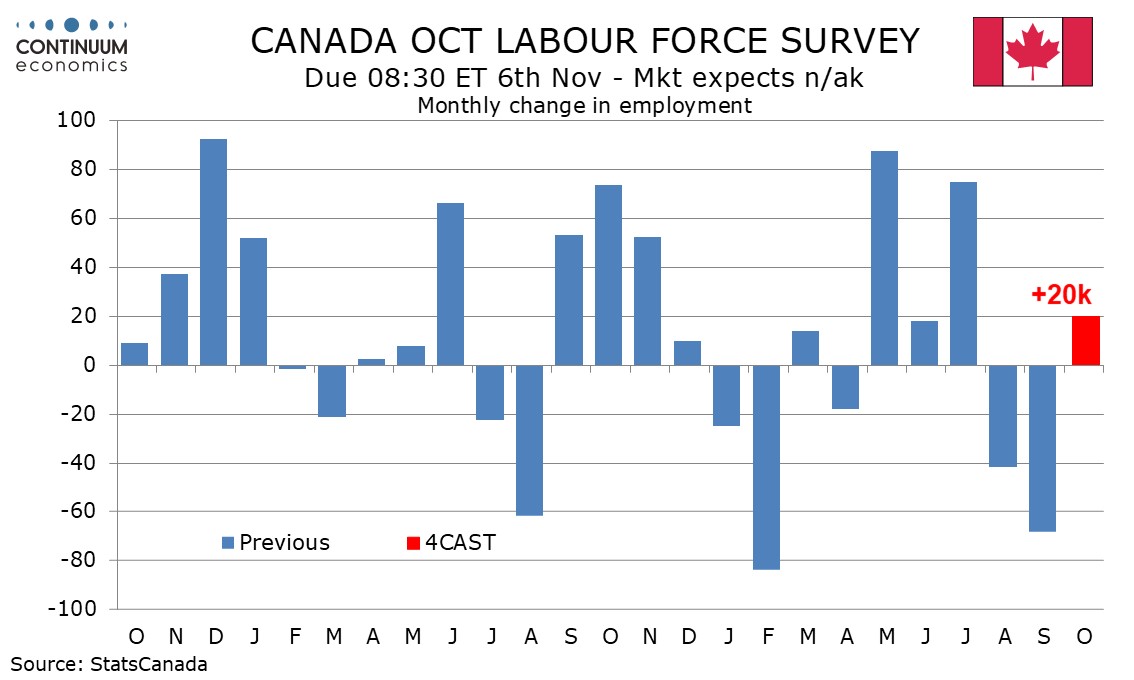
Canada’s key data release comes from Friday’s employment report, where we expect a 20k increase to correct two straight declines, with an unchanged unemployment rate of 6.5%. September’s trade balance is due on Wednesday. On Thursday the Federal budget will be released.
Eurozone
A relatively quiet calendar next week with the highlight being the inflation release for October. A further increase is likely in the headline rate from the current 3.8% with markets also keeping an eye on moves in the underlying CPI rate.
UK
The main event next week will be the BoE interest rate decision. Markets are pricing in a 25bp hike to 4% in November with 3 further 25bp moves by the end of next year to take rates to 4.75%. We still think the BoE will peak at 4%.