Money supply - Fed Invites an Awkward Ex Back into its Life
* Following the ‘Easter egg’ M2 reference, Warsh has made clear that ‘money matters’
* But while M2 was name-checked and described as benign, broader measures have been running strongly, well above the referenced 2010 norms
* M4 Divisia gives one of the better currently available measures, consistent with very robust nominal GDP
* Supports the view, that the Fed is converging on, that current policy is not restrictive. Warsh may have talked himself into a hike
Dust off the shoulder pads, the early 1980s are returning, one theme at a time. Inflation, deficits, defence spending, supply shocks and energy disruptions are all part of the mix. And now to complete the retro revival, monetarism, or at least a dabbling in monetary aggregates, is staging a comeback.
Much attention has therefore been given to the impromptu reappearance of money supply in the Federal Reserve’s latest Monetary Policy Report, reputedly its first substantive mention of M2 in a decade. Kevin Warsh called it an ‘Easter egg’.
At Jackson Hole, he elaborated further, putting ‘money matters’ among his principles for monetary policy, arguing the Fed should pay attention to both money created by the central bank and, rightly, to money generated throughout banking/financial system. Financial innovation has made this even more challenging but that’s no reason to turn a blind eye. Warsh is not proposing going ‘full Milton Friedman’ on us, but rather flagging monetary aggregates deserve a place in the ‘mosaic’ of evidence.
The renewed interest is understandable and arguably much needed. The blow out of money during the pandemic is difficult to reconcile with an entirely money-free account of subsequent inflation, while monetary trends have frequently signposted balance-sheet and leverage conditions and risks beneath the financial cycle surface.
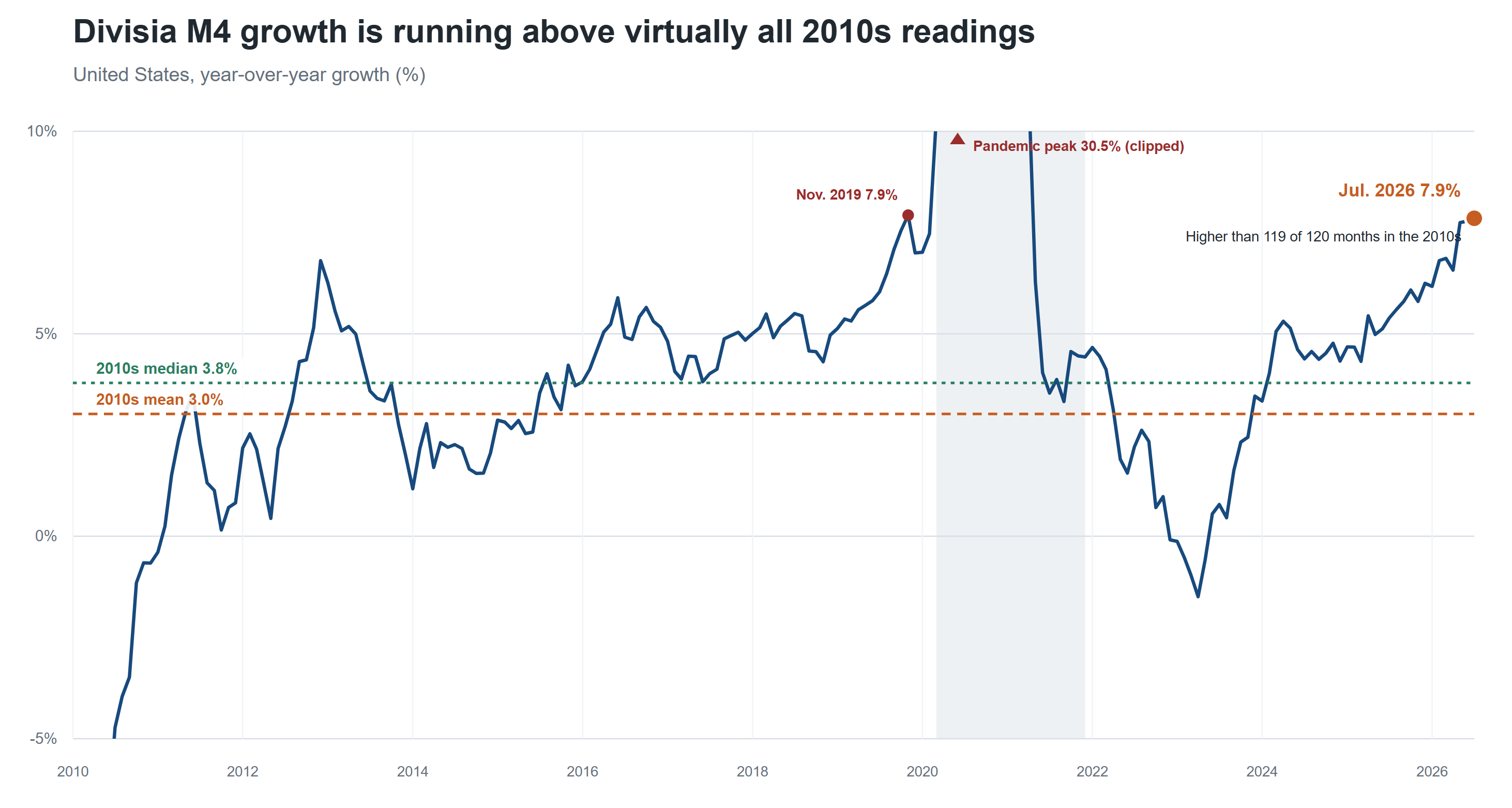
Figure1: M2 may be benign but M4 Divisia is much higher than the 2010s
Source: Centre for Financial Stability; CE
Reopening that door does bring back all the old difficulties of course, more so than ever: velocity, uncertain transmissions to real/inflation/financial components, Goodhart’s Law - another blast from the past.
It also raises another familiar question of what money to focus on. The Fed report picked out standard M2, characterising its recent growth in the very benign terms of ‘close to the range typical of the 2010s’.
That’s true as far as it goes, but it is selectively reassuring. As Warsh highlights, financial innovation means that liquidity is harder than ever to pin down, let alone quantify. But that granted, you have to at least attempt to give weight to the elements that are observable.
M4 Divisia is one such measure, a privately produced series that extends beyond M2 to include elements like money-market funds, large deposits, repurchase agreements, commercial paper and even (topically) Treasury bills.
The ‘Divisia’ aspect of the measure is the calculation tweak that adds a functional slant. Rather than simply adding up the dollar components, the index weights them according to ‘money services’, which is inferred from its ‘opportunity cost’ (broadly speaking, the interest forgone by holding it instead of the highest yielding safe alternative).
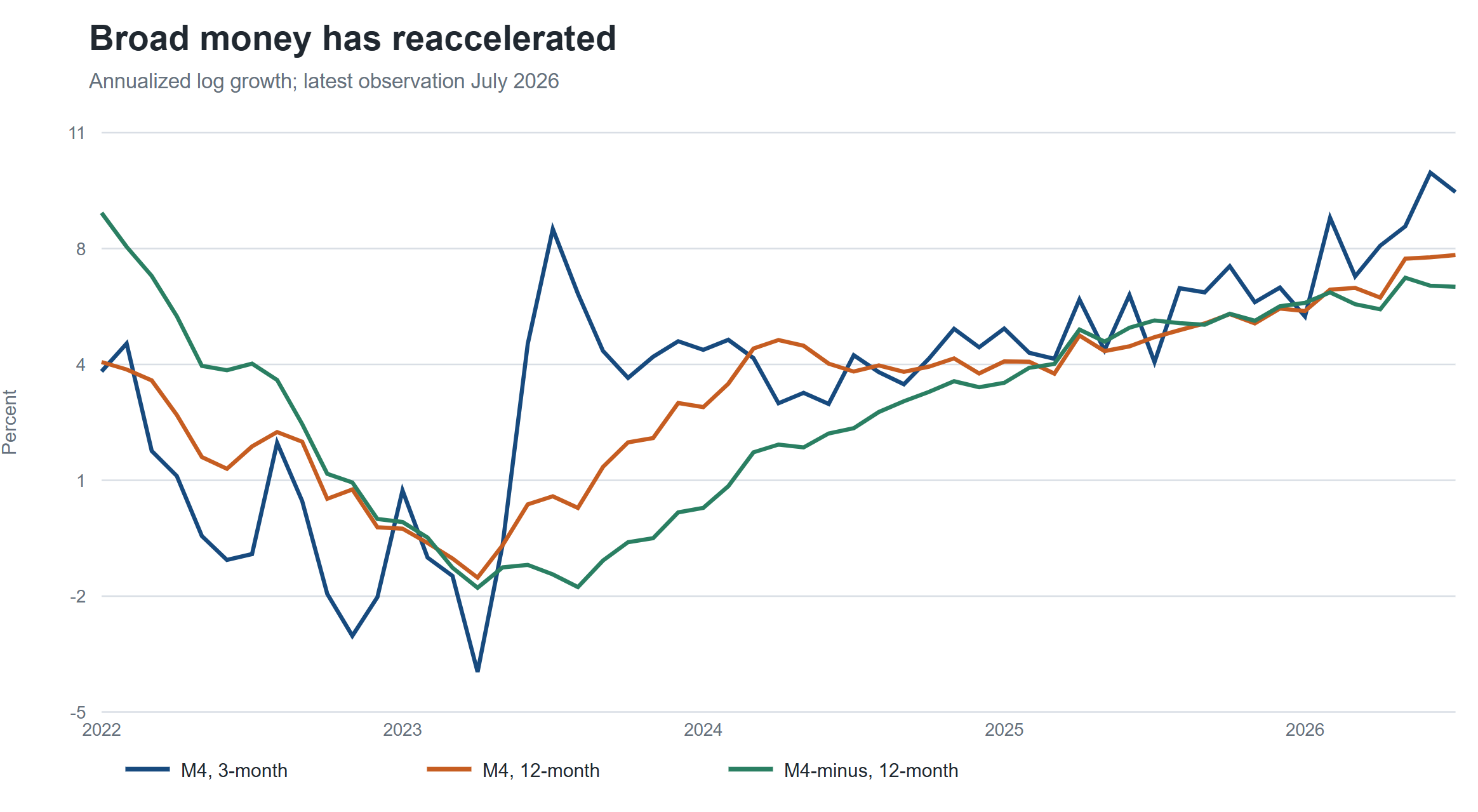
Figure2: Recent pace of M4 Divisia picking up again
Source: Centre for Financial Stability; CE
This doesn’t fix all the shortcomings of capturing modern liquidity (shadow finance/money) with their observability and double measurement challenges, nor the standard money translation challenges. Nonetheless, it seems a better choice than the Fed’s M2 reference and maybe a better stab at achieving Warsh’s ‘best efforts’ version, at least until the Fed thinks up some new alternatives. And on this measure, the contrast with M2 is marked.
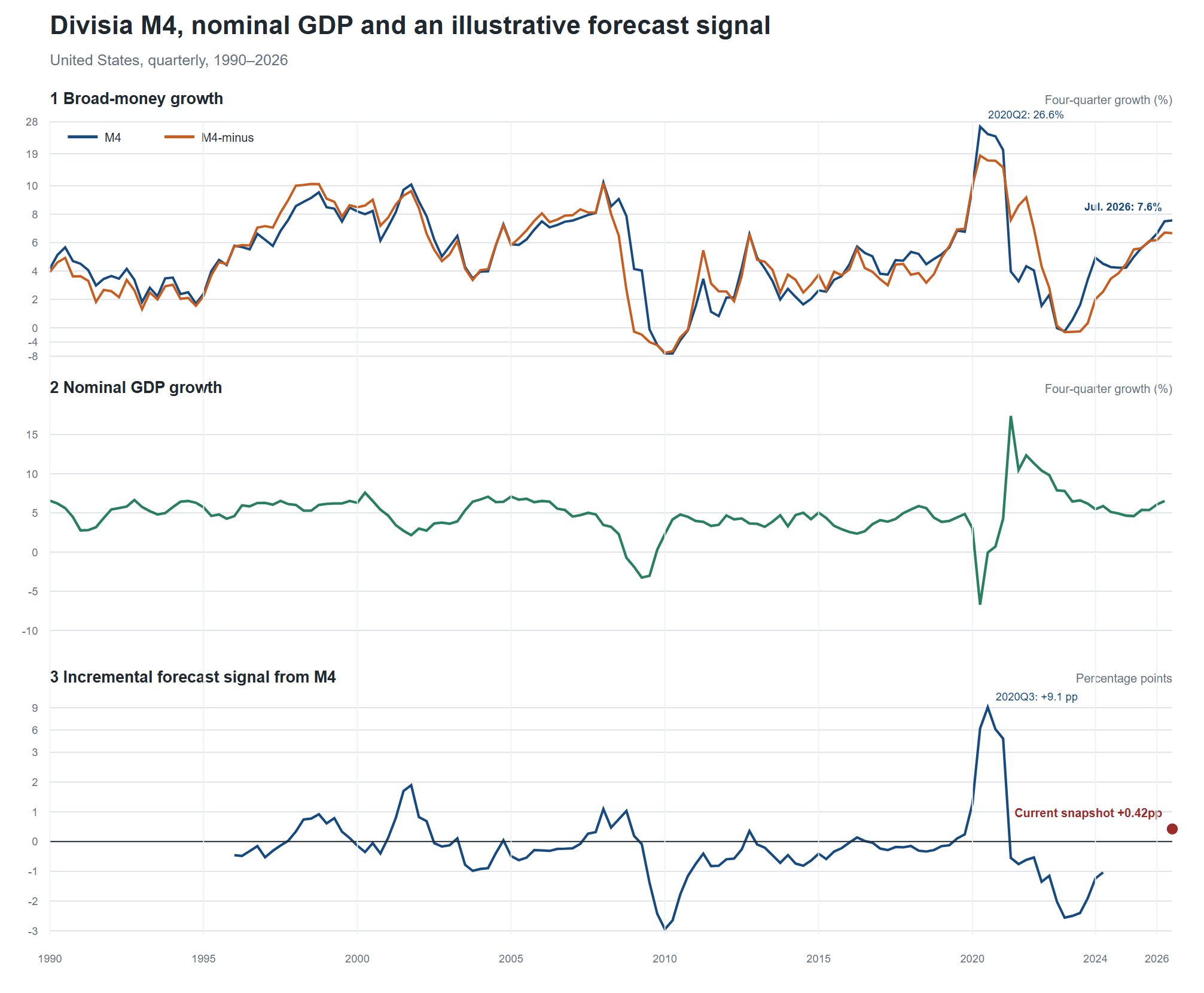
Figure3: Brisk M4 loosely consistent with robust nominal GDP
Source: Centre for Financial Stability; CE
Divisia M4 was around 7.9%y/y as of July, faster than all but one monthly reading recorded during the 2010s (to re-use the Fed’s reference period); Divisia M4-minus, which excludes Treasury bills, is around 6.9%y/y and likewise top of that period’s distribution.
Shorter, if therefore noisier, trends also look to have been picking up too, 9.3% 3mth annualised, 8.6% 6mth annualised, Tbills adding more to those recent short-term trends (something that could extend if twist like approaches to bonds extend further).
Current M4 is nowhere near the pandemic surge, but that is not the right benchmark for normal. In any other terms, the pace is best described as fairly high (80th percentile since 1990), increasingly rapid of late, and on recent relationships consistent with a strong, and additive, pace of nominal activity.
A deliberately simple, reductive example helps ground that. For instance, using current nominal GDP and financial conditions as controls, M4 still adds some explanatory value and lifts the 4-quarter outlook by around ½ pp. That’s not intended as a model or forecast but illustrates the association and the positive impulse coming through.
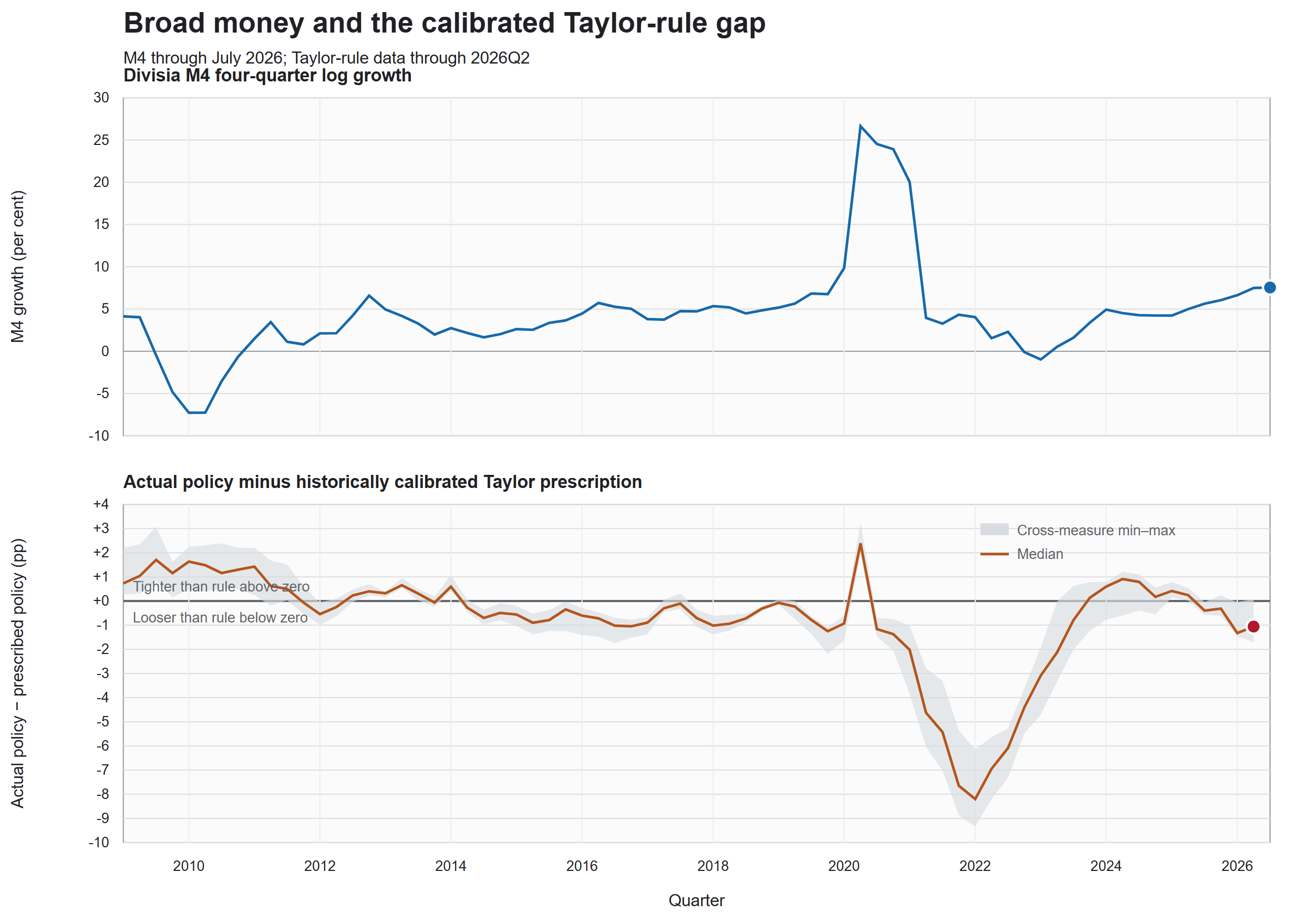
Figure4: Firming M4 growth consistent with policy not being overall restrictive
Source: Centre for Financial Stability; CE
The Fed appears to be converging on the view that policy has recently not proved to be restrictive in overall terms. The recent reacceleration in broad monetary aggregates supports that assessment: a federal-funds rate below (what may be a higher than assumed) neutral is evidently not preventing renewed monetary expansion. Unless an “unanticipated” shock comes to dominate financial, money and macro conditions (be that via market-driven bond yields to equities, events, or other), the current pace seems too high unless it moderates.
As discussed (here), Warsh, it seems, has talked himself into the need for a hike. The latest money data suggest the family fight won’t necessarily be fully settled for long, unless risk assets take a turn or bond yields continue to do the work.