FX Weekly Strategy: Asia, Sep 21-25
SNB, Riksbank and Norges Bank all meet, no change expected. SNB still remains the low-yielder and CHF on the backfoot
Geopolitics still a huge focal point, particular attention on Trump meetings this week. Oil back to test key break support. Some NOK profit-taking
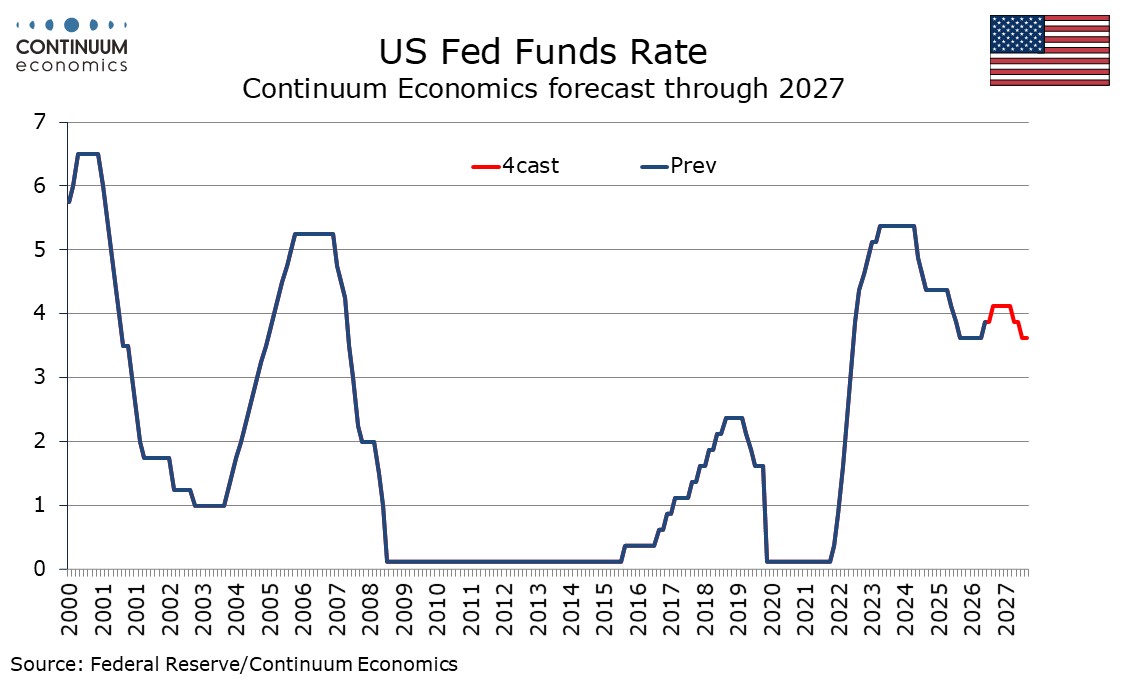
Dollar consolidating run up, overall structure still positive. Timing of next Fed move may be key
BoJ fluffs its lines, USD/JPY extends bounce, 158-160 thickening resistance. Japan holiday early week
The central bank cycle completes this week with SNB, Riksbank and Norges Bank, all expected to varying degrees to leaves rate unchanged, though the latter is priced as a 50-50 market call so a much more live result. Focus otherwise will be more on the forward guidance in light of current pressures. Also on the central bank watch front, we have a lot of Fed speakers this week, as well as a few from the BoE MPC, along with BoC, RBNZ and RBA.
Geopolitics otherwise remains prominent as ever with Trump due to discuss Iran and a possible roadmap with Middle East leaders on Tuesday, according to Axios, and then to meet China president Xi on Thursday, both having the potential for headline impact.
Prior to those, helped by some slight relent on supply worries (Saudi re-routing, inventory data), and by the test and hold of $110, oil has eased off its rebound highs but now testing pullback support. 102-100 area represents the upside break resistance turned support on the Brent front month and the key divider between the broader $80-100 and $100-120 trading zones.
Global PMIs dominate the data calendar with focus on increasing price pressures and ongoing current resilience (US Philly Fed for example hinted at both last week on the US side).
In terms of FX, as the dust settles on a big week, consolidation is kicking in overall near-term, but the bigger picture trend is still currently edging in the dollar’s favour. What’s turned into a tightening-contest has left the market having to juggle sequential, neutralising news flow, and judge comparative timings and pace. Perhaps the key issue in coming weeks will be whether the Fed goes back-to-back, putting the dollar in the driving seat, or respects the election and the conservative dot projections and waits until December, by which time it will be moving in step with the next expected ECB move (see here). The BoJ meanwhile has injected some doubt in the market’s mind that it is ready to move as fast with its fence-sitting commentary - references to wanting to judge 2% inflation stability by fiscal year end and see the spring wage round in particular sounding quite slow.
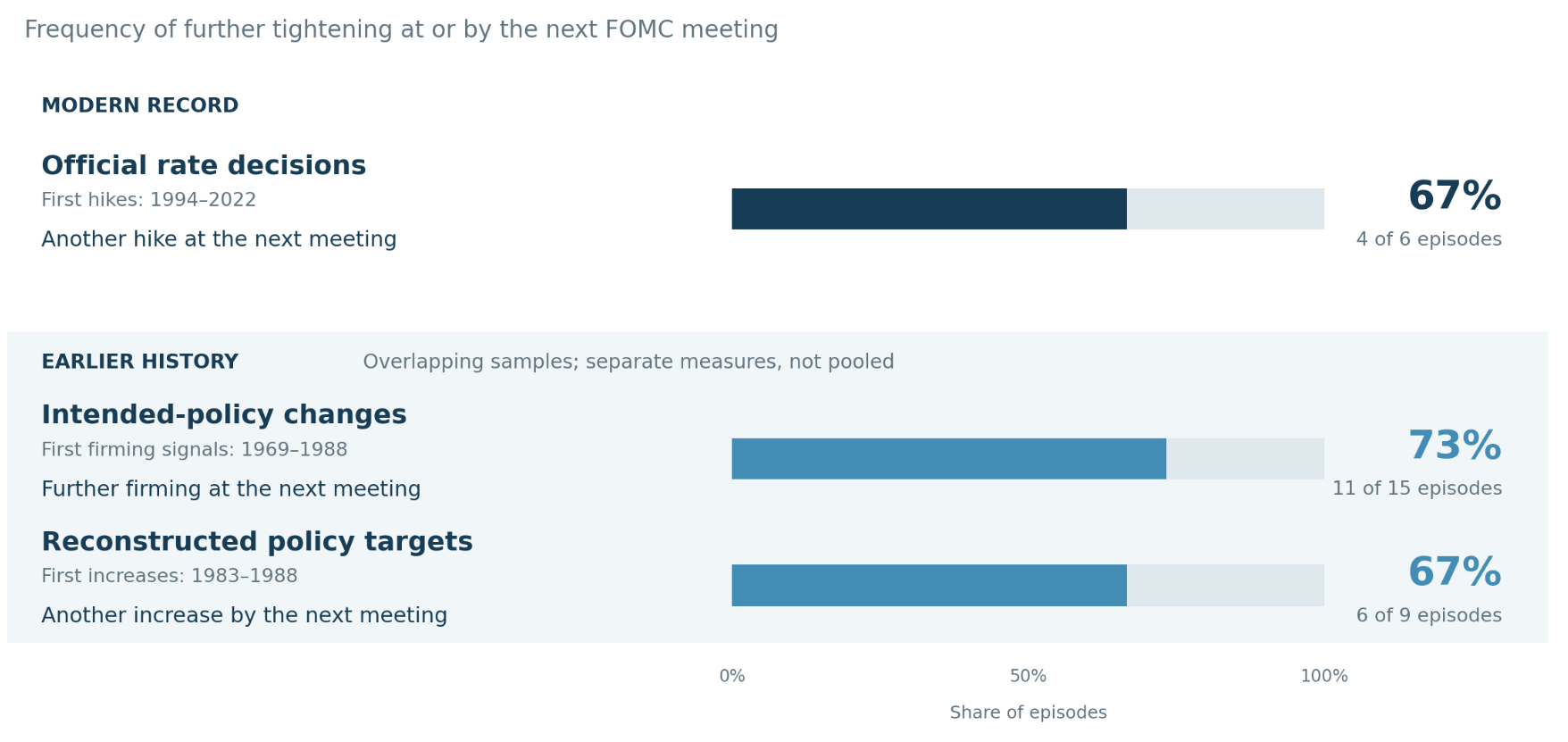
Some obvious resistance/support levels provide the current stop/go on any further immediate dollar follow through. On the DXY, 100.50/60, 61.8% retracement offers the nearby cap amid the recent overbought lift and needs to clear to run on to 101 and the tops. EUR/USD is also consolidating the zone on and through 1.15 after the oversold move.
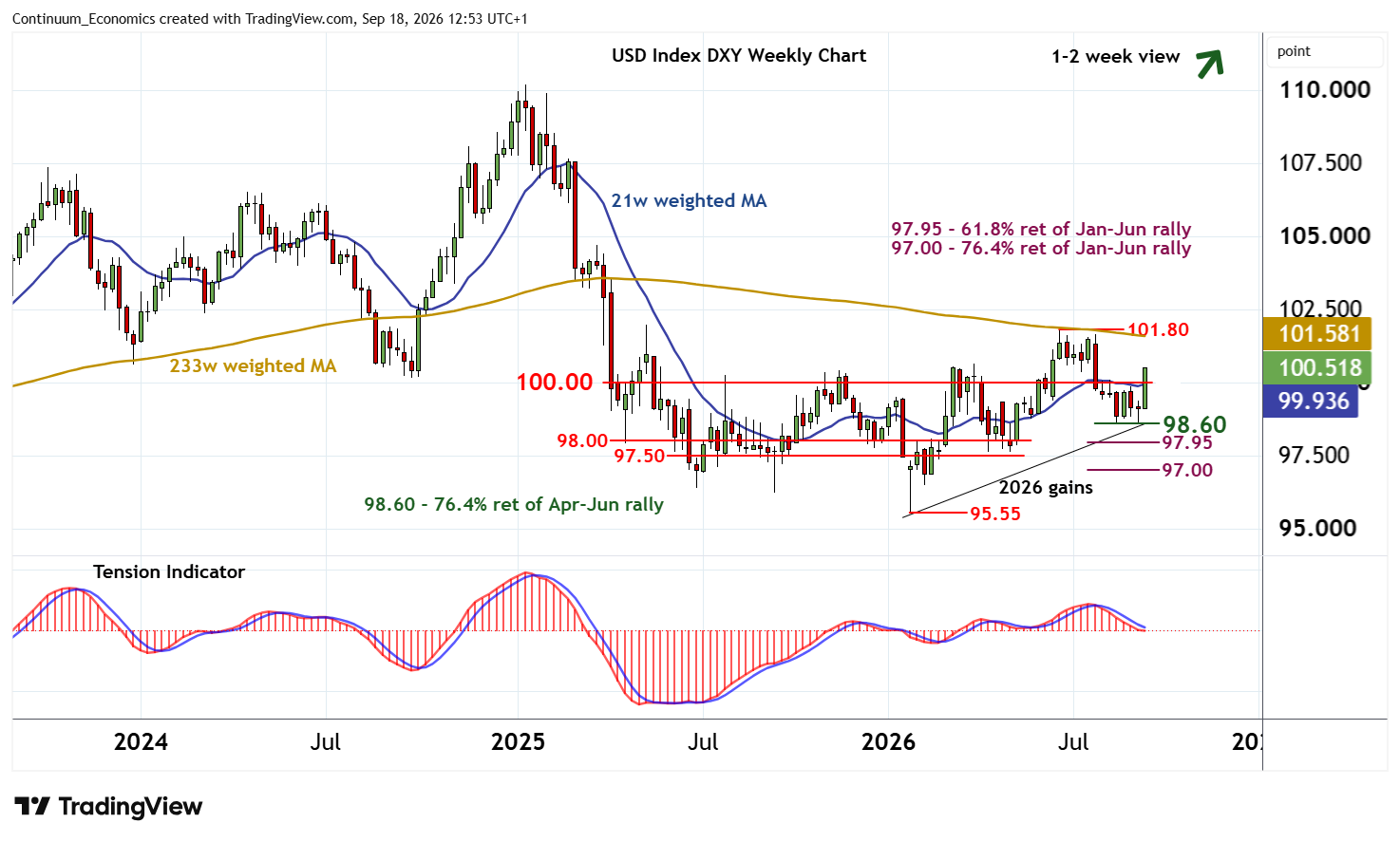
For sterling, the slight slippage out of the central bank flurry has been modest rather than gaining traction thus far (dollar cable move aside). EUR/GBP has been solidifying but still needs to clearing and closing through 0.86/8610 and really .20 to be showing any real trading traction. Part of the reason is that while the BoE has been holding the wait and see line, it has been doing so from a higher starting point, but more importantly the market has aggressively priced in matching tightening ahead, regardless of lack of current delivery. That may need to change if the comparative rates story is to make a bigger dent. The November Inflation Report meeting is the next key event. Here there are risks the BoE feels the need to hedge its bets, but a one-off precautionary move is still very far from what is in the current price, even in that event.
Bigger picture, even though the SNB has not been immune to the market’s general money market re-pricing spree of recent weeks, the SNB (as should be confirmed again this week) is the most firmly on hold in the immediate window and from its increasingly unique rock bottom levels.
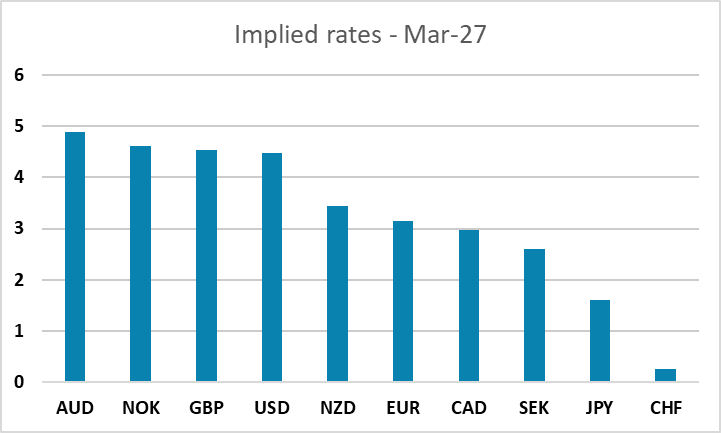
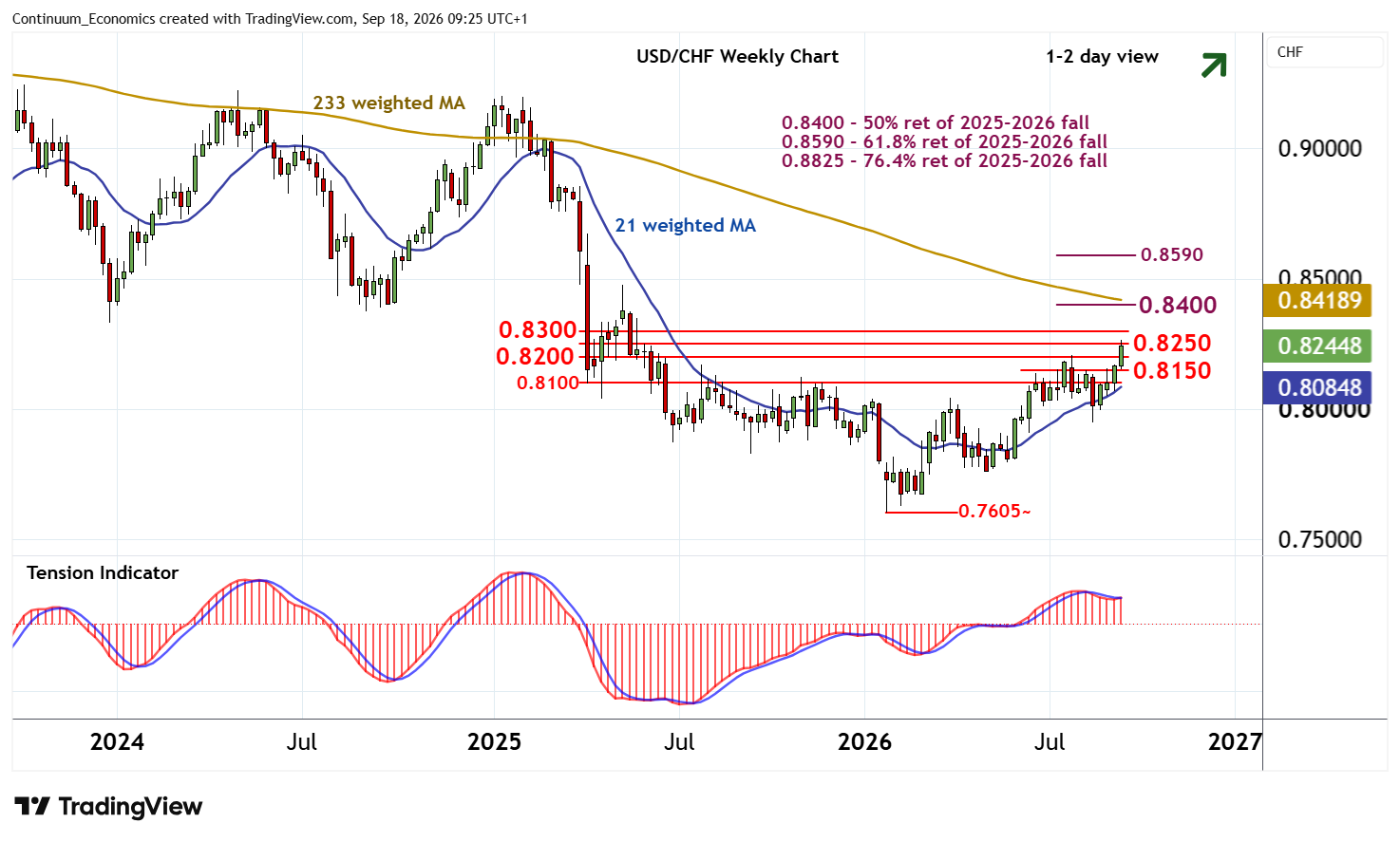
Volatility remain, at present at least, unrelentingly low despite all the risks, and so substitute short CHF positions remain in demand. Overbought given, USD/CHF still looks to heading up to 0.84 next as the next big higher level. EUR/CHF is a little closer to its next obvious 0.95/9520~ tops but trend up action remains in place. Trend-up in AUD/CHF also continues for 0.6+ too for now, at least while various risks remain out of the market focal point.
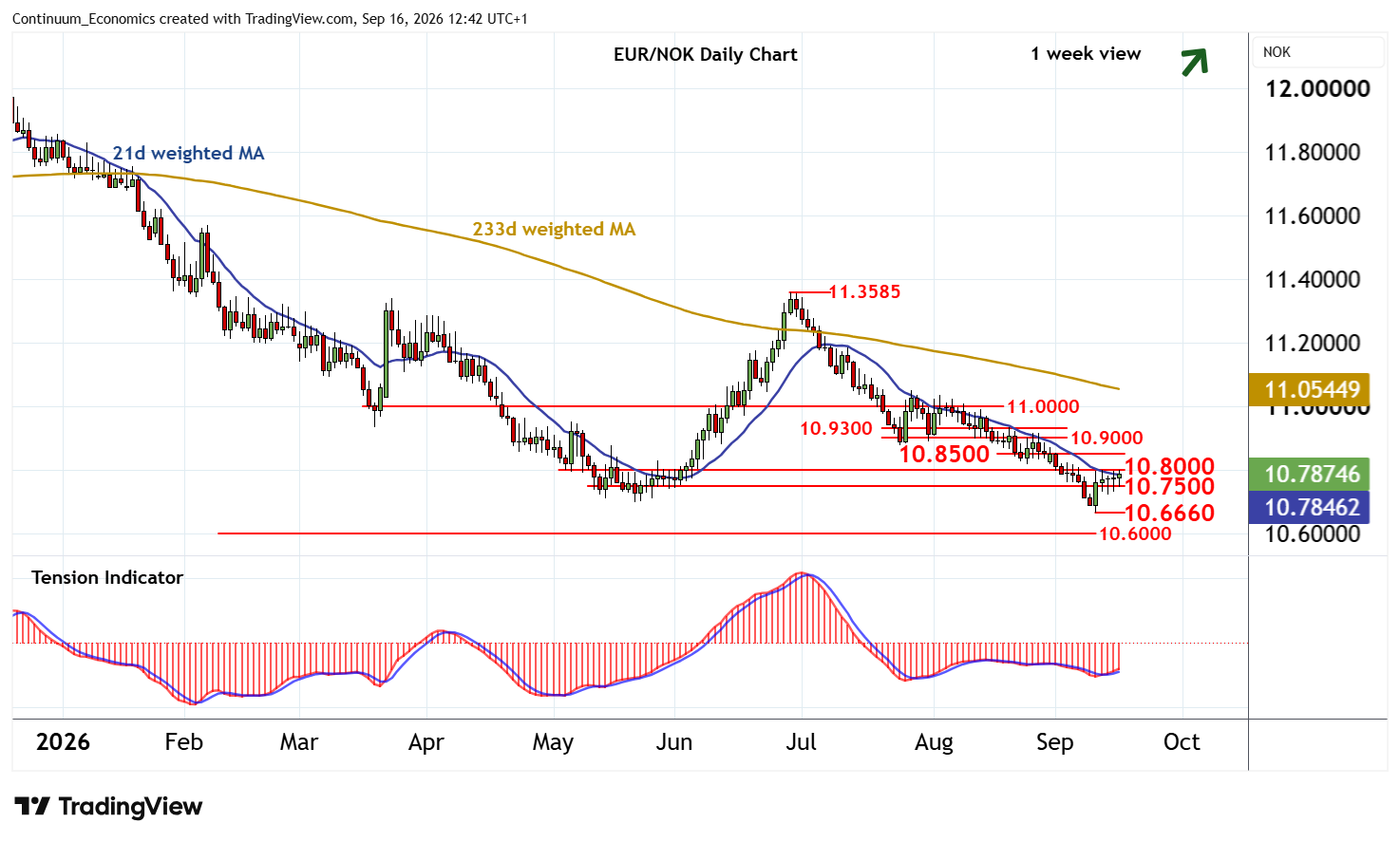
NOK meanwhile has been seeing some trimming from its extended thematic highs during the fresh geopolitical/energy escalation. We don’t expect the Norge Bank to hike this week, and already see policy as tight, so (global background dependent) the nearby skew may remain towards profit-taking on longs. 10.90-11~ would be approximate EUR/NOK retracement levels on the latest leg if this week’s highs and minor fib is cleared. Profit taking would extend if this week's Trump events do see any positive Middle East surprises.
USD/JPY may end up proving a game of cat and mouse, or at least two-way feedback. If the yen weakens notably further then that in turn (notwithstanding the BoJ saying it doesn’t target exchange rates) re-escalates the probability of the next BoJ hike coming sooner. Momentum is running to 158, but supply should re-appear in the 158-160 band to re-cap and the overall structure has not been undermined by the recovery yet. With Japan on holiday for much of the week, that could see exporter offers thin for a few days, although with MoF watching closely.
Data and events for the week ahead
USA
It is a quiet week for US data, which will leave attention on Fed speakers. Monday sees Goolsbee, and Tuesday Williams and Jefferson. Williams speaks again on Thursday, as will Hammack and Paulson. Williams and Hammack are due again on Friday.
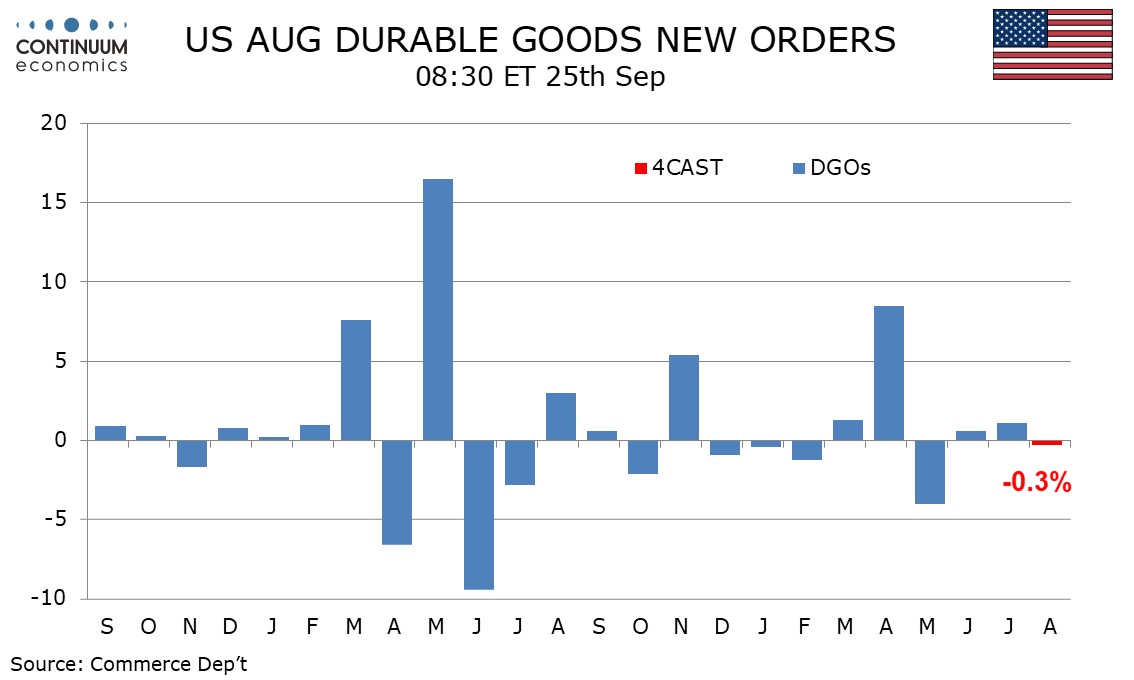
September S&P manufacturing and service PMIs are due on Wednesday. Thursday sees weekly initial claims. We also expect an increase in Q2’s current account deficit to $255bn from $226.8bn in Q1, and a 4.6% increase in August new home sales to 635k. On Friday we expect August durable goods orders to fall by 0.3%, but with a 0.7% increase ex transport. The final September Michigan CSI follows.
CANADA
Canada’s most significant release is July retail sales on Thursday. The preliminary estimate was for a 0.8% decline. BoJ’s Macklem is due to speak Tuesday.
Eurozone
Wednesday sees the release of flash S&P PMIs for September, covering the manufacturing and services sectors. The August release highlighted a solid increase in business activity driven by the manufacturing sector with services providing a supporting role. We expect September indices to pick up somewhat. There is also Eurozone bank lending figures for August on Friday.
UK
The flash S&P estimate for September is released on Wednesday with markets likely interested to see if cost pressures have intensified. Last month’s press release had mentioned that inflationary pressures had intensified during August with the rate of input cost inflation at UK private sector firms accelerating for the first time in four months. BOE Clare Lombardelli who voted to keep rates at 3.75% speaks on Thursday.
JP
Japan is on holiday Mon-Wed, and otherwise also just sees the PMI data.
AU
A variety of RBA speakers appear on Tuesday. Data focus is on the employment report with a return to trend employment growth expected after last months part-time driven drop.
NZ
RBNZ speakers include Breman (Tuesday) and Conway (Friday)