Brazil: Post-Election Fiscal Challenge
· Brazil needs better fiscal consolidation from 2028 onwards, which a new president will have to decide on after the October 2028 election. This includes better expenditure control, as mandatory spending currently comprises about 90 percent of federal primary expenditure. Any delinking of expenditure from the minimum wage growth is politically difficult however and actual multi-year fiscal tightening dependent on the scale of the new president election victory and crucially the associated results in Congress. Though Lula is leading currently, we still feel that the election outcome is fluid. Even so, real yields are attractive, with further BCB in the pipeline in the next 18 months down to 12% SELIC rate.
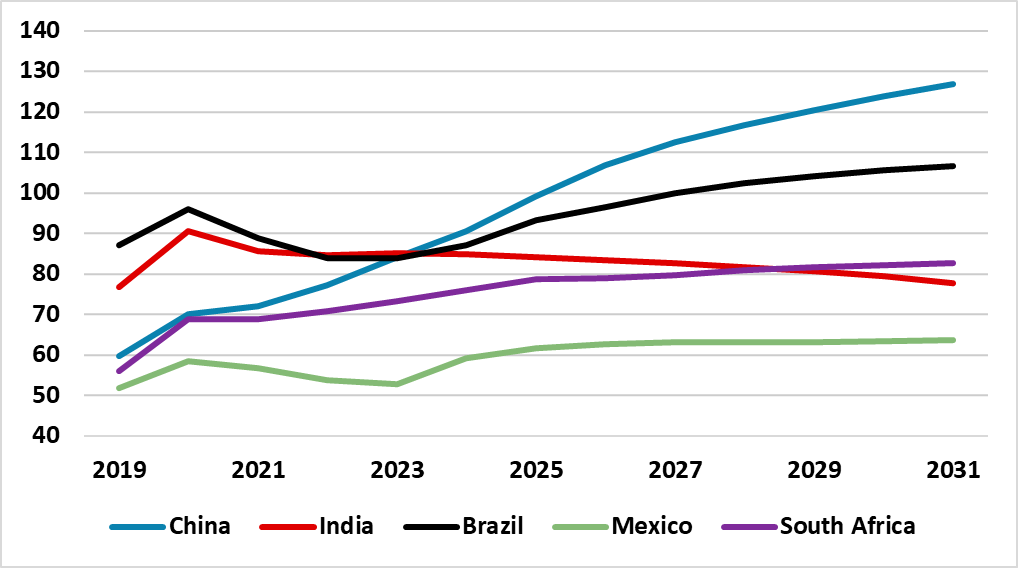
Figure 1: Big EM Gross General Government Debt/GDP (%)
Source: IMF Fiscal Monitor/Continuum Economics
Brazil's Treasury on June 30 provided a remainder that the fiscal targets will become unfeasible from 2028 without new fiscal tightening, as rising mandatory spending outpaces efforts to contain costs even with a maximum freeze on discretionary outlays. This is the challenge that a new president will face after October presidential election. Lula has pulled ahead in recent polls, as Flavio Bolsonaro has been hurt by a friend being involved in the Banco Master scandal. However, given normal pre-election volatility, we still view the presidential race is too close to call at this stage. Additionally, will all the Chamber of Deputies seats seeking re-election, and two-thirds of the Senate, a new president will need support in Congress to achieve fiscal tightening. The market bias for now remains that fiscal tightening is more likely under Bolsonaro than Lula.
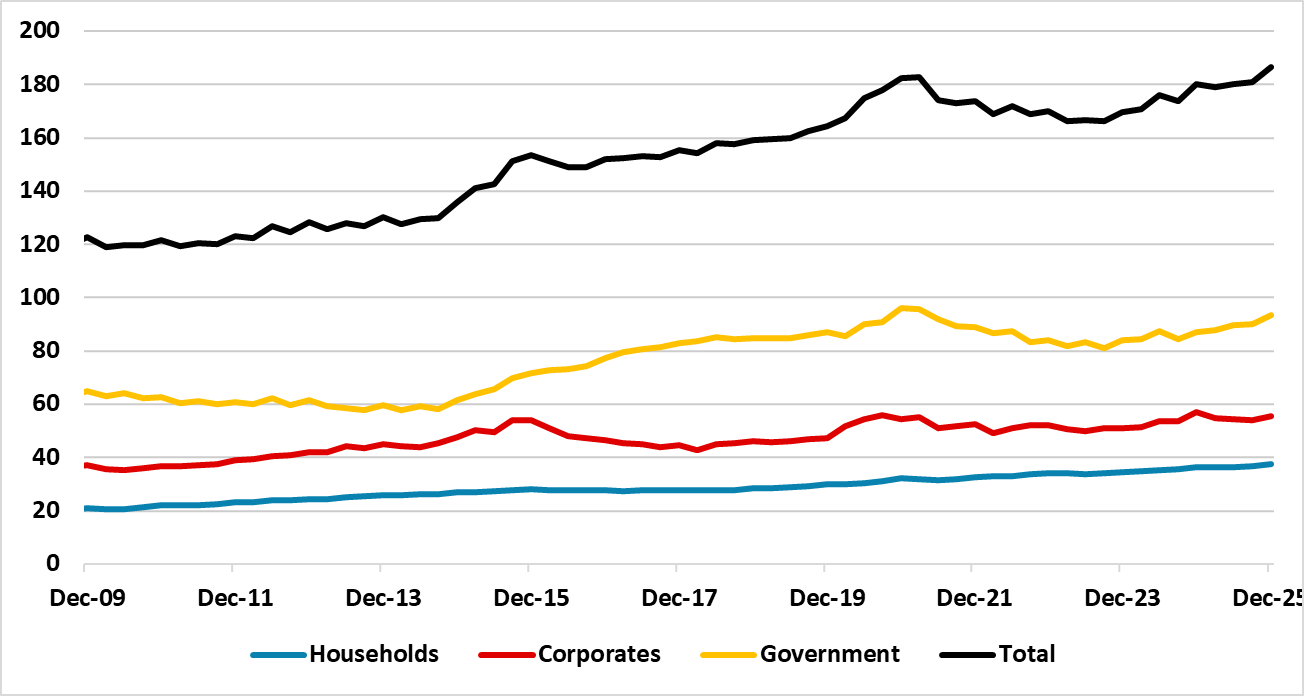
The general government debt/GDP trajectory (Figure 1) does not just impact government debt, but also corporate and household debt. Medium to long dated government bond yields are a floor for most other borrowers, with concerns over the fiscal trajectory adding a real yield premium to long-dated Brazilian government bonds. Additionally, BCB remain concerned about fiscal slippage as well as hitting the inflation target, as it could prompt fiscal dominance in the future and higher inflation. This means that nominal and real rates are high for all borrowers and this has restrained corporate and household debt/GDP due to high debt servicing costs (Figure 2). Even so, the BCB has an overly restrictive policy and this should bring policy rates and yields down through H2 2026 and throughout 2027. This can provide some relief, but credible multi-year fiscal tightening would also help reduce real yields.
Figure 2: Total Non-Financial Sector Debt/GDP (%)
Source: BIS
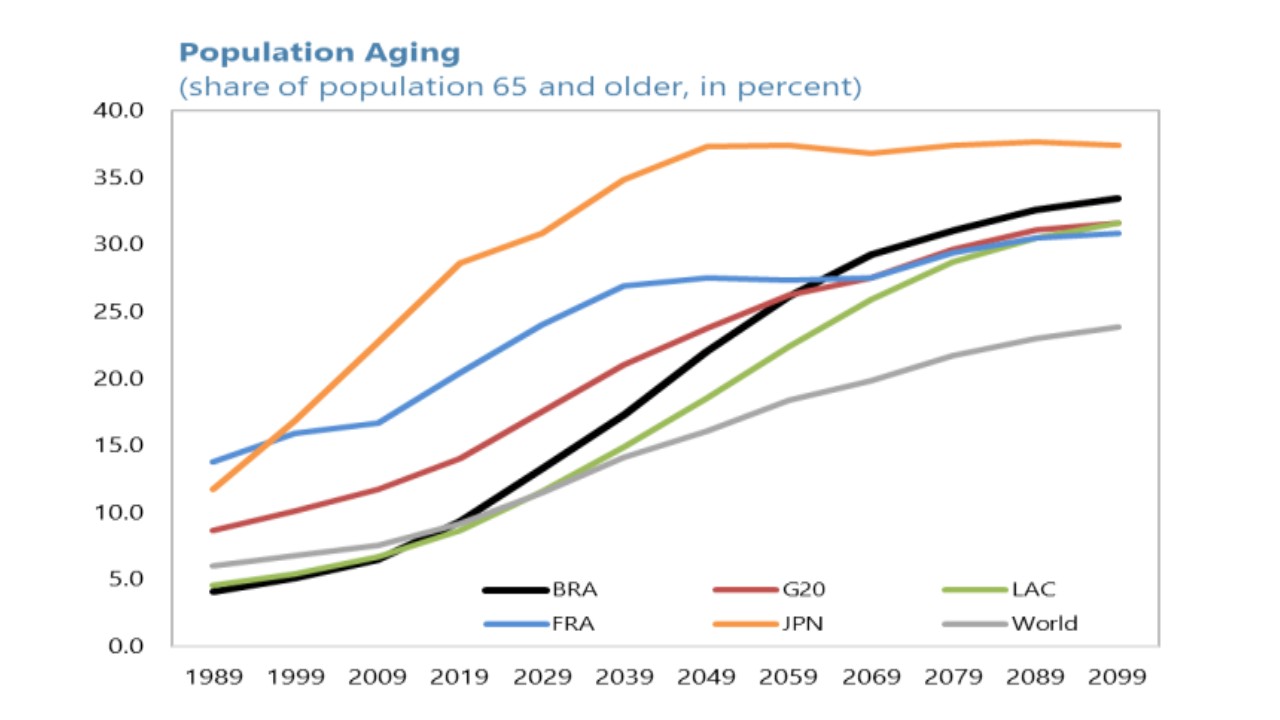
The IMF had some recommendations in the July 2025 article IV to increase the size of the primary surplus to stabilise the government debt trajectory. Firstly, further curtailing or phasing out 1-2 percent of GDP in inefficient and expensive tax expenditures. Secondly, better expenditure control, as mandatory spending currently comprises about 90 percent of federal primary expenditure. Expenditure reform options could include: de-linking growth of pension and social assistance benefits from minimum wage growth; further steps to contain real minimum wage growth building on the 2024 spending package; capping pension spending growth (Brazil is aging in line with some DM’s Figure 3); and reviewing the constitutional floors on health and education general government spending. The July 2026 initial press statement from the IMF has not materially changed this need for fiscal consolidation (here). All of the expenditure measures are politically difficult and actual multi-year fiscal tightening depend on the scale of the new president election victory and the associated results in Congress.
Figure 3: Brazil Aging Like DM Countries (%)
Source: Brazil Article IV 2025