This week's five highlights
U.S.-Iran Exchanging Fire Again
Bank of Canada Now expecting a December tightening
Another 25bps for RBNZ
U.S. July Trade Deficit surge restrained by Service revisions
USD/JPY Consolidating test of 155.22/00 support
Another vibrant weekas we see U.S. struck two Iranian launchers near Strait of Hormuz on Larak Island, after another tanker has been attacked by Iran over the weekend. U.S. and Iran are back at it to point fingers. Over the weekend, another tanker was hit with sea mines and seems to have triggered the U.S. to launch fresh strikes towards Iranian military site. Such dejavu seems be going over and over again for the past quarter. Major equity indexes are definitely not a fan.
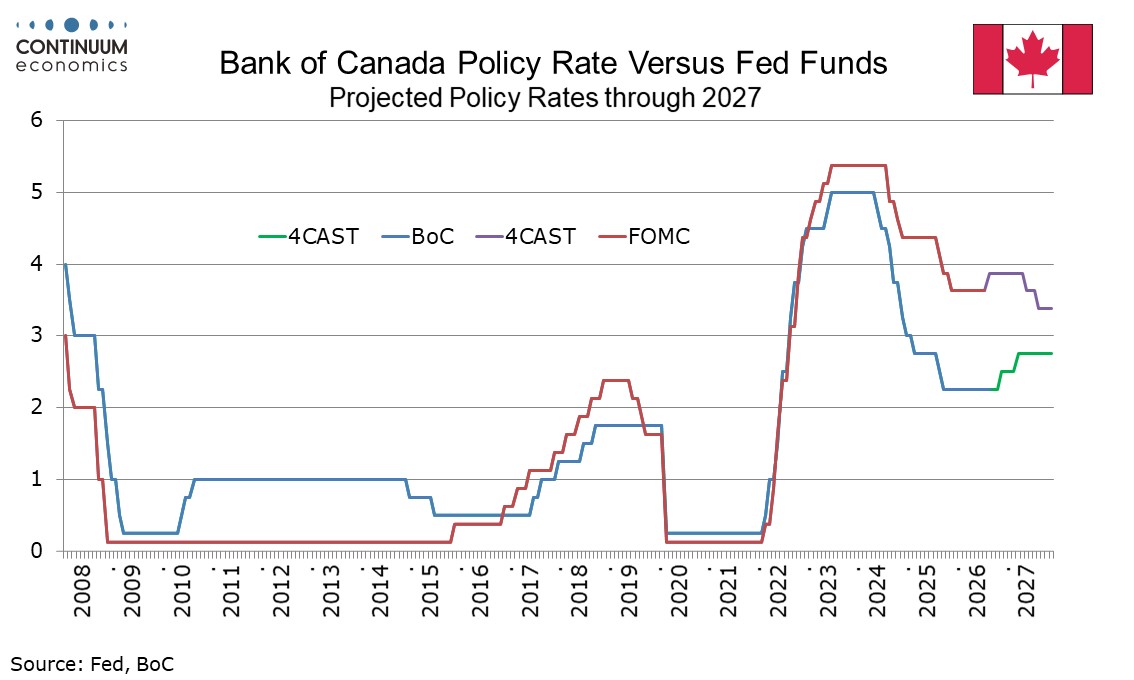
The Bank of Canada left rates unchanged at 2.25% as expected and noted risks on both sides, though the press conference made it clear that inflationary risks led by the Middle East are outweighing those on growth generated by recent US tariffs. We now expect the Bank of Canada to raise rates by 25bps in December, though after that we expect the BoC to be cautious, with just one 25bps move in 2027, In Q2. However, uncertainty is high, and the BoC is willing to deliver multiple hikes if necessary.
In his press conference opening statement, Governor Macklem noted that market expectations for oil prices have shifted up since July. So far, the BoC has not seen any sign of oil spreading into prices of other goods and services but the longer oil remains elevated the greater is the risk of this happening. Upside risks to the inflation forecasts are seen as having have increased. New US tariffs and Canadian retaliation are also seen as having potential to add to costs and over time prices.
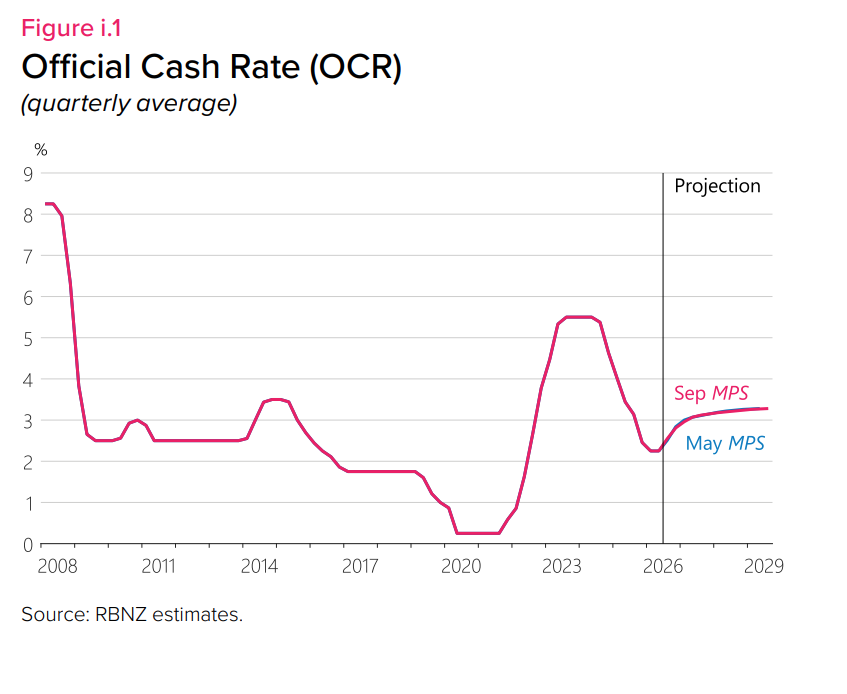
The RBNZ hike rates by 25bps to 2.75% in the September meeting unanimously. It is widely expected as the overall inflationary pressure is rising and headline figure has long overshoot target range. However, the lack of changes in inflation expectation has disappointed hawks because it indicates no hawkish tilt in the future OCR path.
Some key takeaways:
No Change to Inflation Expectation: The RBNZ still see headline inflation to return with the target range in mid 2027 before reaching 2% in 2028. It is disappointing hawks for there will not be extra hikes. The RBNZ believes current inflationary spike is mostly transitory from the Middle East disruption, soft domestic demand will only pick up slowly.
Flexible Forward Guidance: The forward guidance "Future policy will depend on the Committee’s judgement of the balance of risks to medium-term inflation." indicates the RBNZs wait and see approach. Both towards tightening effect and Middle East development. It also shows there are in no rush to hike.
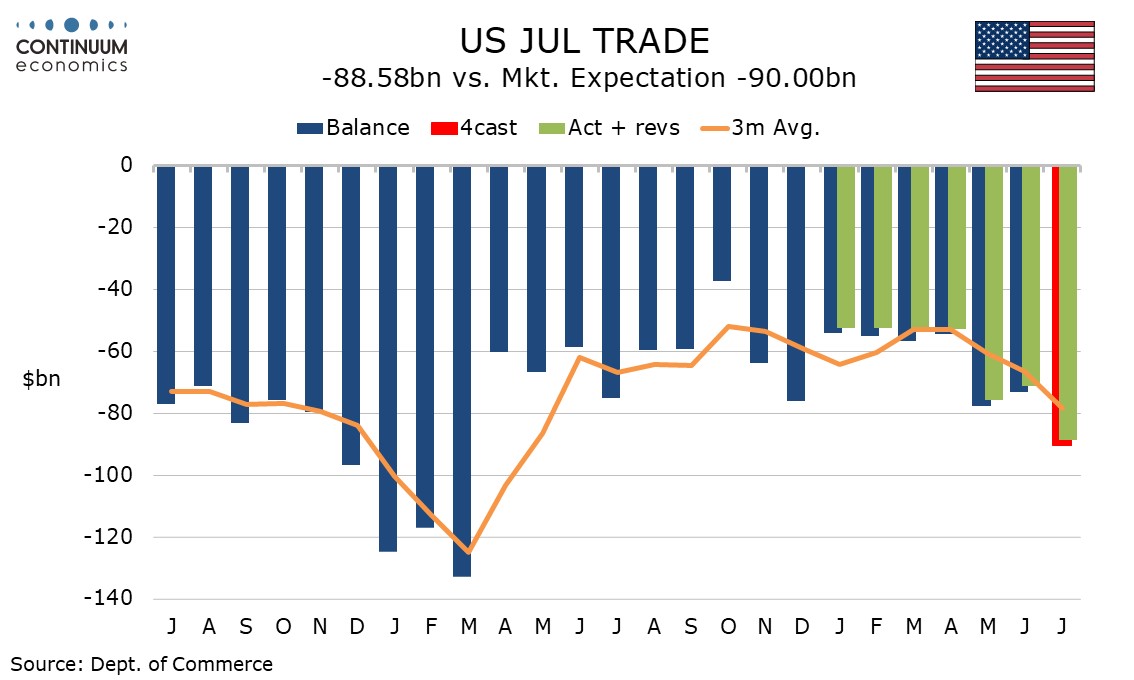
July’s trade deficit of $88.6bn is up from $71.2bn in June and the widest since a record pre-tariff deficit if $133.0bn in March 2025, though not quite as wide as expectations generated by advance goods data. Initial claims at 206k from 204k and continued claims at 1.779m from 1.771m are both marginally higher but still low and suggest the labor market is not changing much.
In the trade breakdown goods data is consistent with advance data with goods down by 3.0% versus a 2.9% fall in the advance report and imports up by 3.7% as was the case in advance data.
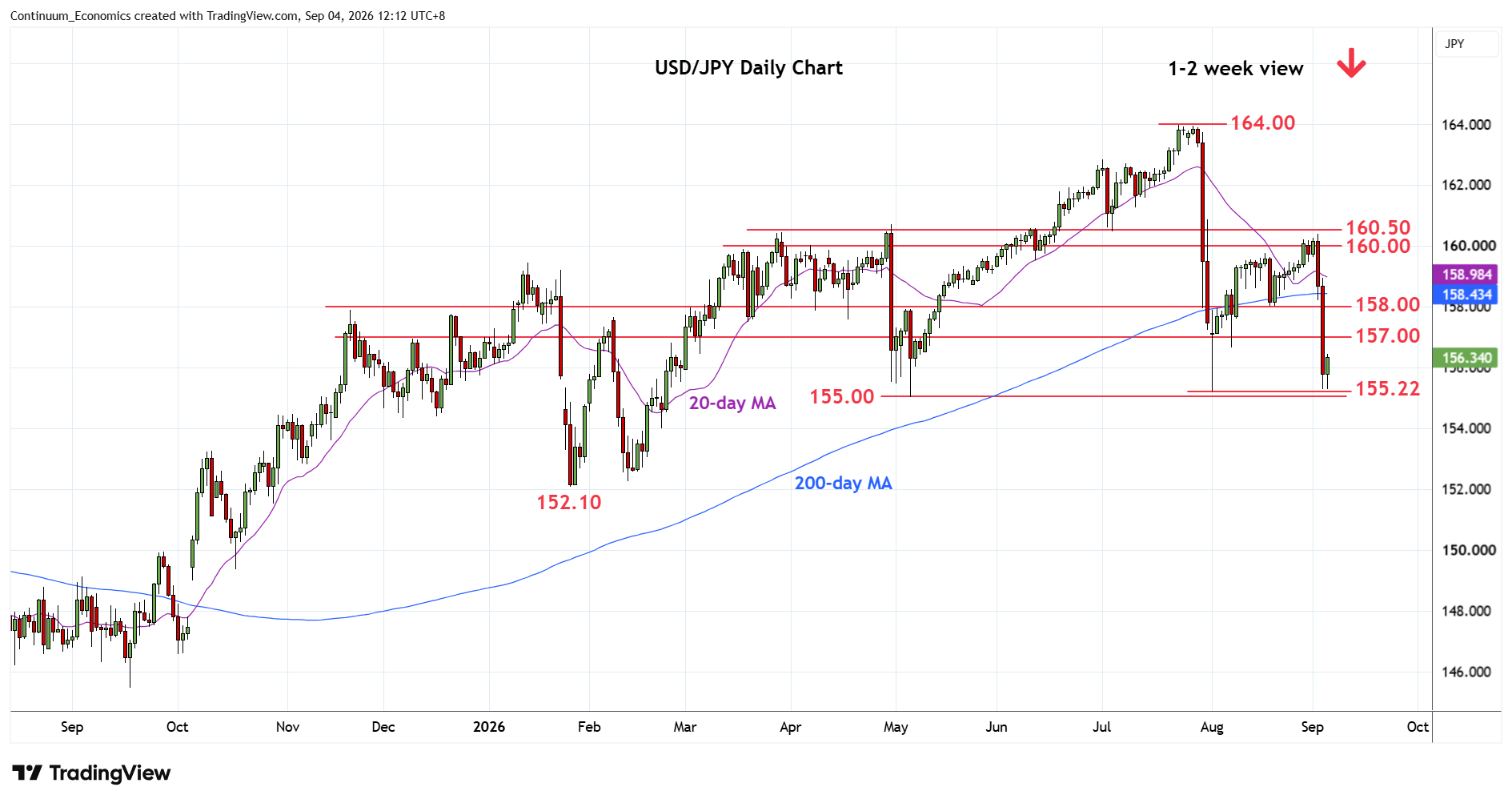
Gains from the 155.22 low reached strong resistance at the 160.00/160.50 area before giving way to sharp selling pressure to retrace all of the August gains. Prices has since turned up from the 155.22/155.00 support to consolidate rejection from the 160.40 high. However, bearish daily and weekly studies highlights risk for further losses ahead to retrace gains from the April 2025 year low. Nearby will see room to 154.85, 38.2% Fibonacci retracement. Lower still, will turn focus to support at the 154.00 congestion but potential will be for extension to strong support at the 152.10/00, January current year low and 2022/2023 year highs.